


 Russian Missile and Drone Attack on Kyiv Kills Two, Damages Maternity Hospital
  What ‘Taiwan Independence’ Means as Xi Presses Trump on US Policy
  Trump, Xi Visit US National Archives After White House Summit
  US Backs Musk in Fight Against EU’s €120 Million X Fine
  Trump Asks Supreme Court to Restore Third-Country Deportations
  Kremlin Says No Decision Yet on Putin-Trump December Summit
  Xi Calls for Deeper U.S.-China AI Cooperation in Trump Talks
  NATO Boosts Intelligence Sharing Amid Russia Hybrid Threats
  Abbas Reaffirms November 28 Palestinian Elections
  Ukrainian Drone Attacks Hit Russian Regions, Injuring at Least 12
  North Korea Rejects Nuclear Test Warning, Calls Nuclear Status Irreversible
  North Korea Warns South Korea Over US-Led Defense Role
  Netanyahu Takes Aim at Mamdani as Israel Election Nears
  Yemen Violence Displaces 130,000 as Civilian Toll Rises
  Pezeshkian Says US Must Choose When Iran War Ends
  Mexico-US Trade Talks Delayed to October as Tariff Negotiations Continue
  Najib Razak Seeks Stay of 15-Year 1MDB Prison Sentence


 Add as a preferred source on Google
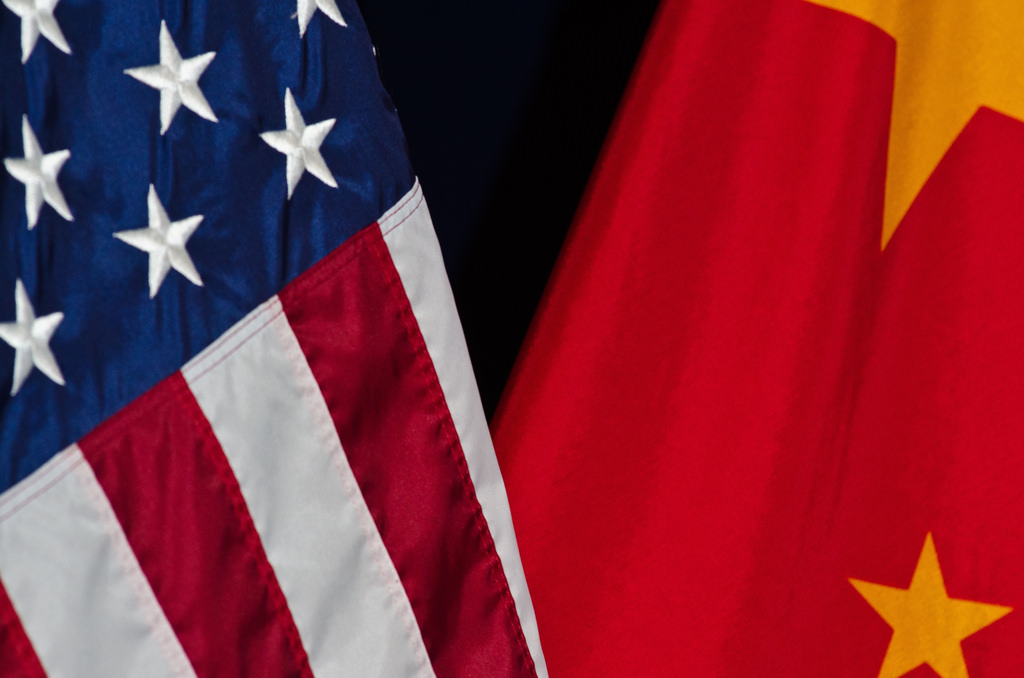
China and the United States are intensifying separate diplomatic efforts to revive a ceasefire between Thailand and Cambodia, as Southeast Asian leaders prepare for a crucial ASEAN meeting aimed at addressing the worst fighting between the two neighbors in recent decades. The renewed hostilities, which erupted again last week, have already claimed around 60 lives and forced more than 500,000 people to flee their homes, raising serious regional security concerns.
The violence shattered a fragile ceasefire that had been brokered in late July by U.S. President Donald Trump. In response, U.S. Secretary of State Marco Rubio held talks with Thai Foreign Minister Sihasak Phuangketkeow, reiterating Washington’s deep concern over the escalating conflict and urging Thailand to de-escalate and return to the ceasefire framework, according to the U.S. State Department. Thailand later confirmed the call, noting that it shared its position and plans, including participation in the upcoming ASEAN meeting.
China has also stepped up its mediation role. Chinese Foreign Minister Wang Yi spoke separately with officials from Thailand and Cambodia, saying both sides expressed a desire to ease tensions and achieve a ceasefire. China’s Foreign Ministry warned that the intensity of the current clashes far exceeds previous incidents and risks undermining ASEAN unity. Beijing also revealed that a special envoy had visited both countries in an attempt to restore peace.
Cambodia has yet to publicly comment on the overtures from Washington and Beijing. However, Cambodian Foreign Minister Prak Sokhonn is expected to attend the ASEAN meeting in Kuala Lumpur, marking the first face-to-face engagement between the two governments since fighting resumed on December 8.
ASEAN chair and Malaysian Prime Minister Anwar Ibrahim said he was cautiously optimistic, noting that both Thai and Cambodian leaders appear eager to reach an amicable solution. Despite this, fighting continued along the disputed 817-kilometer border, with both sides accusing each other of provoking the breakdown of the July truce.
Thailand insists that any resolution must begin with a clear cessation of hostilities by Cambodia, while Phnom Penh maintains it is acting in self-defense. As diplomatic pressure mounts from major powers, the upcoming ASEAN talks are seen as a critical opportunity to prevent further escalation and stabilize the Thailand–Cambodia border conflict.







