


 US Senate Rejects Iran War Powers Resolution in 50-49 Vote
  North Korea Warns South Korea Over US-Led Defense Role
  Abbas Reaffirms November 28 Palestinian Elections
  Netanyahu Defends Israel at UN as Delegates Stage Walkout
  Netanyahu’s Brief US Trip Highlights Strains With Trump
  Saudi Arabia, Turkey and Pakistan Plan Urgent Defence Talks Over Houthi Attacks
  Najib Razak Seeks Stay of 15-Year 1MDB Prison Sentence
  Kremlin Says No Decision Yet on Putin-Trump December Summit
  Ghana Says Western Support Growing for Slave Trade Reparations
  North Korea Rejects Nuclear Test Warning, Calls Nuclear Status Irreversible
  Judge Orders Trump to Restore White House Access for CNN, MS NOW and Politico
  NATO Boosts Intelligence Sharing Amid Russia Hybrid Threats
  Yemen Violence Displaces 130,000 as Civilian Toll Rises
  Netanyahu Takes Aim at Mamdani as Israel Election Nears
  Mexico-US Trade Talks Delayed to October as Tariff Negotiations Continue
  Xi Calls for Deeper U.S.-China AI Cooperation in Trump Talks
  Trump, Xi Focus on Trade and AI at White House Summit


 Add as a preferred source on Google
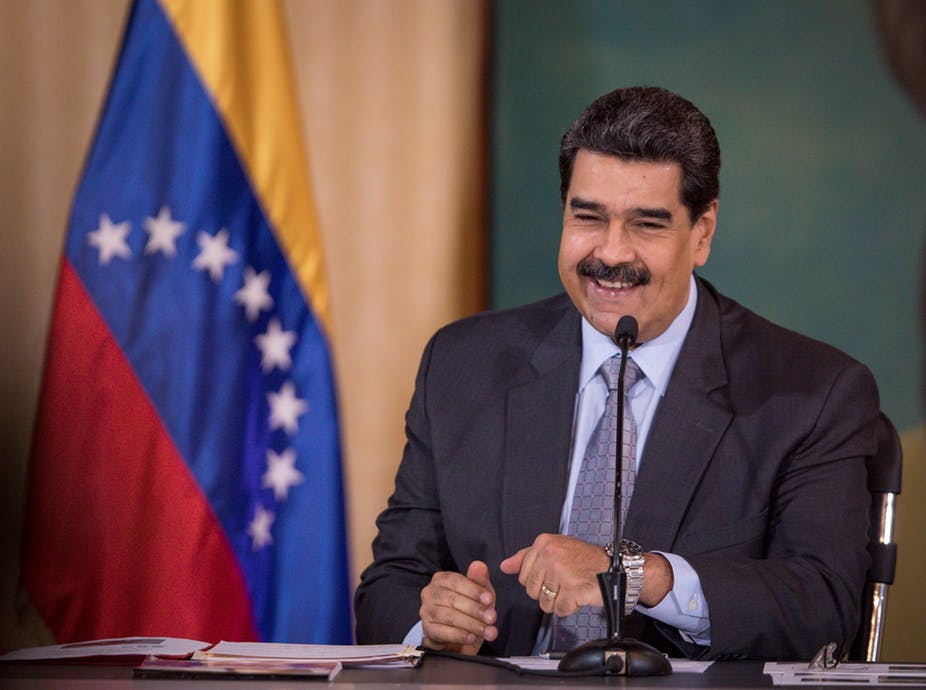
The United States is preparing to enter a new phase of operations targeting Venezuela, according to several U.S. officials who spoke anonymously due to the sensitivity of the situation. While the exact timing and scale of the planned actions remain unclear, the Trump administration is reportedly escalating efforts to pressure President Nicolás Maduro, deepening an already tense standoff between Washington and Caracas.
Officials indicated that covert operations would likely serve as the opening step in any expanded campaign. The U.S. has increased its military presence in the Caribbean in recent months, signaling growing concern over what the administration describes as Maduro’s role in the flow of illegal drugs into the country—an accusation the Venezuelan leader denies.
The White House has not ruled out any options, and senior officials have emphasized that President Trump is prepared to use “every element of American power” to combat narcotics trafficking. Among the potential strategies under consideration is the possibility of attempting to remove Maduro from power, reinforcing longstanding claims by Caracas that Washington aims to topple the government. Maduro has vowed that both the Venezuelan military and civilians would resist any such effort.
Tensions escalated further after the U.S. Federal Aviation Administration issued a warning to airlines about hazardous conditions over Venezuelan airspace, prompting several carriers to cancel flights. Washington is also expected to designate the Cartel de los Soles—a group it alleges Maduro leads—as a foreign terrorist organization, potentially unlocking broader operational authorities.
The U.S. military buildup includes the arrival of the aircraft carrier Gerald R. Ford and its strike group, joining other naval forces conducting counter-narcotics missions that critics argue exceed legal bounds. Human rights groups and international allies have raised concerns about U.S. strikes on suspected drug vessels, which have resulted in dozens of deaths.
As Venezuelan forces struggle with shortages and deteriorating equipment, Maduro’s government has reportedly explored a “prolonged resistance” strategy, preparing for potential guerrilla-style defense in the event of a U.S. invasion.
This evolving geopolitical confrontation continues to heighten uncertainty across the region as both nations brace for possible escalation.







