


 Netanyahu’s Brief US Trip Highlights Strains With Trump
  Kremlin Says No Decision Yet on Putin-Trump December Summit
  Trump, Xi Visit US National Archives After White House Summit
  Mexico-US Trade Talks Delayed to October as Tariff Negotiations Continue
  Ukrainian Drone Attacks Hit Russian Regions, Injuring at Least 12
  Xi Calls for Deeper U.S.-China AI Cooperation in Trump Talks
  South Korea, US Discuss Warship Building Cooperation
  France Defends Netanyahu Airspace Clearance Despite ICC Warrant
  North Korea Warns South Korea Over US-Led Defense Role
  Taiwan Thanks US for Support Ahead of Trump-Xi Summit
  Ghana Says Western Support Growing for Slave Trade Reparations
  US Backs Musk in Fight Against EU’s €120 Million X Fine
  Netanyahu Takes Aim at Mamdani as Israel Election Nears
  Russian Missile and Drone Attack on Kyiv Kills Two, Damages Maternity Hospital
  What ‘Taiwan Independence’ Means as Xi Presses Trump on US Policy
  Trump Asks Supreme Court to Restore Third-Country Deportations
  Yemen Violence Displaces 130,000 as Civilian Toll Rises


 Add as a preferred source on Google
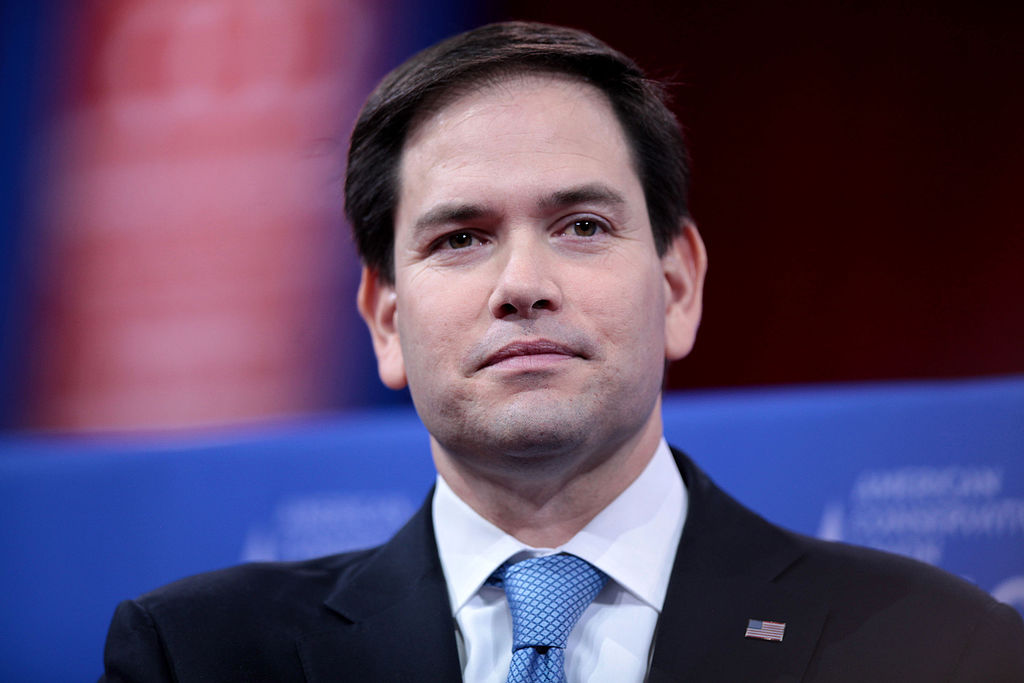
U.S. Secretary of State Marco Rubio is set to hold talks with his Indian and Pakistani counterparts in an effort to prevent further escalation following a deadly militant attack in India-administered Kashmir. The State Department confirmed on Tuesday that Washington is engaging with both nuclear-armed nations at multiple levels and urging a "responsible solution."
The April 22 attack in Kashmir, which left 26 dead, has sparked renewed tensions between the two rivals. India blamed Pakistan for orchestrating the assault, while Islamabad denied involvement and called for an independent investigation. In response, India suspended the Indus Waters Treaty, a key water-sharing agreement, and Pakistan retaliated by closing its airspace to Indian airlines. Cross-border firing has also resumed.
The U.S. publicly backed India following the attack, with President Donald Trump and Vice President JD Vance condemning the violence. However, Washington has refrained from directly criticizing Pakistan, signaling a delicate diplomatic balancing act.
Rubio is expected to speak with the foreign ministers of both India and Pakistan by Wednesday and has encouraged other global leaders to help defuse the situation. The U.S. views India as a strategic partner in countering China’s regional influence, while Pakistan remains a key, albeit less central, ally post-Afghanistan withdrawal.
Kashmir, a Muslim-majority region, remains a flashpoint between Hindu-majority India and Islamic Pakistan, both of which claim it in full and have fought multiple wars over its control. Indian Prime Minister Narendra Modi has vowed retaliation, while Pakistan’s defense minister warned of a potential Indian military incursion.
As tensions rise, the U.S. is positioning itself as a mediator to avoid conflict between two of Asia’s most volatile neighbors, both armed with nuclear weapons.







