


 France Defends Netanyahu Airspace Clearance Despite ICC Warrant
  FDA Names Permanent Drug and Biologics Center Chiefs
  Kremlin Says No Decision Yet on Putin-Trump December Summit
  Yemen Violence Displaces 130,000 as Civilian Toll Rises
  ICE Agent Arrested in Minneapolis Over Venezuelan Man Shooting
  Xi Calls for Deeper U.S.-China AI Cooperation in Trump Talks
  Trump, Xi Focus on Trade and AI at White House Summit
  What ‘Taiwan Independence’ Means as Xi Presses Trump on US Policy
  Netanyahu Defends Israel at UN as Delegates Stage Walkout
  Canada Unveils Bill to Fast-Track Major Resource Projects
  Trump Administration Removes Confederate Memorial Criticism From Arlington Website
  Judge Orders Trump to Restore White House Access for CNN, MS NOW and Politico
  US Backs Musk in Fight Against EU’s €120 Million X Fine
  NATO Boosts Intelligence Sharing Amid Russia Hybrid Threats


 Add as a preferred source on Google
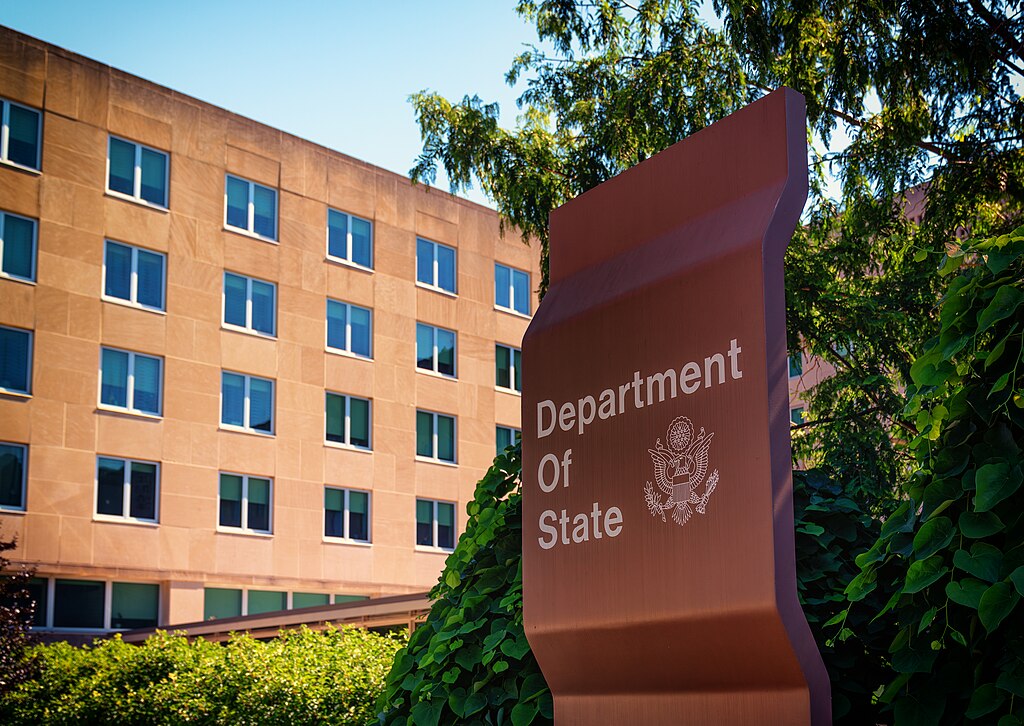
The U.S. State Department is assigning overseas disaster response duties to its Bureau of Population, Refugees and Migration (PRM), a move drawing strong criticism from experts who say the office lacks the experience and resources to manage global crises. This shift comes as the Trump administration continues to dismantle the U.S. Agency for International Development (USAID), traditionally responsible for disaster relief worldwide.
According to an internal diplomatic cable reviewed by Reuters, PRM will now lead responses to international disasters, replacing USAID’s seasoned Bureau of Humanitarian Assistance and its Disaster Assistance Response Teams (DARTs). Under the new plan, U.S. embassies must seek PRM approval to issue up to $100,000 for initial disaster relief efforts. Further aid will depend on PRM’s assessments in coordination with other State Department offices.
Experts are alarmed. Only 20 of the 525 USAID disaster experts are being transitioned to PRM, raising concerns about the bureau’s capacity. Critics like Jeremy Konyndyk, former USAID disaster response director, argue that PRM lacks operational capability and disaster response knowhow. “It’s a joke,” he said, warning the U.S. will no longer be able to deploy top-tier DART teams, especially with the Caribbean hurricane season approaching.
Secretary of State Marco Rubio defended the administration’s response to the March 25 Myanmar earthquake, blaming logistical challenges and the local military regime's hostility toward the U.S. However, aid experts fear that the restructured system—deemed a “Potemkin DART” by critics—will undermine America’s ability to respond swiftly to future global emergencies.
With thousands of USAID contractors fired and billions in aid programs slashed, the reassignment to PRM signals a dramatic retreat from America’s traditional leadership in humanitarian crisis response.







