


 US Reaffirms Taiwan Arms Sales Policy Despite Trump’s Comments on China
  US Senate Approves War Powers Resolution Urging Trump to End Iran Military Action
  US Seeks Gulf Support for Iran Peace Deal Amid Regional Tensions
  Texas Approves Bible-Inclusive Reading Lists for Public Schools Starting in 2030
  White House Seeks $1.4 Billion to Combat Growing Ebola Outbreak
  Japan Signals Preference for Low Interest Rates as BOJ Policy Debate Intensifies
  US Approves $250 Million Fighter Jet Training Sale to Australia
  Israel Heritage Bill Sparks Annexation Concerns in West Bank
  US Seizes Nearly 400 Illegal World Cup Streaming Domains in Global Anti-Piracy Crackdown
  Johns Hopkins University Lays Off 110 Employees as Federal Research Funding Declines
  US Strikes Iran After Strait of Hormuz Attack as Ceasefire Tensions Escalate
  Trump Requests $11 Billion More in Farm Aid as Rising Costs Pressure U.S. Farmers
  NATO Strengthens Arctic Defense as Russia Expands Military Presence
  U.S. Reviewing Potential F-35 Fighter Jet Sale to Turkey Amid S-400 Dispute
  Young Brazilian Voters Shift Right Ahead of 2026 Election
  Trump Administration Rejects Claims of Rift Between JD Vance and Marco Rubio on Iran Policy


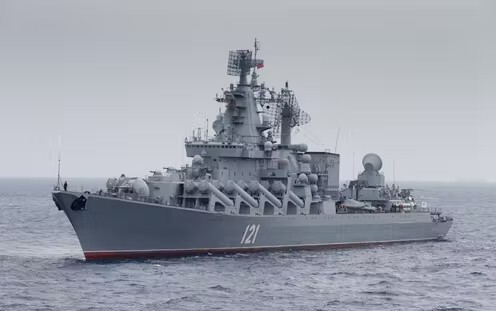
U.S. and Russian officials concluded high-stakes talks in Riyadh on Monday, aiming for a maritime ceasefire between Ukraine and Russia to ensure safe navigation in the Black Sea. The discussions, attended by Ukrainian representatives on the sidelines, are part of a broader U.S. diplomatic effort led by President Donald Trump to end the three-year conflict.
Despite the negotiations, Russian missile strikes hit Sumy in northeastern Ukraine, injuring at least 88 people and damaging a school and hospital. Ukrainian Foreign Minister Andrii Sybiha condemned Russia’s ongoing attacks, calling them contradictory to peace efforts.
The talks, led by Andrew Peek of the White House and Grigory Karasin from Russia, focused on a draft agreement for maritime peace, potentially paving the way for broader negotiations. A White House official expressed optimism, hinting at a “positive announcement” soon.
Trump, who recently shifted to a less confrontational stance toward Moscow, has proposed a 30-day ceasefire, though Russia has only agreed to a pause in attacks on energy infrastructure. Discussions also touched on territorial control, power plant ownership, and lines of demarcation.
Kremlin spokesman Dmitry Peskov confirmed no formal agreement was signed but said talks addressed key "irritants" in U.S.-Russia relations. While Trump praised Putin’s involvement, European powers remain skeptical of Russia’s intentions, citing its ongoing demand for Ukraine to abandon NATO ambitions and cede occupied territories.
National Security Adviser Mike Waltz confirmed that U.S., Russian, and Ukrainian teams were present in Riyadh and also discussed front-line verification and peacekeeping options. Although maritime battles have been limited recently, a Black Sea truce would support safe shipping routes and Ukrainian exports, seen as a critical confidence-building step toward peace.







