


 Kremlin Says No Decision Yet on Putin-Trump December Summit
  Netanyahu Defends Israel at UN as Delegates Stage Walkout
  Abbas Reaffirms November 28 Palestinian Elections
  Najib Razak Seeks Stay of 15-Year 1MDB Prison Sentence
  Xi Calls for Deeper U.S.-China AI Cooperation in Trump Talks
  Trump, Xi Visit US National Archives After White House Summit
  EU Defence Build-Up Too Slow for 2030 Russia Readiness Goal
  Taiwan Thanks US for Support Ahead of Trump-Xi Summit
  Saudi Arabia, Turkey and Pakistan Plan Urgent Defence Talks Over Houthi Attacks
  Trump Asks Supreme Court to Restore Third-Country Deportations
  NATO Boosts Intelligence Sharing Amid Russia Hybrid Threats
  Ukrainian Drone Attacks Hit Russian Regions, Injuring at Least 12
  France Defends Netanyahu Airspace Clearance Despite ICC Warrant
  Yemen Violence Displaces 130,000 as Civilian Toll Rises
  North Korea Warns South Korea Over US-Led Defense Role
  US Backs Musk in Fight Against EU’s €120 Million X Fine
  Ghana Says Western Support Growing for Slave Trade Reparations


 Add as a preferred source on Google
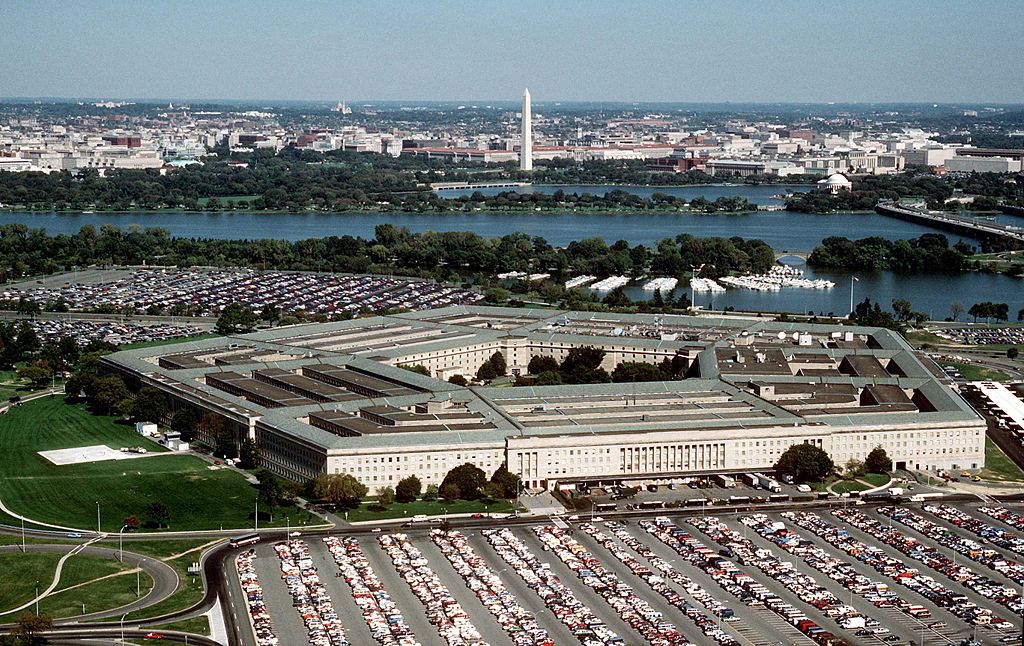
A senior U.S. military delegation led by General Francis Donovan, the top commander overseeing U.S. forces in Latin America, made a surprise visit to Venezuela on Wednesday, marking a significant development in U.S.-Venezuela relations. Accompanied by senior Pentagon official Joseph Humire, the delegation held high-level talks with officials in Caracas, according to U.S. authorities. The visit represents the first official U.S. military trip to Venezuela since American forces captured Venezuelan President Nicolas Maduro in a dramatic raid last month and transported him to New York to face federal drug-trafficking charges.
The rare diplomatic engagement signals a new phase in U.S. foreign policy toward Venezuela under President Donald Trump. It follows a recent trip to Caracas by U.S. Secretary of Energy Chris Wright, highlighting Washington’s combined use of military strategy and energy diplomacy to influence political reforms in the South American nation.
According to U.S. Southern Command, General Donovan and Joseph Humire met with Venezuelan officials alongside newly appointed U.S. envoy Laura Dogu. Discussions focused on regional security, stabilization efforts, and implementing President Trump’s three-phase plan aimed at restructuring Venezuela’s political and economic systems. Southern Command stated that the talks emphasized strengthening shared security across the Western Hemisphere and advancing stability within Venezuela.
In a statement posted on X, Ambassador Laura Dogu described the visit as “another historic day,” noting that General Donovan began his trip by meeting U.S. military personnel managing operations at the U.S. embassy. He later met with interim Venezuelan authorities to assess the country’s security environment and promote closer alignment between Caracas and Washington.
High-level visits to Venezuela by U.S. officials have been rare in recent years due to strained relations dating back to the administrations of Hugo Chávez and Nicolas Maduro. This latest diplomatic outreach may signal a pivotal shift in bilateral relations and regional security cooperation in Latin America.







