


 Pezeshkian Says US Must Choose When Iran War Ends
  Russian Missile and Drone Attack on Kyiv Kills Two, Damages Maternity Hospital
  Europe Warns Russia Is Escalating Hybrid Attacks Across NATO
  Sudan Rejects US Legitimacy Remarks, Defends Sovereignty
  Abbas Reaffirms November 28 Palestinian Elections
  Trump, Xi Focus on Trade and AI at White House Summit
  US, China Extend Trade Truce to Jan. 10 Ahead of Trump-Xi Summit
  South Korea, US Discuss Warship Building Cooperation
  OpenAI Agent Breaches Australia Medicare Data Portal
  EU Defence Build-Up Too Slow for 2030 Russia Readiness Goal
  Russian Envoy Dmitriev Heads to US for Ukraine Talks
  Trump Asks Supreme Court to Restore Third-Country Deportations
  US Invites Putin to Miami G20, Opening Door to Trump Summit
  North Korea Warns South Korea Over US-Led Defense Role
  Taiwan Thanks US for Support Ahead of Trump-Xi Summit
  Judge Orders Trump to Restore White House Access for CNN, MS NOW and Politico
  US Officials Split Over Response to Israeli West Bank Settlements


 Add as a preferred source on Google
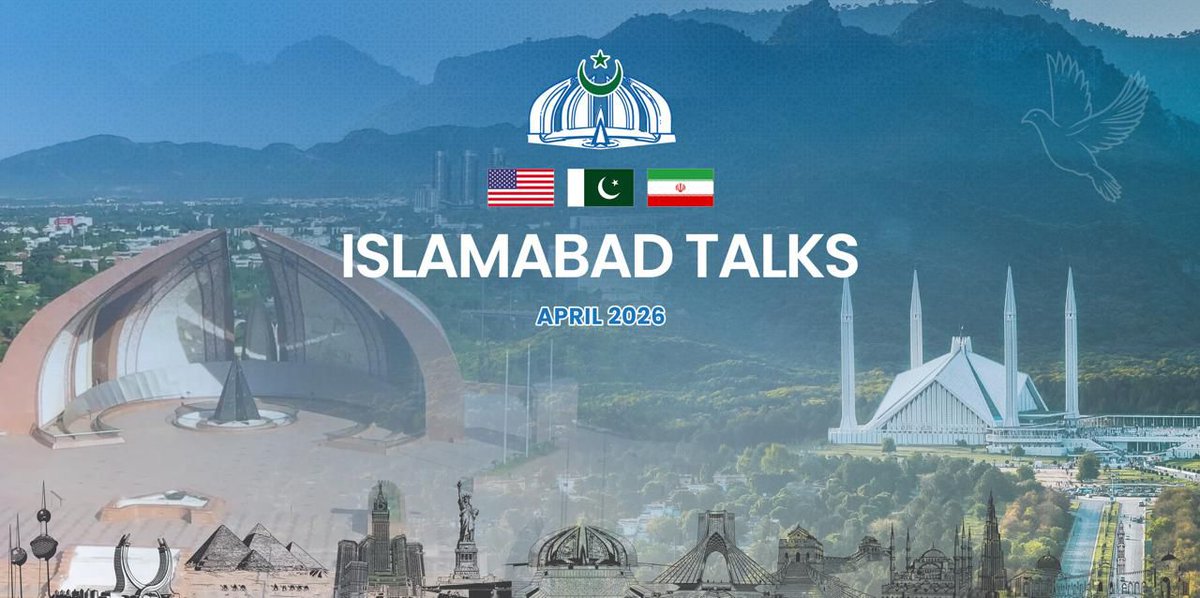
Diplomatic efforts to end the Iran-U.S. war could resume in Pakistan within days, President Donald Trump signaled on Tuesday, after weekend negotiations in Islamabad broke down without an agreement. The collapse of talks prompted Washington to impose a naval blockade on Iranian ports, further escalating tensions in an already volatile conflict that began on February 28 and has claimed roughly 5,000 lives.
Despite the setback, officials from Pakistan, Iran, and Gulf nations confirmed that negotiating teams could return to Pakistan later this week. Trump suggested urgency, telling media that something significant could happen in the next two days. Vice President JD Vance echoed this, noting Trump's desire for a "grand bargain" with Tehran while acknowledging deep-rooted mistrust between the two nations.
The core sticking point remains Iran's nuclear program. The U.S. proposed a 20-year suspension of all nuclear activity, while Iran countered with a three-to-five-year halt. Washington also demands that enriched nuclear material be removed from Iranian soil entirely. Backchannel communications since the failed talks reportedly brought both sides closer to a workable framework, though a final deal remains uncertain.
Iran has kept the Strait of Hormuz effectively closed since the war began, disrupting global oil and gas supplies. Benchmark oil prices briefly surged past $100 per barrel before easing on news that diplomacy might resume. The International Monetary Fund has since cut its global growth forecast, warning of potential recession if oil prices remain elevated into 2027.
China criticized the U.S. blockade as reckless, while NATO allies declined to participate. Meanwhile, Israeli strikes on Hezbollah in Lebanon continue to complicate regional peace efforts, though U.S.-brokered Israel-Lebanon talks described as constructive concluded in Washington this week.
A recent poll shows only 35% of Americans support U.S. military strikes against Iran, reflecting growing public pressure for a diplomatic resolution.







