


 US Invites Putin to Miami G20, Opening Door to Trump Summit
  US Officials Split Over Response to Israeli West Bank Settlements
  Abbas Reaffirms November 28 Palestinian Elections
  Russian Missile and Drone Attack on Kyiv Kills Two, Damages Maternity Hospital
  Netanyahu Takes Aim at Mamdani as Israel Election Nears
  NATO Boosts Intelligence Sharing Amid Russia Hybrid Threats
  EU Defence Build-Up Too Slow for 2030 Russia Readiness Goal
  Europe Warns Russia Is Escalating Hybrid Attacks Across NATO
  North Korea Rejects Nuclear Test Warning, Calls Nuclear Status Irreversible
  Pezeshkian Says US Must Choose When Iran War Ends
  Trump Asks Supreme Court to Restore Third-Country Deportations
  Kremlin Says No Decision Yet on Putin-Trump December Summit
  US Backs Musk in Fight Against EU’s €120 Million X Fine
  Ghana Says Western Support Growing for Slave Trade Reparations
  US Senate Rejects Iran War Powers Resolution in 50-49 Vote
  Mexico-US Trade Talks Delayed to October as Tariff Negotiations Continue
  France Defends Netanyahu Airspace Clearance Despite ICC Warrant


 Add as a preferred source on Google
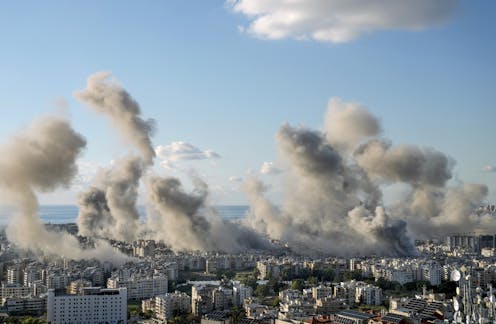
Ten countries, including Canada, the United Kingdom, Australia, and Japan, have jointly condemned the killing of United Nations peacekeepers in Lebanon, urging an immediate ceasefire as the humanitarian crisis in the region continues to worsen. The joint statement was issued Tuesday amid escalating violence that has claimed over 2,000 Lebanese lives since March.
The coalition — comprised of Australia, Brazil, Canada, Colombia, Indonesia, Japan, Jordan, Sierra Leone, Switzerland, and the United Kingdom — expressed grave concern over the deteriorating humanitarian conditions and the mass displacement of civilians across Lebanon. While the statement avoided directly naming Israel or Iran-backed Hezbollah, it strongly condemned actions endangering UN peacekeeping personnel and humanitarian workers operating in southern Lebanon.
The statement followed the deaths of three Indonesian UN peacekeepers last month. According to preliminary UN findings, one peacekeeper was killed by an Israeli tank projectile, while two others died from an improvised explosive device believed to have been planted by Hezbollah.
Tensions in the region spiked after Hezbollah launched missile strikes against Israel on March 2, just days after the United States and Israel initiated military operations against Iran on February 28. Iran retaliated with strikes targeting Israel and Gulf states hosting American military bases. The broader U.S.-Israeli campaign against Iran has since killed thousands and displaced millions, with a fragile two-week ceasefire — still with one week remaining — currently holding between Washington and Tehran.
Israel subsequently intensified aerial bombardments and expanded a ground offensive into southern Lebanon, displacing approximately 1.2 million people. Hezbollah's retaliatory missile attacks have reached major Israeli cities, with Israel reporting 15 total casualties since March.
The ten nations welcomed the U.S.-Israel-Iran ceasefire agreement while calling for a separate and urgent halt to hostilities in Lebanon. Iran insists the Lebanese conflict must be part of any broader peace deal, while Israel has firmly rejected ceasefire negotiations for Lebanon and is demanding Hezbollah's disarmament.







