


 Europe Warns Russia Is Escalating Hybrid Attacks Across NATO
  Netanyahu Takes Aim at Mamdani as Israel Election Nears
  Trump, Xi Focus on Trade and AI at White House Summit
  Judge Orders Trump to Restore White House Access for CNN, MS NOW and Politico
  Mexico-US Trade Talks Delayed to October as Tariff Negotiations Continue
  Kremlin Says No Decision Yet on Putin-Trump December Summit
  North Korea Rejects Nuclear Test Warning, Calls Nuclear Status Irreversible
  Trump Asks Supreme Court to Restore Third-Country Deportations
  France Defends Netanyahu Airspace Clearance Despite ICC Warrant
  Netanyahu Defends Israel at UN as Delegates Stage Walkout
  Russian Missile and Drone Attack on Kyiv Kills Two, Damages Maternity Hospital
  Netanyahu’s Brief US Trip Highlights Strains With Trump
  North Korea Warns South Korea Over US-Led Defense Role
  US Invites Putin to Miami G20, Opening Door to Trump Summit
  Sudan Rejects US Legitimacy Remarks, Defends Sovereignty
  South Korea, US Discuss Warship Building Cooperation
  Russian Envoy Dmitriev Heads to US for Ukraine Talks


 Add as a preferred source on Google
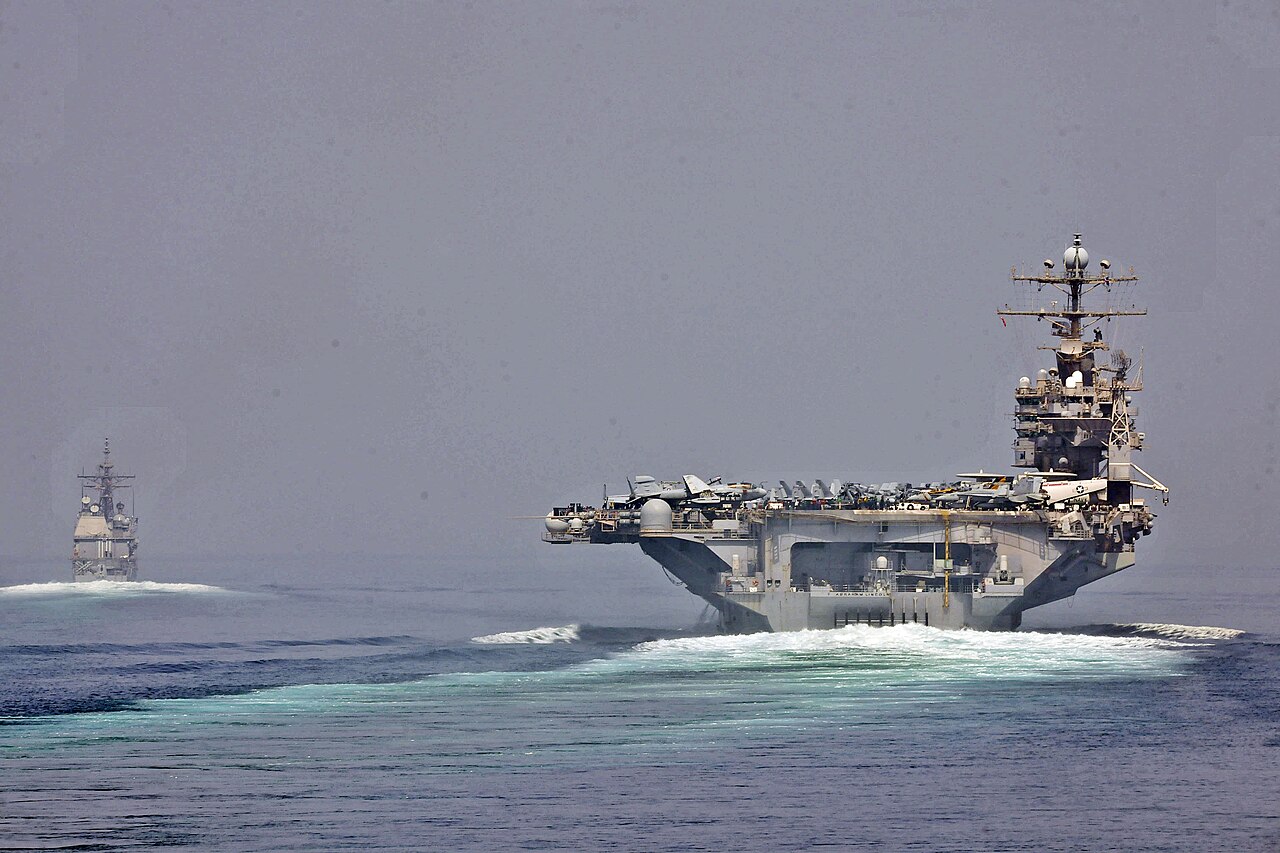
United States military forces have fully enacted a naval blockade against Iran, halting all sea-based economic trade flowing in and out of the country, according to a statement released Tuesday by U.S. Central Command. The sweeping maritime measure was ordered by President Donald Trump just days after weekend ceasefire negotiations in Pakistan broke down without a definitive agreement.
Central Command confirmed via social media that American forces have completely restricted Iranian maritime commerce, a move widely interpreted as a pressure tactic designed to push Tehran toward a lasting peace agreement. Shipping data from MarineTraffic indicated that vessel traffic through the strategically vital Strait of Hormuz had dropped to minimal levels following the blockade's implementation, raising fresh concerns about potential global shipping disruptions in one of the world's most critical waterways.
Despite the escalating pressure, Trump expressed cautious optimism about the conflict's trajectory. In remarks relayed by Fox Business anchor Maria Bartiromo following a White House interview, the president described the Iran war as "very close to over." Trump also told the New York Post that he anticipates renewed ceasefire talks within days, signaling that diplomatic channels remain open even as military pressure intensifies.
A fragile two-week ceasefire between the U.S. and Iran, set to expire on April 21, appeared to be holding as of Tuesday evening. However, analysts warn that the naval blockade could complicate ongoing peace efforts rather than accelerate them. Now entering its sixth consecutive week, the conflict continues without a clearly defined resolution strategy.
On a broader diplomatic front, Israel and Lebanon held their first direct talks since 1993 in Washington, offering a modest but meaningful sign of regional de-escalation. Iran has consistently demanded Lebanon's inclusion in any ceasefire framework, making this development potentially significant to future negotiations.







