


 North Korea Warns South Korea Over US-Led Defense Role
  US Officials Split Over Response to Israeli West Bank Settlements
  Yemen Violence Displaces 130,000 as Civilian Toll Rises
  Taiwan Thanks US for Support Ahead of Trump-Xi Summit
  Sudan Rejects US Legitimacy Remarks, Defends Sovereignty
  South Korea, US Discuss Warship Building Cooperation
  NATO Boosts Intelligence Sharing Amid Russia Hybrid Threats
  Russian Envoy Dmitriev Heads to US for Ukraine Talks
  US Invites Putin to Miami G20, Opening Door to Trump Summit
  Russian Missile and Drone Attack on Kyiv Kills Two, Damages Maternity Hospital
  Mexico-US Trade Talks Delayed to October as Tariff Negotiations Continue
  US Backs Musk in Fight Against EU’s €120 Million X Fine
  Trump Asks Supreme Court to Restore Third-Country Deportations
  Kremlin Says No Decision Yet on Putin-Trump December Summit
  Netanyahu Defends Israel at UN as Delegates Stage Walkout
  Netanyahu’s Brief US Trip Highlights Strains With Trump
  Europe Warns Russia Is Escalating Hybrid Attacks Across NATO


 Add as a preferred source on Google
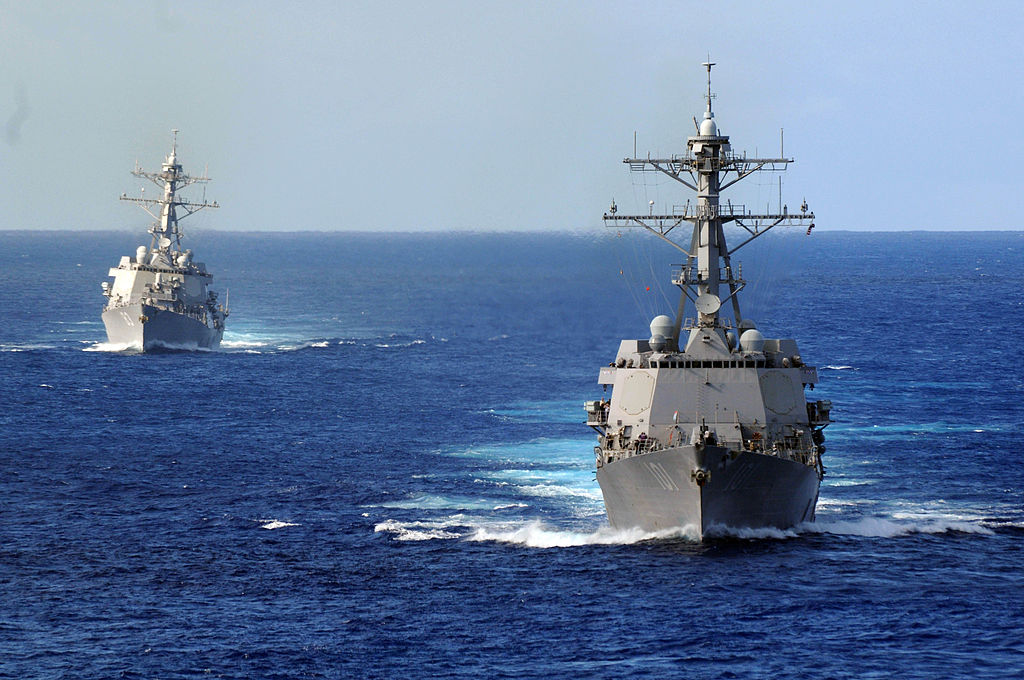
The United States military has conducted back-to-back strikes on suspected drug-trafficking vessels in the eastern Pacific Ocean, resulting in the deaths of at least six individuals over two consecutive days. On Tuesday, a military strike targeted a vessel in the region, killing four men, following a similar operation the previous day that claimed the lives of two others.
These operations are part of a broader counter-narcotics campaign launched under the Trump administration, which has authorized the use of military force against ships believed to be involved in the transportation of illegal drugs. The strategy marks a significant escalation in how the federal government is approaching the ongoing drug trafficking crisis that has long plagued maritime borders.
By deploying direct military action at sea, the administration signals a firm departure from traditional law enforcement methods, opting instead for a more aggressive posture in combating the flow of narcotics into the United States. Officials have framed these strikes as a necessary measure to disrupt supply chains operated by powerful drug cartels that rely heavily on ocean routes to move contraband across international waters.
The eastern Pacific has historically served as a major corridor for drug smugglers, making it a focal point for interdiction efforts by the U.S. Navy and Coast Guard. The recent use of lethal military force, however, represents a new and controversial dimension in America's war on drugs at sea.
Critics and legal experts have raised concerns about the legal framework governing such strikes, particularly regarding rules of engagement, international maritime law, and the rights of individuals aboard targeted vessels. Questions remain about oversight, accountability, and whether these measures will effectively deter organized drug trafficking networks or simply push them to adapt their routes and methods.







