


 Fed Unveils Stablecoin Rules Under GENIUS Act
  Wall Street Falls as Treasury Yields Surge, Oil Rebounds on Iran Tensions
  Dollar Holds Near Two-Month High as Yen Approaches 160
  US Stock Futures Fall as Treasury Yields Surge Ahead of Trump-Xi Summit
  U.S. 10-Year Treasury Yield Hits 2007 High as Fed Rate Hike Bets Rise
  Mexico-US Trade Talks Delayed to October as Tariff Negotiations Continue
  US, China Extend Trade Truce to Jan. 10 Ahead of Trump-Xi Summit
  Asian Stocks Fall as Surging Bond Yields Rattle Markets
  Asian Stocks Fall as Bond Yields Surge Ahead of Trump-Xi Summit
  European Stocks Fall as Bond Yields and Geopolitical Risks Weigh
  Gold Holds Near $4,275 as Rising Treasury Yields Fuel Fed Rate Hike Bets
  RBI Uses $10 Billion Currency Swaps to Drain Excess Rupee Liquidity
  Japanese Bank Stocks Surge as Bond Yields Fuel Rate Hike Bets
  U.S. Treasury Yields Surge as 30-Year Hits 22-Year High
  Gold Prices Fall as Treasury Yields Rise on Fed Rate Hike Bets
  South Korea, US Discuss Warship Building Cooperation
  Oil Prices Jump 3% as Houthi Attack Revives Supply Fears


 Add as a preferred source on Google
Most Asian currencies gained ground on Thursday as the U.S. dollar extended its losing streak for a ninth consecutive session, driven by renewed optimism surrounding potential U.S.-Iran peace talks ahead of next week's ceasefire deadline. The dollar index slipped approximately 0.1%, hovering near its weakest point in six weeks, as improving global risk appetite reduced demand for safe-haven assets.
Across the region, the Japanese yen strengthened 0.2% against the dollar, while the South Korean won advanced 0.3%. The Singapore dollar, Indian rupee, and Taiwan dollar each posted modest gains of around 0.1% to 0.2%, reflecting a broadly positive sentiment across emerging Asian markets.
The Chinese yuan stood out as the exception, trading flat near 6.8 per dollar — its strongest level in three years — despite China reporting better-than-expected first-quarter GDP growth of 5%, surpassing the forecasted 4.8% and accelerating from the previous quarter's 4.5% expansion. While exports fueled much of this growth alongside improving domestic spending, China's heavy reliance on trade could face challenges tied to ongoing war-related shipping disruptions and rising energy costs.
Adding to dollar weakness, U.S. producer inflation came in softer than anticipated, reinforcing market speculation that the Federal Reserve could still implement interest rate cuts before year-end.
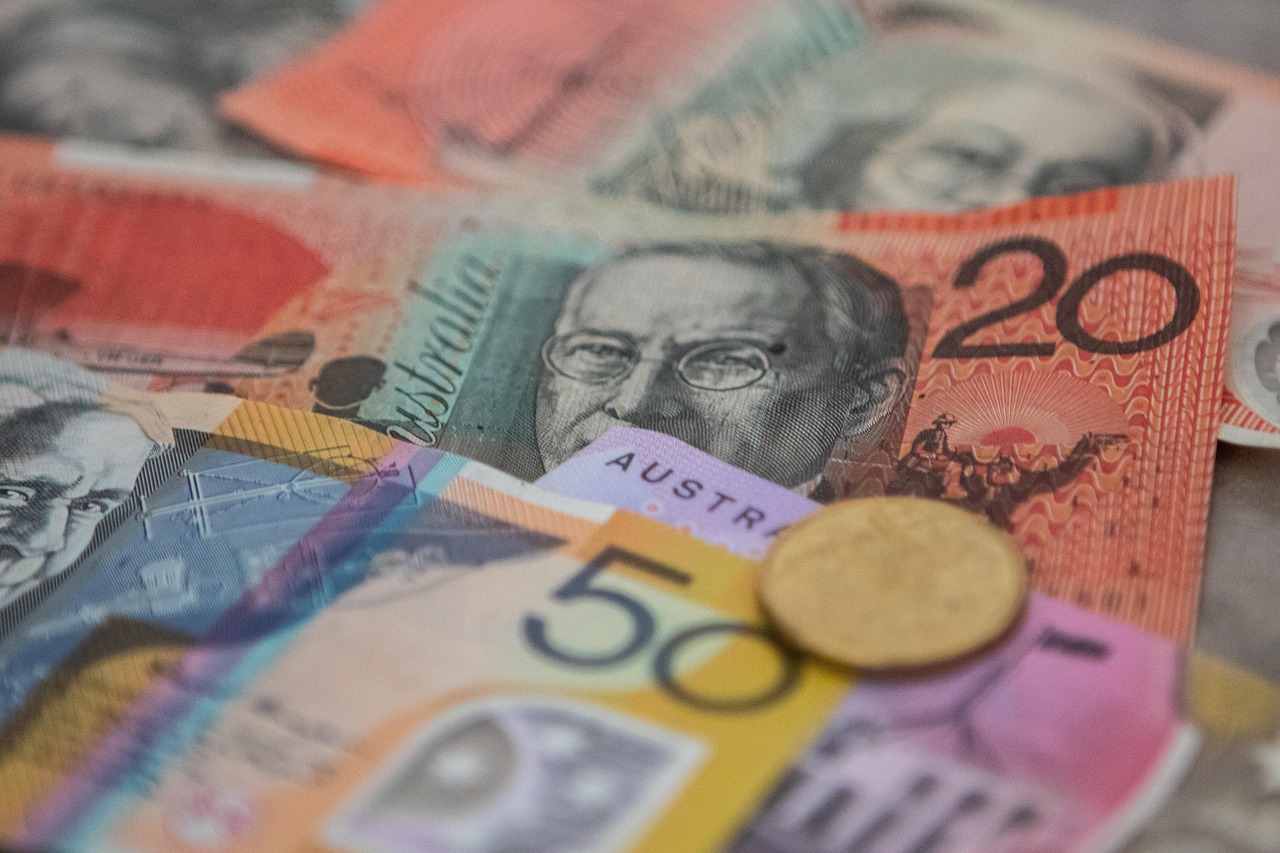
Meanwhile, the Australian dollar climbed nearly 0.4%, reaching its highest level since June 2022. Although Australian employment growth in March came in slightly below forecasts and slowed considerably from February, the labor market remained tight enough to keep further Reserve Bank of Australia rate hikes on the table. The RBA, which raised rates by 25 basis points in March, continues to monitor inflationary risks linked to the ongoing Iran conflict.
Overall, easing geopolitical tensions and softer U.S. economic data combined to lift regional currencies while weighing on the greenback.







