


 Europe can’t achieve space sovereignty alone. Here’s why
  CNN, MS NOW and Politico Sue Trump Over White House Media Ban
  Apple Pay Set for India Launch With Axis Bank
  Who should own the knowledge that underpins AI technology?
  FxWirePro- Crypto Weekly Alpha: ETF Rebounds, L2 Rallies & Key Resistance Levels
  Big AI wants to slow down AI research. Is it a safety pause or a strategic retreat?
  Petrobras Joins Brazil’s New Diesel Subsidy Program
  Unsustainable – or manageable? We don’t yet know how data centres will impact Australia’s environment
  US Northeast Airports Resume Operations After Telecom Outage Disrupts Thousands of Flights
  FAA Allows Boeing to Sell 35 More 777F Freighters Beyond 2028
  Westinghouse Targets $50 Billion Valuation in U.S. IPO
  fnny Beta Launches With a Simple Idea: Find an Event, Show Up, Get Rewarded
  NASA, Boeing Discuss Expanding Starliner Missions


 Add as a preferred source on Google
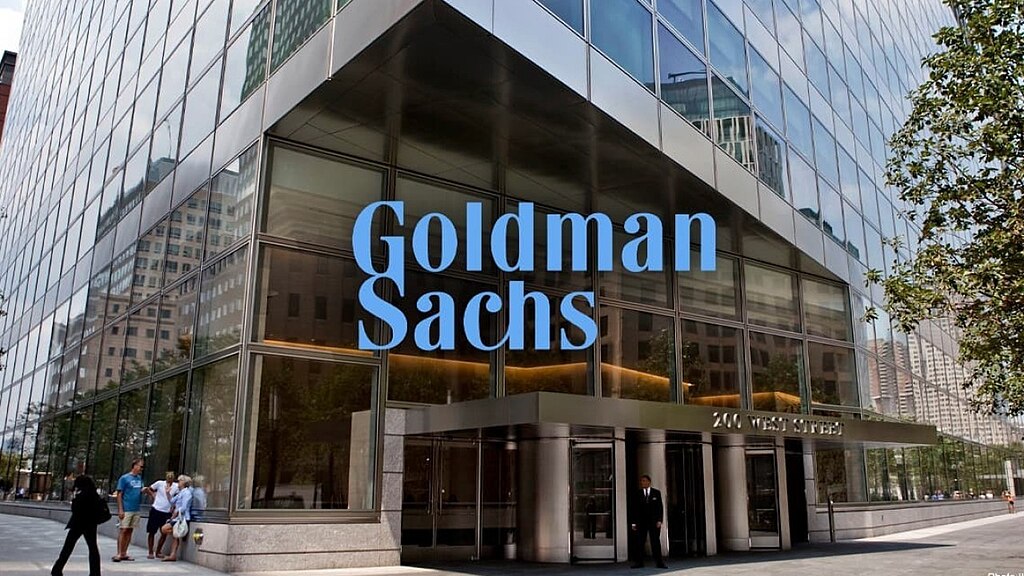
Goldman Sachs' fixed income trading division took a hit in the first quarter, with revenue dropping 10% to $4.01 billion, as surging market volatility tied to the Iran conflict forced the Wall Street giant to hold unfavorable positions as a market maker. Two sources familiar with the matter, speaking anonymously, confirmed that the bank's Fixed Income, Currencies and Commodities (FICC) unit suffered losses on specific positions near the quarter's end — a detail not officially disclosed by the firm but previously reported by the Financial Times.
The results stood in sharp contrast to major competitors. JPMorgan Chase reported a 21% surge in fixed-income revenue to $7.1 billion, while Citigroup and Morgan Stanley also posted notable gains. Bank of America recorded modest improvements in the same segment. Goldman's underperformance raised eyebrows across Wall Street, particularly given its reputation as a leading global market maker in equities, FICC, and derivatives.
Goldman Sachs President John Waldron pushed back against concerns at a Semafor conference in Washington, attributing the shortfall to the natural rhythm of market-making. He emphasized that short-term disruptions are inevitable and expressed full confidence in the long-term strength of the FICC business.
The broader backdrop played a significant role in the quarter's turbulence. The Iran conflict triggered an energy price shock that rattled currency and bond markets, forcing investors to reconsider expectations for central bank interest rate cuts. Rising oil prices and persistent inflation uncertainty caused rapid repricing across global rates and foreign exchange markets, with many analysts warning that major central banks could maintain a hawkish stance longer than anticipated.
Wells Fargo banking analyst Mike Mayo noted that Goldman's heavy macro exposure in rates left it vulnerable during March's sharp market shifts. While one difficult quarter may be forgiven, he cautioned that repeated underperformance could raise deeper strategic questions about the firm's trading positioning.







