


 Japan Signals Preference for Low Interest Rates as BOJ Policy Debate Intensifies
  Iran Attack in Strait of Hormuz Pushes Oil Prices Higher
  Oil Prices Drop as Strait of Hormuz Shipping Recovers
  Young Brazilian Voters Shift Right Ahead of 2026 Election
  Malaysia Central Bank Moves to Support Ringgit Amid Foreign Fund Outflows
  ICC Judges Sue Trump Administration Over Sanctions, Calling Measures Unlawful
  Bessent Says U.S. Must Strengthen Supply Chains and Economic Security
  Oil Prices Drop as Middle East Supply Recovery Eases Market Concerns
  Marco Rubio Seeks Gulf Support for U.S.-Iran Peace Deal Amid Regional Concerns
  NATO Chief Tries to Ease Trump Alliance Dispute
  South Korea’s KOSPI Jumps Over 5% as Samsung, SK Hynix Rally on Micron Earnings Boost
  Marco Rubio Reassures Gulf Allies Over U.S.-Iran Peace Deal
  Bank Regulation Rollbacks in the U.S. and UK Could Increase Financial Risks, Study Warns
  South Korea’s KOSPI Plunges as Apple Price Hikes and OpenAI IPO Delay Shake AI Chip Stocks
  Gold Drops Below $4,000 as Strong US Dollar and Fed Rate Hike Expectations Pressure Bullion
  Morgan Stanley Sees Chinese Auto Market Recovery Gaining Momentum in Late Summer
  U.S. Eases Iran Team Travel Restrictions Ahead of Seattle World Cup Match


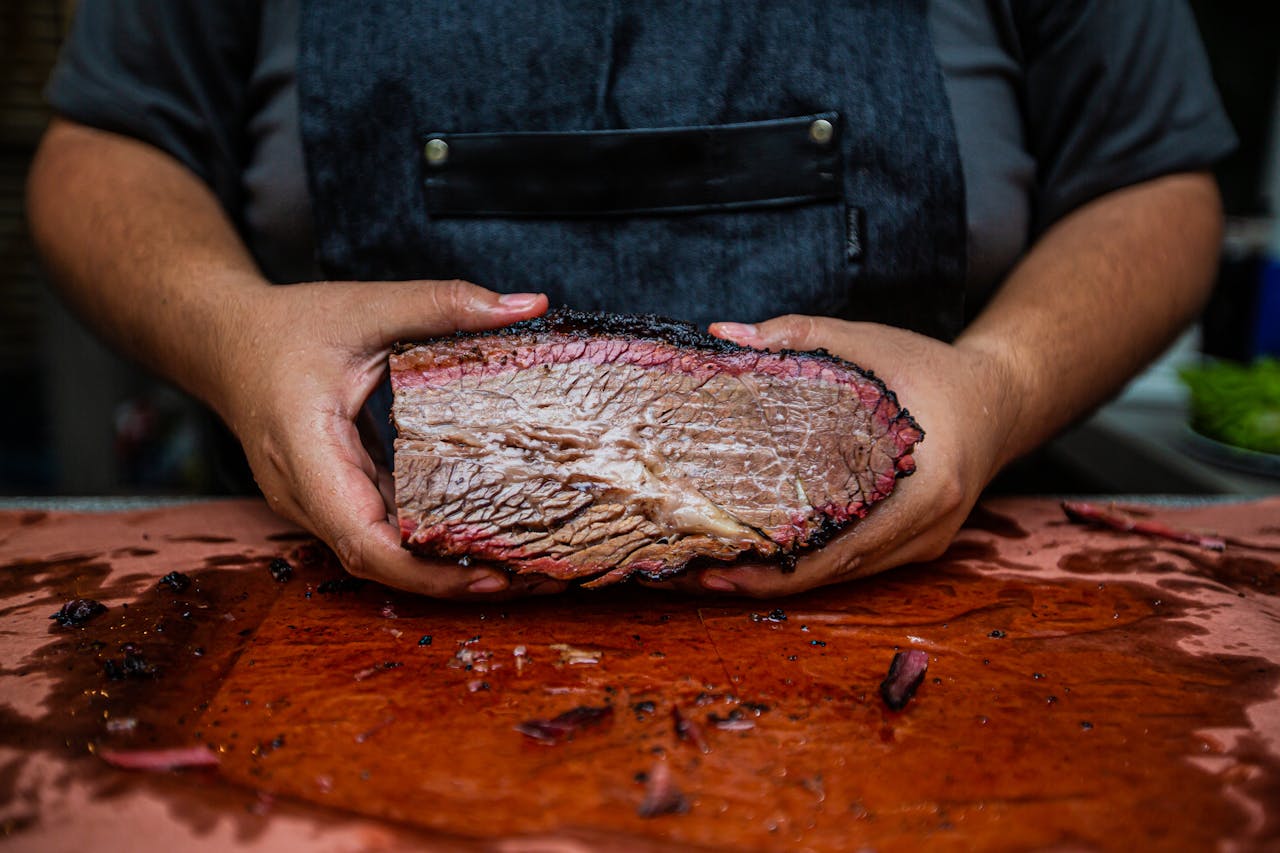
The United States has officially removed the 40% tariffs on Brazilian food products— including beef, coffee, cocoa, and fruits—originally imposed in July as retaliation for Brazil’s prosecution of former president and Trump ally Jair Bolsonaro. The tariff rollback, announced Thursday by President Donald Trump, is part of a broader effort by the White House to reverse measures that have driven up food costs for American consumers.
According to the order released by the White House, the tariff removal applies to Brazilian goods entering the country on or after November 13. It may also trigger refunds for duties paid while the tariffs were previously in effect. The move follows a similar action last week that lifted tariffs on agricultural imports from other countries as the administration attempts to ease inflationary pressure on grocery prices.
Brazil is a critical supplier to the U.S. market, providing about one-third of America’s coffee—essential in a nation that leads the world in coffee consumption. The country has also grown into a major exporter of beef used for hamburger production. Due to the tariffs and global supply issues, U.S. retail coffee prices soared by as much as 40% this year, putting additional strain on household budgets.
Analysts say the tariff reversal is expected to immediately unlock shipments. Judith Ganes of J. Ganes Consulting noted that thousands of bags of Brazilian coffee stored in bonded warehouses—where importers delay paying duties—will now be released to U.S. roasters. Many importers had held products in storage while anticipating a policy change.
Brazil’s beef industry group ABIEC praised the decision, calling it proof of effective trade negotiations and expressing plans to further expand market presence. While the order reverses tariffs, it does not reference U.S. sanctions previously imposed on Brazilian officials involved in Bolsonaro’s conviction related to a 2022 coup plot.
Brazilian President Luiz Inácio Lula da Silva welcomed the tariff removal, saying he was pleased to see the barriers lifted.







