


 Kremlin Says No Decision Yet on Putin-Trump December Summit
  Trump Asks Supreme Court to Restore Third-Country Deportations
  US, China Extend Trade Truce to Jan. 10 Ahead of Trump-Xi Summit
  Europe Warns Russia Is Escalating Hybrid Attacks Across NATO
  EU Defence Build-Up Too Slow for 2030 Russia Readiness Goal
  Judge Orders Trump to Restore White House Access for CNN, MS NOW and Politico
  US Backs Musk in Fight Against EU’s €120 Million X Fine
  US Officials Split Over Response to Israeli West Bank Settlements
  US Invites Putin to Miami G20, Opening Door to Trump Summit
  Sudan Rejects US Legitimacy Remarks, Defends Sovereignty
  US Senate Rejects Iran War Powers Resolution in 50-49 Vote
  NATO Boosts Intelligence Sharing Amid Russia Hybrid Threats
  France Defends Netanyahu Airspace Clearance Despite ICC Warrant
  Pezeshkian Says US Must Choose When Iran War Ends
  Ghana Says Western Support Growing for Slave Trade Reparations
  Mexico-US Trade Talks Delayed to October as Tariff Negotiations Continue
  Trump, Xi Focus on Trade and AI at White House Summit


 Add as a preferred source on Google
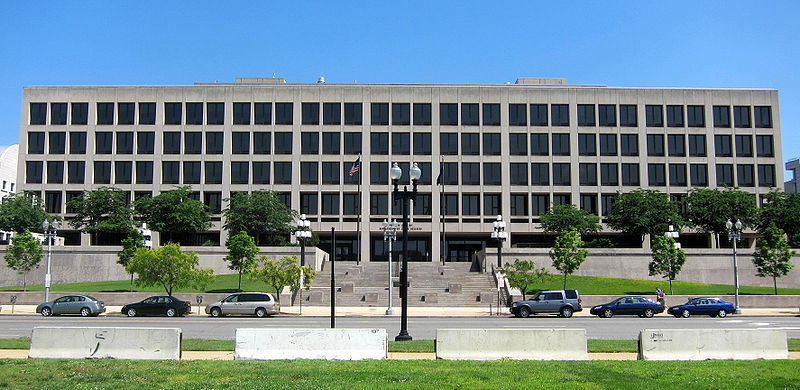
A bipartisan group of US lawmakers introduced legislation this week that would raise penalties on employers who breach child labor laws. The legislation follows reports and federal probes into the matter, finding an increasing number of companies hiring underage migrant workers.
On Wednesday, a bipartisan group of lawmakers introduced legislation in the House of Representatives that would increase penalties on companies that breach child labor laws. The legislation this week follows a similar Democratic-led effort that was introduced in the Senate. The labor department has also taken steps to increase the implementation of child labor violations while calling on Congress to raise penalties.
The latest legislation would ensure that agencies would have the resources needed to enforce federal child labor laws, according to Democratic Rep. Hillary Scholten, who introduced the bill with Republican Rep. Nancy Mace. Scholten cited reports by Reuters and the New York Times last year as what prompted her to introduce such legislation.
Current federal laws say the maximum civil monetary policy for violations of child labor laws would be $15,138 per child.
“Children should be in school,” said Scholten. “Not factories with dangerous working conditions.”
Scholten said she is coordinating with other lawmakers in the House and the Senate on the legislation. Earlier this month, six Democratic Senators led by Senator Brian Schatz introduced a similar bill that would increase civil fines and impose stronger criminal penalties for repeat or deliberate violations.
The Reuters reports last year found that migrant children, some of which are as young as 12 years old, were manufacturing car parts at suppliers to South Korean auto brand Hyundai in Alabama and also working in chicken processing plants there. The New York Times reported this year that migrant children were working in factories for major US brands across the country.
The labor department also saw an increase of almost 70 percent in child labor violations since 2018.
On Thursday, the Republican-controlled House passed a GOP-led energy reform legislation that aimed to boost US oil and gas production while scaling back climate initiatives, marking the first major legislation under House Speaker Kevin McCarthy. The bill passed on a mostly partisan vote of 225-204. However, the bill stands a slim chance of passing the Democratic-led Senate, where Senate Majority Leader Chuck Schumer said the legislation was “dead on arrival.”







