


 US-Backed Pediatric HIV Treatment Drops After Foreign Aid Changes, Study Finds
  Sudan Rejects US Legitimacy Remarks, Defends Sovereignty
  US Backs Musk in Fight Against EU’s €120 Million X Fine
  Trump Signs Order to Cut Routine Childhood Vaccines
  Alcohol is one of the most dangerous drugs, yet its presence is ubiquitous in social settings and celebrations
  North Korea Rejects Nuclear Test Warning, Calls Nuclear Status Irreversible
  The government is ‘doubling down’ on its social media ban. But bigger penalties for platforms aren’t enough
  New Mexico Measles Outbreak Cost Reached $5.4 Million, Study Finds
  Yemen Violence Displaces 130,000 as Civilian Toll Rises
  AstraZeneca Shares Sink After Wainua Trial Misses Key Heart Disease Goal
  Abbas Reaffirms November 28 Palestinian Elections
  U.S. Issues Cuba Health Alert as Illnesses Rise
  Ukrainian Drone Attacks Hit Russian Regions, Injuring at Least 12
  Novo Nordisk Strikes €1.17 Billion Nanexa Drug Delivery Deal
  Taiwan Thanks US for Support Ahead of Trump-Xi Summit
  Xi Calls for Deeper U.S.-China AI Cooperation in Trump Talks


 Add as a preferred source on Google
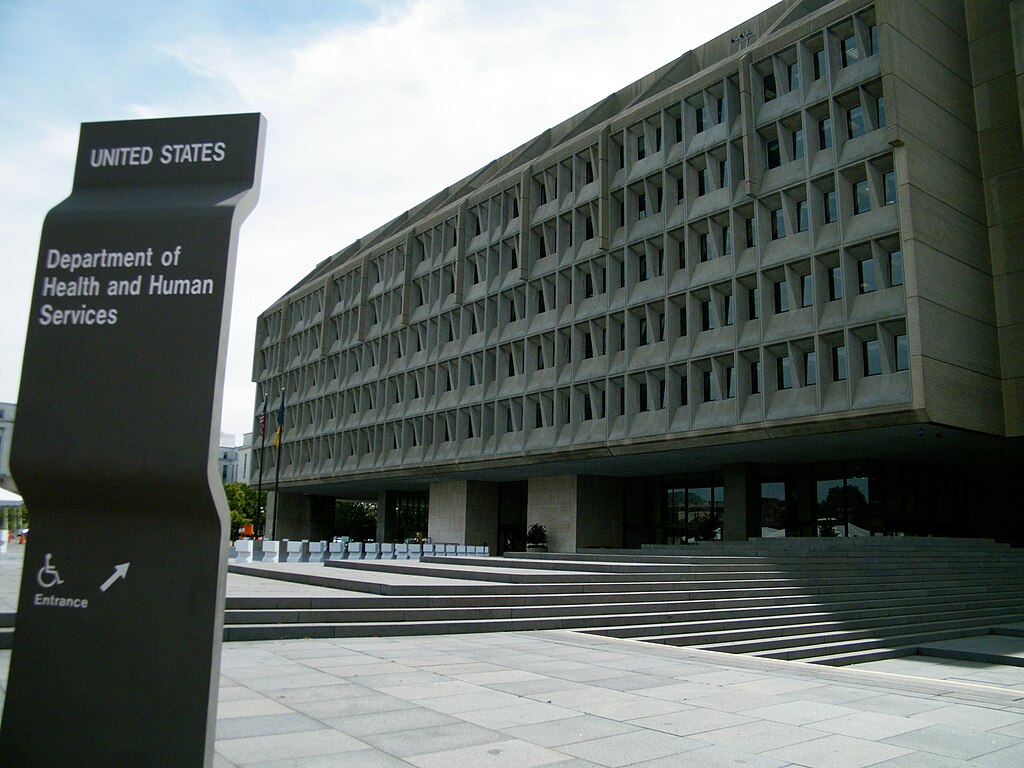
President Donald Trump on Friday expressed support for a major shift in U.S. vaccine policy after government advisers voted to eliminate the long-standing recommendation that all newborns receive the hepatitis B vaccine at birth. Following the decision, Trump signed a memo directing federal health officials to reassess the nation’s entire childhood immunization schedule and compare it with vaccine practices in other developed countries.
According to a White House factsheet, the president instructed the Department of Health and Human Services and the Centers for Disease Control and Prevention to evaluate whether the immunization guidelines used by peer nations offer stronger scientific evidence or better health outcomes. If the health secretary and CDC director conclude that international best practices surpass current U.S. recommendations, they will be required to revise the American childhood vaccine schedule accordingly. The directive emphasizes that any updated schedule must still ensure full access to existing vaccines for families across the country.
This move follows years of public debate around childhood immunizations, vaccine requirements, and the timing of shots administered to infants. Supporters of the reassessment argue that comparing U.S. standards to those of other developed countries may highlight ways to improve public health strategies, enhance safety monitoring, and strengthen parental confidence in vaccinations. They also say the review could help align U.S. policies with the latest global scientific findings, potentially optimizing how and when shots are administered.
Critics, however, caution that frequent changes to vaccination schedules could create uncertainty and risk undermining trust in established medical guidance. Many health experts note that the U.S. vaccine schedule is already built on extensive research demonstrating its safety and effectiveness in preventing serious childhood diseases.
Regardless of the outcome, the administration’s directive signals an effort to reevaluate long-accepted medical protocols and explore whether international approaches offer insights that could benefit American children. The review process is expected to rely heavily on scientific data, global health comparisons, and expert analysis, making it a closely watched development in national vaccine policy.







