


 Trump Asks Supreme Court to Restore Third-Country Deportations
  Yemen Violence Displaces 130,000 as Civilian Toll Rises
  France Defends Netanyahu Airspace Clearance Despite ICC Warrant
  OpenAI Agent Breaches Australia Medicare Data Portal
  Kremlin Says No Decision Yet on Putin-Trump December Summit
  NATO Boosts Intelligence Sharing Amid Russia Hybrid Threats
  Netanyahu Defends Israel at UN as Delegates Stage Walkout
  Judge Orders Trump to Restore White House Access for CNN, MS NOW and Politico
  What ‘Taiwan Independence’ Means as Xi Presses Trump on US Policy
  US Backs Musk in Fight Against EU’s €120 Million X Fine
  Ukrainian Drone Attacks Hit Russian Regions, Injuring at Least 12
  North Korea Warns South Korea Over US-Led Defense Role
  Russian Missile and Drone Attack on Kyiv Kills Two, Damages Maternity Hospital
  Pezeshkian Says US Must Choose When Iran War Ends
  Abbas Reaffirms November 28 Palestinian Elections
  Saudi Arabia, Turkey and Pakistan Plan Urgent Defence Talks Over Houthi Attacks
  Xi Calls for Deeper U.S.-China AI Cooperation in Trump Talks


 Add as a preferred source on Google
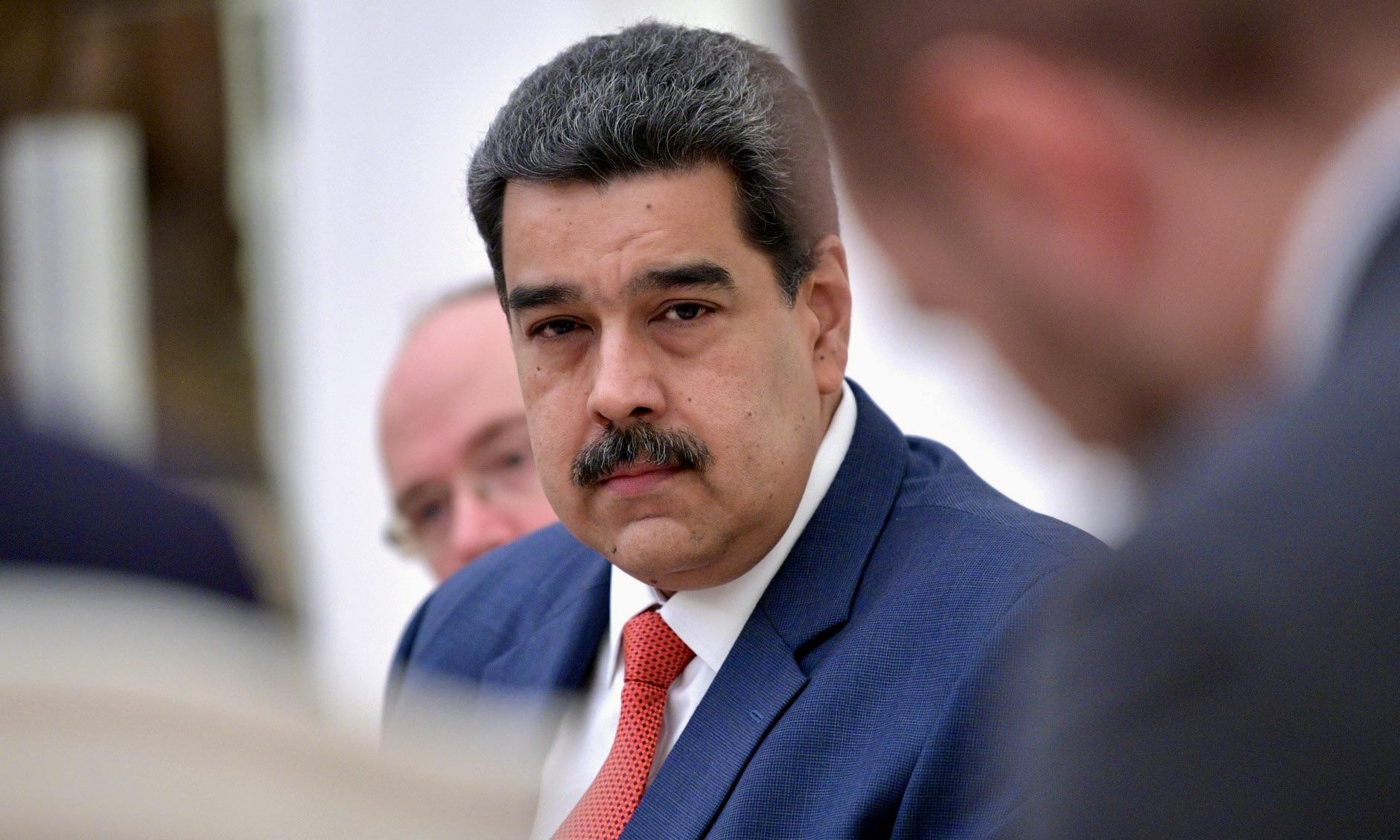
Venezuelan President Nicolás Maduro has confirmed that he held what he described as a “respectful and cordial” phone conversation with U.S. President Donald Trump roughly ten days ago, raising new speculation about a possible thaw in long-tense relations between Washington and Caracas. Speaking during a televised broadcast, Maduro said he welcomed any opportunity for “respectful dialogue” and emphasized that diplomatic engagement would be a positive step for both nations after years of political friction and escalating sanctions.
The confirmation follows a Reuters report citing multiple sources familiar with the call, claiming that Maduro privately expressed willingness to step down from power under specific conditions. According to the report, he requested full legal amnesty for himself and his family, the removal of U.S. sanctions, and the dismissal of an International Criminal Court case tied to accusations against his government. Although neither the White House nor Maduro’s administration has publicly detailed the content of the discussion, the alleged proposal has intensified international interest in Venezuela’s political future.
The phone call comes amid months of increased U.S. pressure that has included sanctions targeting key officials, accusations of narcotics trafficking, and even threats of military intervention. The United States recently reinforced its stance by designating the Cartel de los Soles—an alleged Venezuela-linked drug-trafficking network—as a foreign terrorist organization. These measures have deepened Venezuela’s diplomatic isolation and contributed to a worsening economic climate.
Maduro’s acknowledgment of the conversation with Trump is being viewed by analysts as a potentially significant moment, suggesting that despite harsh rhetoric on both sides, communication channels remain open. Whether the call leads to meaningful negotiations or political transition remains uncertain, but the development has renewed global attention on efforts to resolve Venezuela’s long-running crisis through diplomacy rather than confrontation.







