


 Macron, Trump Discuss Ukraine-Russia Energy Strike Moratorium
  Vietnam, US Trade Deal Could Be Signed Soon, To Lam Says
  Marco Rubio to Meet Russia’s Lavrov in New York
  UK, Mauritius Seek Diego Garcia Base Deal
  Macron Challenges Trump’s Gaza Peace Claims at UN
  Trump Scales Back Endangered Species Act Protections
  Scott Bessent Eyed as Trump’s New AI Czar
  Lula Meets Mamdani in New York as Elections Approach
  CNN, MS NOW and Politico Sue Trump Over White House Media Ban
  Kremlin Says No Grounds Yet for Ukraine Peace Talks
  China Tightens Fentanyl Rules Ahead of Trump-Xi Summit
  Trump Board of Peace Unveils $2.45 Billion Gaza Recovery Plan
  Burnham Eyes UK Leadership Role in AI Ahead of Trump Meeting
  US Plans Two New Military Bases in Greenland Under Arctic Deal
  Trump Says ‘Freedom’ Is Coming to Cuba
  Iran Vows ‘Crushing’ Response as US Talks Continue
  Zelenskiy Meets CIA Chief John Ratcliffe at Ireland’s Shannon Airport


 Add as a preferred source on Google
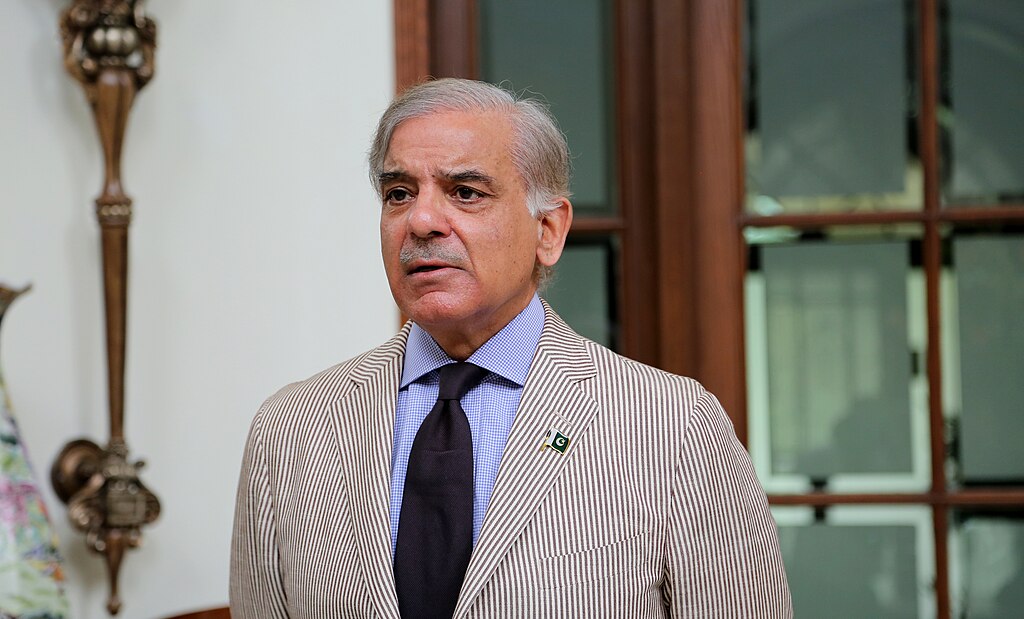
The United States and Iran have reportedly reached a landmark agreement aimed at ending months of conflict, with an official signing ceremony scheduled for Friday in Switzerland, according to Pakistani Prime Minister Shehbaz Sharif. The announcement marks a significant step toward de-escalation in the Middle East, despite fresh tensions triggered by an Israeli strike in Lebanon over the weekend.
Sharif stated that the agreement includes the immediate and permanent cessation of military operations across all fronts, including Lebanon. While the full details of the US-Iran peace deal have not yet been publicly disclosed, sources familiar with the negotiations previously indicated that the draft framework would reopen the Strait of Hormuz, lift the US blockade on Iranian ports, and extend the current ceasefire arrangement.
The proposed agreement is also expected to establish a 60-day negotiation period to address Iran’s nuclear program. During this phase, both sides would engage in further discussions aimed at reaching a comprehensive long-term settlement.
Tensions briefly resurfaced on Sunday following an Israeli strike targeting Hezbollah-linked positions in Beirut’s southern suburbs. Iranian officials strongly criticized the attack, arguing it raised concerns about Washington’s ability to uphold commitments tied to the emerging peace agreement. Iran’s Foreign Ministry held the United States responsible for the incident and warned that it was prepared to respond if necessary.
US President Donald Trump also expressed dissatisfaction with the Beirut strike, saying it should not have occurred at a time when both sides were close to securing a peace deal. Israel has maintained that it is not a party to the planned US-Iran agreement, highlighting ongoing differences between Prime Minister Benjamin Netanyahu and the Trump administration regarding military operations in Lebanon.
According to a senior Iranian official, the draft deal may also include the release of approximately $25 billion in frozen Iranian assets. In return, Iran would commit to not developing or acquiring nuclear weapons and would maintain the current status of its nuclear activities, including refraining from uranium enrichment expansion, until a final agreement is negotiated.
If finalized, the agreement could reshape regional stability, ease geopolitical tensions, and open the door to broader diplomatic engagement between Washington and Tehran.







