


 Najib Razak Seeks Stay of 15-Year 1MDB Prison Sentence
  Ghana Says Western Support Growing for Slave Trade Reparations
  Ukrainian Drone Attacks Hit Russian Regions, Injuring at Least 12
  Netanyahu’s Brief US Trip Highlights Strains With Trump
  US Senate Rejects Iran War Powers Resolution in 50-49 Vote
  Xi Calls for Deeper U.S.-China AI Cooperation in Trump Talks
  South Korea, US Discuss Warship Building Cooperation
  Trump, Xi Focus on Trade and AI at White House Summit
  NATO Boosts Intelligence Sharing Amid Russia Hybrid Threats
  OpenAI Agent Breaches Australia Medicare Data Portal
  Kremlin Says No Decision Yet on Putin-Trump December Summit
  US Backs Musk in Fight Against EU’s €120 Million X Fine
  Judge Orders Trump to Restore White House Access for CNN, MS NOW and Politico
  North Korea Warns South Korea Over US-Led Defense Role
  Netanyahu Takes Aim at Mamdani as Israel Election Nears
  Russian Missile and Drone Attack on Kyiv Kills Two, Damages Maternity Hospital
  What ‘Taiwan Independence’ Means as Xi Presses Trump on US Policy


 Add as a preferred source on Google
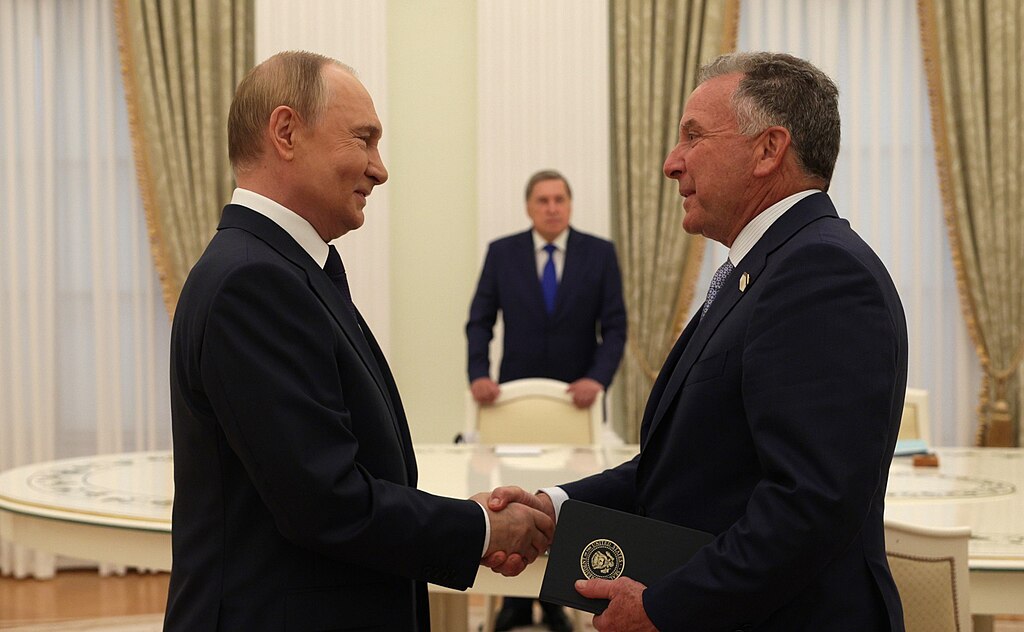
U.S. intelligence reports continue to warn that Russian President Vladimir Putin remains intent on capturing all of Ukraine and potentially reclaiming territory beyond its borders, according to multiple sources familiar with classified assessments. These findings persist even as diplomatic negotiations aimed at ending the war suggest Russia could settle for significantly less territory than it originally sought. The most recent intelligence assessment, dated late September, reinforces conclusions that have remained consistent since Russia launched its full-scale invasion of Ukraine in 2022.
The intelligence paints a far more aggressive picture of Russia’s long-term goals than statements made by U.S. President Donald Trump and his peace negotiators, who have publicly said Putin is interested in ending the conflict. It also contradicts Putin’s repeated denials that Russia poses a broader threat to Europe. U.S. analysts largely align with European leaders and intelligence agencies, many of whom believe Moscow ultimately seeks to dominate all of Ukraine and potentially target former Soviet bloc states, including NATO members.
Russia currently occupies about 20% of Ukrainian territory, including most of Luhansk and Donetsk in the Donbas region, parts of Zaporizhzhia and Kherson, and Crimea. Putin has declared all four provinces and Crimea as Russian territory. Reports indicate the Trump administration is pressuring Kyiv to withdraw from remaining areas of Donetsk as part of a proposed peace deal, a move firmly rejected by Ukrainian President Volodymyr Zelenskiy and much of the Ukrainian public.
Negotiations led by Trump’s envoys, Jared Kushner and Steve Witkoff, have focused on a 20-point peace plan involving Ukraine, Russia, and European partners. While progress has been claimed, major disagreements remain over territorial concessions and security guarantees. European diplomats say proposed guarantees could include a largely European security force, U.S.-backed air patrols, intelligence support, and Senate-ratified commitments designed to deter future Russian aggression.
Despite diplomatic efforts, uncertainty remains over whether Putin would accept such guarantees, as Russia continues to push uncompromising territorial demands. U.S. officials acknowledge the possibility that Putin’s ultimate objective of controlling Ukraine has not changed, raising doubts about the durability of any potential peace agreement.







