


 U.S., Iran, Oman Near Interim Deal to Reopen Strait of Hormuz Amid Ceasefire Efforts
  China Vows Retaliation Over U.S. Ban on Chinese Robots, Power Inverters
  Appeals Court Rejects Trump Bid to Reinstate $100,000 H-1B Visa Fee
  Brazil Rejects Visas for Trump Officials Ahead of Presidential Election
  SEC Moves to Dismiss Insider Trading Case Against Trump-Pardoned Terren Peizer
  Global Leaders Push Back as Trump Imposes New Forced Labor Tariffs
  Trump Says U.S.-Iran Talks Progressing as Hopes Rise for Strait of Hormuz Reopening
  Ukraine Agrees to Protect Kazakhstan Oil Exports via Black Sea
  Mark Carney Jokes About Teleprompter, Takes Swipe at Trump
  Andy Burnham’s Social Media Strategy Boosts Labour Against Reform UK
  Trump Administration Weighs Executive Order on Vaccines and Autism Research
  Taiwan President Lai Oversees Coastal Strike Drills in Han Kuang War Games
  Bezalel Smotrich Faces Election Battle as Israel’s Far-Right Vote Fractures
  U.S. Unseals Charges Against Five Alleged CJNG Leaders, Raises Reward for New Cartel Chief
  Canada, US Hold Constructive Trade Talks as Tariff Negotiations Continue
  Trump Orders Section 301 Probe Into EU Tech Fines, Signals New Tariffs
  Trump Faces Tough Choices as Iran War Drags On


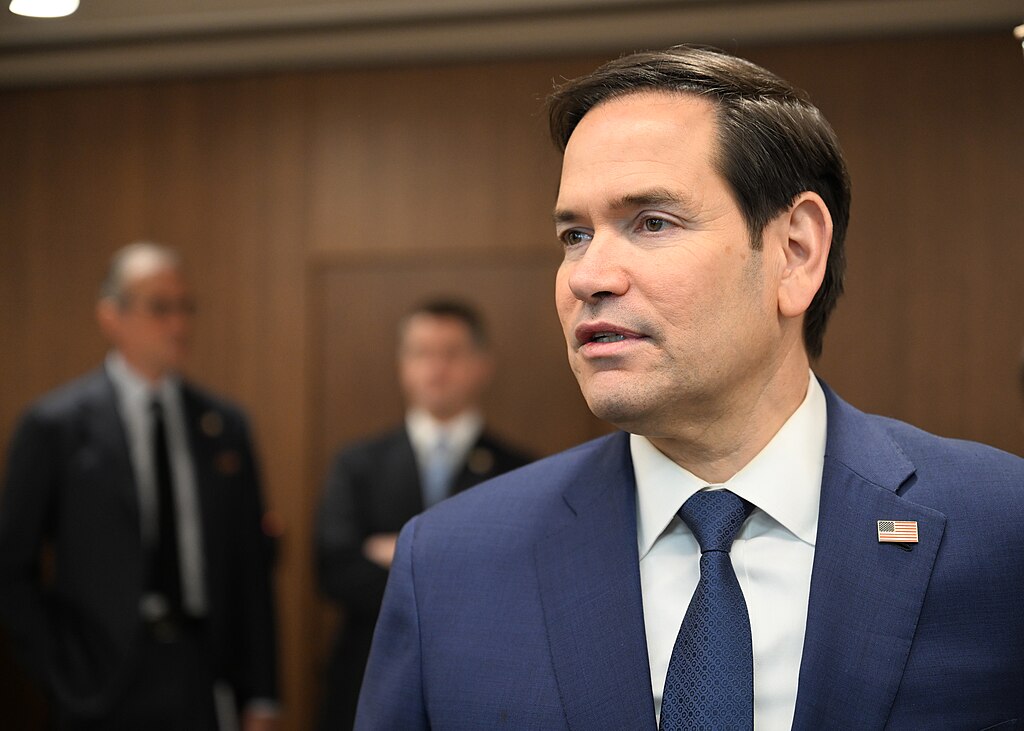
The United States has imposed new visa restrictions on Chinese officials over limited access to Tibet for American diplomats, journalists, and international observers, Secretary of State Marco Rubio announced Monday.
Rubio criticized the Chinese Communist Party (CCP) for blocking foreign access to the Tibet Autonomous Region (TAR) and surrounding Tibetan areas, while Chinese diplomats and media enjoy broad freedom in the U.S. “This lack of reciprocity is unacceptable and will not be tolerated,” he said, demanding “unrestricted access” for U.S. personnel.
While the statement did not identify which officials were targeted or specify details of the restrictions, it reflects growing U.S. frustration with Beijing’s policies in Tibet. Rubio also noted that U.S. diplomats are unable to support American citizens traveling in the region due to Chinese limitations.
China has controlled Tibet since 1950, calling it a "peaceful liberation" from feudal rule. However, Tibetan exiles and international human rights groups continue to denounce what they describe as China's oppressive governance, suppression of religious freedom, and cultural assimilation policies.
Despite tensions, the United States officially recognizes Tibet as part of China. Still, Washington has repeatedly urged Beijing to respect the rights of Tibetans and allow them to preserve their language, culture, and religious practices without government interference.
The move adds to a long list of disputes straining U.S.-China relations, including trade conflicts, technology bans, Taiwan, human rights issues, and concerns over the origins of COVID-19. As diplomatic tensions persist, the visa restrictions highlight ongoing international concern over human rights and access to restricted regions like Tibet.







