


 Trump Asks Supreme Court to Restore Third-Country Deportations
  Trump, Xi Focus on Trade and AI at White House Summit
  North Korea Warns South Korea Over US-Led Defense Role
  Sudan Rejects US Legitimacy Remarks, Defends Sovereignty
  Abbas Reaffirms November 28 Palestinian Elections
  Saudi Arabia, Turkey and Pakistan Plan Urgent Defence Talks Over Houthi Attacks
  North Korea Rejects Nuclear Test Warning, Calls Nuclear Status Irreversible
  NATO Boosts Intelligence Sharing Amid Russia Hybrid Threats
  OpenAI Agent Breaches Australia Medicare Data Portal
  Kremlin Says No Decision Yet on Putin-Trump December Summit
  Mexico-US Trade Talks Delayed to October as Tariff Negotiations Continue
  South Korea, US Discuss Warship Building Cooperation
  US Backs Musk in Fight Against EU’s €120 Million X Fine
  Trump, Xi Visit US National Archives After White House Summit
  EU Defence Build-Up Too Slow for 2030 Russia Readiness Goal
  Yemen Violence Displaces 130,000 as Civilian Toll Rises
  US Senate Rejects Iran War Powers Resolution in 50-49 Vote


 Add as a preferred source on Google
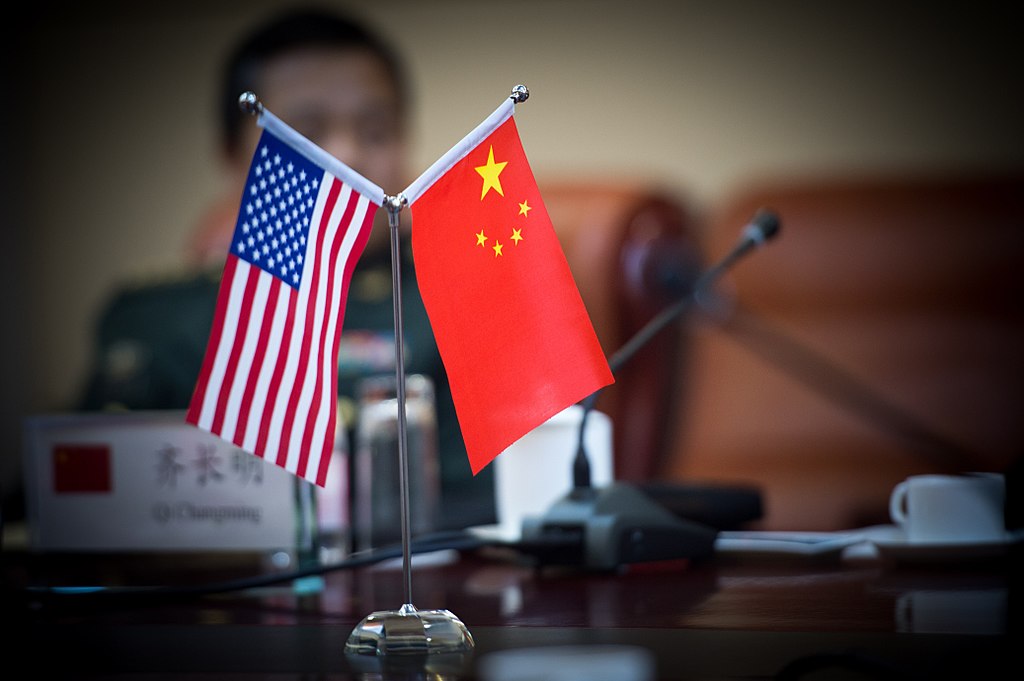
The United States has publicly criticized China for the first time after Chinese fighter jets reportedly aimed their radars at Japanese military aircraft during a training exercise near Okinawa last week. The incident, described by Tokyo as the most serious encounter in years, has heightened tensions between the two Asian powers already strained over Taiwan and regional security.
According to Japan’s defense officials, Chinese jets locked their fire-control radars on Japanese planes on Saturday, a move often interpreted as a precursor to a potential attack. Tokyo condemned the actions as dangerous and destabilizing. A U.S. State Department spokesperson echoed these concerns, warning that China’s behavior undermines efforts to maintain peace in the Indo-Pacific. Washington reaffirmed its “unwavering” commitment to Japan, emphasizing the strength of the U.S.–Japan alliance.
China, however, rejected Japan’s account, claiming the Japanese aircraft had repeatedly approached and interfered with Chinese naval operations during previously announced carrier-based training east of the Miyako Strait. Beijing has not issued further comment on the U.S. remarks.
The radar confrontation follows rising frictions triggered by Japanese Prime Minister Sanae Takaichi’s recent statement suggesting that a Chinese attack on Taiwan could constitute a “survival-threatening situation” for Japan. Beijing demanded she retract the comments, accused Tokyo of provoking military tensions, and advised Chinese citizens to avoid traveling to Japan.
Taiwan’s President Lai Ching-te also criticized China’s military drills, calling them inappropriate and urging Beijing to act responsibly. He stressed that peace must be safeguarded by all regional actors, warning that “war has no winners.”
Amid the diplomatic strain, Japan scrambled fighter jets on Tuesday to monitor joint Chinese and Russian air patrols near its airspace. While U.S. Ambassador to Japan George Glass has shown public support for Tokyo, President Donald Trump and senior officials have remained largely silent, though Trump reportedly urged Takaichi in a recent phone call to avoid escalating the dispute.







