


 US Backs Musk in Fight Against EU’s €120 Million X Fine
  Kremlin Says No Decision Yet on Putin-Trump December Summit
  Trump Asks Supreme Court to Restore Third-Country Deportations
  Trump, Xi Focus on Trade and AI at White House Summit
  Netanyahu’s Brief US Trip Highlights Strains With Trump
  Xi Calls for Deeper U.S.-China AI Cooperation in Trump Talks
  Taiwan Thanks US for Support Ahead of Trump-Xi Summit
  North Korea Rejects Nuclear Test Warning, Calls Nuclear Status Irreversible
  Russian Missile and Drone Attack on Kyiv Kills Two, Damages Maternity Hospital
  OpenAI Agent Breaches Australia Medicare Data Portal
  Judge Orders Trump to Restore White House Access for CNN, MS NOW and Politico
  Netanyahu Defends Israel at UN as Delegates Stage Walkout
  Saudi Arabia, Turkey and Pakistan Plan Urgent Defence Talks Over Houthi Attacks
  Ghana Says Western Support Growing for Slave Trade Reparations
  Abbas Reaffirms November 28 Palestinian Elections
  NATO Boosts Intelligence Sharing Amid Russia Hybrid Threats
  South Korea, US Discuss Warship Building Cooperation


 Add as a preferred source on Google
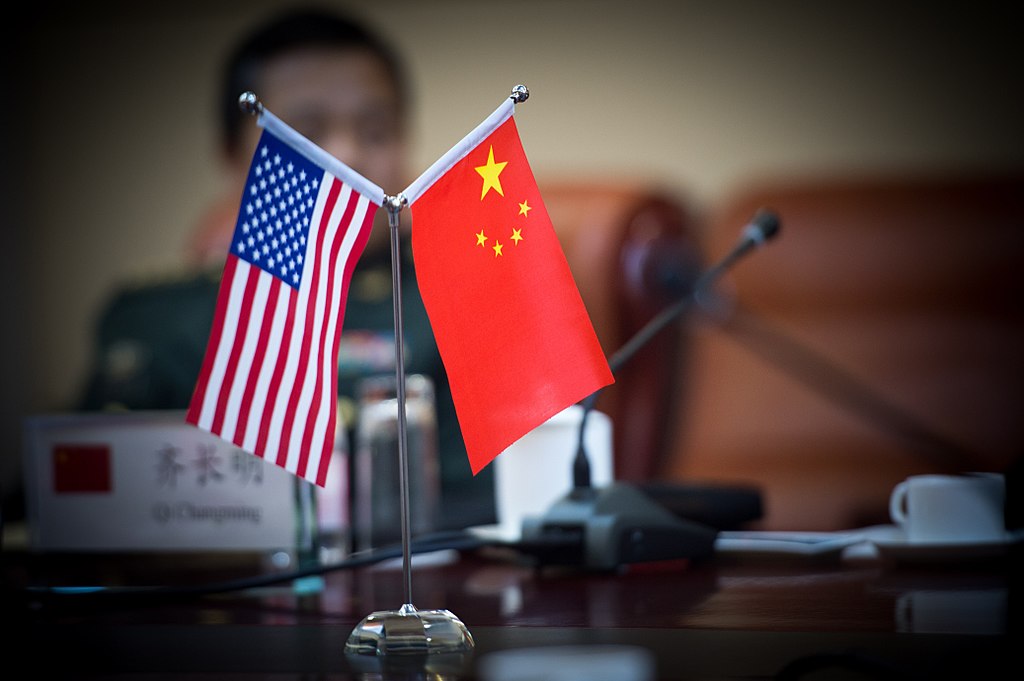
The United States and China concluded high-level trade talks in Geneva with both sides signaling progress but withholding specific details. U.S. Treasury Secretary Scott Bessent and Trade Representative Jamieson Greer announced a "deal" aimed at reducing the U.S. trade deficit, while Chinese Vice Premier He Lifeng said the nations had reached "important consensus" and would release a joint statement on Monday.
While no mention was made of reducing steep tariffs—currently 145% on Chinese imports and 125% on U.S. goods—the tone marked a sharp shift toward de-escalation. Greer emphasized "substantial progress" and described the agreement as a step toward resolving the $1.2 trillion U.S. global trade deficit. China echoed a positive outlook, calling the talks “candid, in-depth, and constructive.”
The talks marked the first in-person meeting of senior economic officials since former President Trump declared a national emergency over trade and initiated tariff hikes earlier this year. Despite no clear rollback of tariffs, a new bilateral consultation mechanism was announced to manage future trade and economic issues.
The World Trade Organization welcomed the outcome, with Director General Ngozi Okonjo-Iweala urging continued cooperation. However, WTO challenges to U.S. tariffs remain stalled due to a lack of judges.
White House economic adviser Kevin Hassett confirmed China’s eagerness to rebalance trade relations and hinted at more trade deals in the pipeline, including talks with the UK and other nations. Trump also praised the negotiations on his Truth Social account, calling it a “total reset.”
The meetings took place at a secure villa in Cologny, Switzerland, chosen for its neutrality. The U.S. aims to reduce its $295 billion trade gap with China and encourage a shift away from China’s export-driven economic model.







