


 Netanyahu Takes Aim at Mamdani as Israel Election Nears
  Ghana Says Western Support Growing for Slave Trade Reparations
  Saudi Arabia, Turkey and Pakistan Plan Urgent Defence Talks Over Houthi Attacks
  Mexico-US Trade Talks Delayed to October as Tariff Negotiations Continue
  North Korea Warns South Korea Over US-Led Defense Role
  Pezeshkian Says US Must Choose When Iran War Ends
  France Defends Netanyahu Airspace Clearance Despite ICC Warrant
  Trump, Xi Visit US National Archives After White House Summit
  What ‘Taiwan Independence’ Means as Xi Presses Trump on US Policy
  NATO Boosts Intelligence Sharing Amid Russia Hybrid Threats
  Ukrainian Drone Attacks Hit Russian Regions, Injuring at Least 12
  Trump Asks Supreme Court to Restore Third-Country Deportations
  Netanyahu Defends Israel at UN as Delegates Stage Walkout
  North Korea Rejects Nuclear Test Warning, Calls Nuclear Status Irreversible
  Netanyahu’s Brief US Trip Highlights Strains With Trump
  EU Defence Build-Up Too Slow for 2030 Russia Readiness Goal
  Russian Missile and Drone Attack on Kyiv Kills Two, Damages Maternity Hospital


 Add as a preferred source on Google
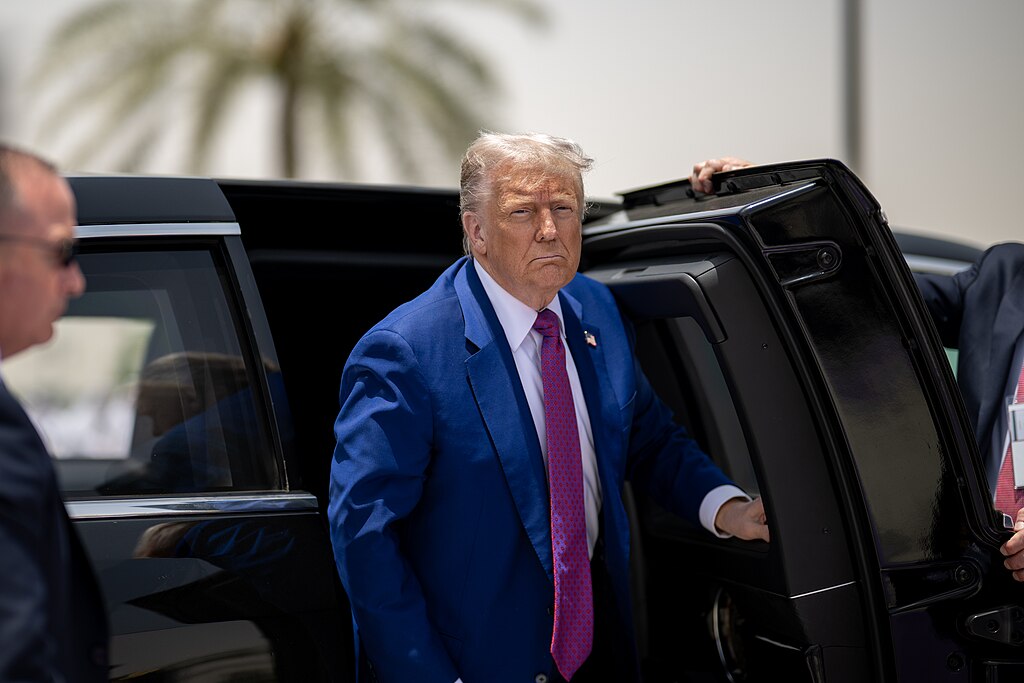
The United States launched a dramatic military operation against Venezuela, capturing its long-serving president Nicolas Maduro and triggering widespread international controversy. U.S. President Donald Trump announced that American forces detained Maduro during an overnight raid that reportedly disrupted electricity in parts of Caracas. According to Trump, the operation targeted a safe house used by the Venezuelan leader, marking the most direct U.S. intervention in Latin America in decades.
Trump said Maduro and his wife, Cilia Flores, were flown to the United States, with multiple media outlets reporting their arrival at Stewart International Airport in upstate New York. Video footage showed U.S. personnel boarding the aircraft, while major television networks identified Maduro among those disembarking. Maduro is expected to appear in Manhattan federal court on charges including narco-terrorism conspiracy, while Flores faces allegations related to cocaine importation. Both are reportedly being held at the Metropolitan Detention Center in Brooklyn.
At a press conference in Florida, Trump declared that the United States would temporarily oversee Venezuela to ensure what he described as a “safe and proper transition.” However, he offered few details on how Washington would govern the country, acknowledging that U.S. forces currently have no control on the ground. Venezuelan officials, led by Vice President Delcy Rodriguez, condemned the action as a “kidnapping” and demanded Maduro’s immediate release, insisting his government remains in power.
Inside Venezuela, the situation remained tense but largely calm, with soldiers patrolling key areas and small pro-Maduro demonstrations forming. Some citizens expressed relief, while others feared a power vacuum. Trump ruled out cooperation with opposition leader Maria Corina Machado, a move that angered her supporters and added to uncertainty about Venezuela’s political future.
International reactions were sharply divided. Argentina praised what it called Venezuela’s new “freedom,” while Mexico and Brazil condemned the intervention. Critics compared the move to past U.S. regime-change operations and warned it undermines American credibility globally. Trump, however, defended the action, saying the United States would be reimbursed through Venezuela’s oil resources.
The United Nations Security Council is set to meet as protests erupted outside the White House, highlighting the far-reaching consequences of one of the most controversial U.S. foreign policy actions in recent history.







