


 Colombia President Abelardo De La Espriella Pledges Drug Crackdown, Economic Reforms
  Canada, US Hold Constructive Trade Talks as Tariff Negotiations Continue
  Iran-Oman Near Strait of Hormuz Deal as Shipping Tensions Persist
  Ukraine Agrees to Protect Kazakhstan Oil Exports via Black Sea
  US Continues Ukraine Patriot Missile Production Talks Despite Trump Doubts
  Russian Strikes Kill Six in Eastern and Northern Ukraine, Dozens Injured
  Russia Intensifies Drone and Bomb Attacks on Ukraine’s Zaporizhzhia, Deepening Civilian Fear
  Bezalel Smotrich Faces Election Battle as Israel’s Far-Right Vote Fractures
  Trump Orders Probe Into Pentagon Munitions Stockpile Leaks After Iran Conflict
  Germany Warns of Daily Hybrid Warfare Threats
  North Korea May Deploy 120 Missiles to Russia
  Trump Faces Tough Choices as Iran War Drags On
  Rubio, UK’s Miliband Stress Stronger European Security Role in Washington Talks
  Taiwan President Lai Oversees Coastal Strike Drills in Han Kuang War Games
  Joe Biden’s Prostate Cancer Has Spread Further, Hunter Biden Says
  Trump Unveils $3 Billion U.S. Critical Minerals Push
  US-Backed Venezuela Government, Opposition Talks Begin


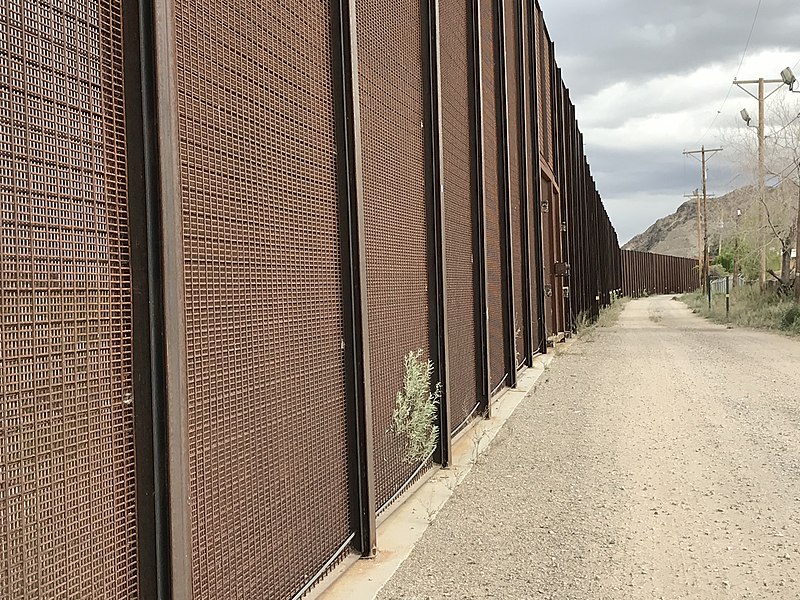
US President Joe Biden visited the US-Mexico border over the weekend as the long-running issue of immigration continues to be the most politically charged in the country. This follows the immigration measures the Biden administration announced days prior that tightened migrant expulsions and opened legal pathways.
Biden visited the border on Sunday, accompanied by Border Patrol agents, and toured a part of the border wall that divides the United States and Mexico – a key immigration policy from Biden’s immediate predecessor Donald Trump who took a more hardline stance on immigration. Along with Homeland Security chief Alejandro Mayorkas, Biden also visited the Bridge of the Americas that connected the US and Mexico and looked at Border Patrol agents' equipment to detect illegal drugs.
The US leader hoped to strengthen relations with Border Patrol agents, some of whom did not like the rollback of hardline immigration policies by the White House.
This follows the administration’s move on Thursday last week to unveil new immigration policies. Biden said Cuban, Nicaraguan, and Haitian migrants caught illegally entering the country would be expelled, further expanding the nationalities who would be turned back to Mexico. At the same time, the US leader opened legal pathways for migrants from the three countries and Venezuela to enter, allowing 30,000 migrants from each country to enter the US by air.
The measures received a mixed response. While some US industry groups are looking to solve a labor shortage crisis, some of Biden’s fellow Democrats say the new restrictions are a walk back from Biden’s 2020 campaign promise to restore rights to asylum-seekers. Mayorkas rejected the notion that the new measures are a revival of Trump-era clampdowns.
The day before Biden’s visit, US and Mexico immigration officials met in El Paso on Saturday. Border Patrol officials met with Mexico immigration chief Francisco Garduno, according to Mexico’s Immigration Institute, on Friday last week. The meeting aimed “to coordinate actions to prevent migrants from being exposed to risks,” according to the institute.
The institute added that a cold front was expected that would result in temperatures dropping in the area close to the border, and 200 Mexican immigration agents were dispatched to provide humanitarian aid, including shelters, blankets, and hot drinks.







