


 Trump Orders DOJ Investigation Into Exxon, Chevron Over High Gas Prices
  Marco Rubio Seeks Gulf Support for U.S.-Iran Peace Deal Amid Regional Concerns
  Japan Signals Preference for Low Interest Rates as BOJ Policy Debate Intensifies
  US Reaffirms Taiwan Arms Sales Policy Despite Trump’s Comments on China
  US Seeks Gulf Support for Iran Peace Deal Amid Regional Tensions
  Israel Heritage Bill Sparks Annexation Concerns in West Bank
  U.S. Eases Iran Team Travel Restrictions Ahead of Seattle World Cup Match
  Iran Strait of Hormuz Tensions Rise After Ship Attack Delays IMO Escort Mission
  US Approves $250 Million Fighter Jet Training Sale to Australia
  US Senate Approves War Powers Resolution Urging Trump to End Iran Military Action
  White House Seeks $87.6 Billion Emergency Funding for Iran War, Farmers, and Ebola Response
  Trump Requests $11 Billion More in Farm Aid as Rising Costs Pressure U.S. Farmers
  ICC Judges Sue Trump Administration Over Sanctions, Calling Measures Unlawful
  Republican Lawmaker Introduces AI Incident Reporting Bill to Strengthen U.S. AI Safety
  US Urges States and Businesses to Strengthen Taiwan Ties Amid China Pressure


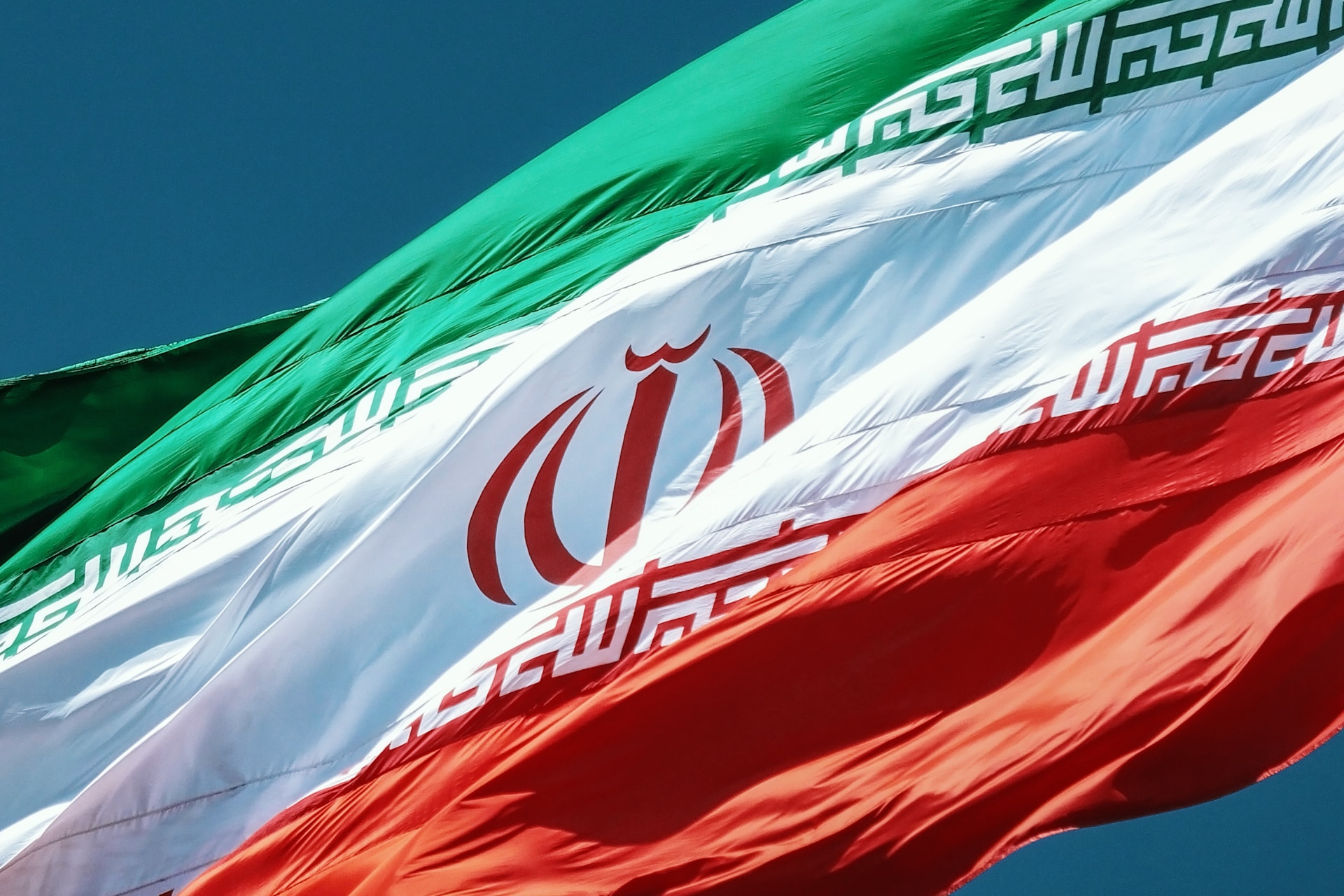
United Nations sanctions on Iran are set to be reimposed on Saturday, intensifying global tensions over Tehran’s nuclear activities. The move follows accusations that Iran violated the 2015 nuclear deal, originally signed with the United States, Britain, France, Germany, Russia, and China, which aimed to prevent the country from developing nuclear weapons. The sanctions, reinstated through the E3’s (Britain, France, Germany) snapback mechanism, are scheduled to take effect at 8 p.m. EDT (0000 GMT).
Iran has warned of a harsh response, though President Masoud Pezeshkian attempted to downplay the development, saying, “It is not like the sky is falling.” Foreign Minister Abbas Araqchi criticized European powers for failing to engage with Tehran’s proposals to keep diplomacy alive. Despite offers from the E3 to delay sanctions in exchange for renewed cooperation with U.N. inspectors and talks with the U.S., negotiations collapsed.
The reinstated sanctions, originally imposed between 2006 and 2010, include an arms embargo, bans on uranium enrichment and reprocessing, restrictions on ballistic missile development, and prohibitions on Iran’s participation in nuclear-related commercial activity. In addition, dozens of Iranian officials and entities will face travel bans and asset freezes. All U.N. member states will be authorized to seize prohibited items tied to Iran’s nuclear program.
Tehran announced it is recalling ambassadors from Britain, France, and Germany for consultations. Despite its defiance, Iran confirmed it will not withdraw from the Non-Proliferation Treaty. However, the nation’s economy faces further strain. Already weakened by U.S. sanctions since 2018, Iran’s rial currency plummeted to a record low of 1,123,000 per U.S. dollar, sparking fears of deeper financial turmoil.
While Russia condemned the move as unlawful, warning U.N. Secretary-General Antonio Guterres against recognizing the sanctions, the European Union is preparing to reimpose its own restrictions next week. With tensions rising in the Middle East following recent attacks on Iranian nuclear sites, the collapse of the nuclear deal signals an uncertain and potentially volatile period ahead.







