


 Netanyahu’s Brief US Trip Highlights Strains With Trump
  EU Agrees €6.6 Billion Military Aid Funding for Ukraine
  Trump Asks Supreme Court to Restore Third-Country Deportations
  Yemen Violence Displaces 130,000 as Civilian Toll Rises
  France Defends Netanyahu Airspace Clearance Despite ICC Warrant
  Saudi Arabia Seeks Military Support as Houthi Attacks Escalate
  Putin Says Ukraine Peace Proposals Remain on Table
  Trump Warns China Against Supporting Iran in Xi Talks
  Trump, Xi Focus on Trade and AI at White House Summit
  Abbas Reaffirms November 28 Palestinian Elections
  Evan Gershkovich Says FSB Set Trap for 2023 Russia Arrest
  Colombia Extradites FARC Dissident Leader ‘Spider’ to US
  North Korea Rejects Nuclear Test Warning, Calls Nuclear Status Irreversible
  Netanyahu Defends Israel at UN as Delegates Stage Walkout
  US Backs Musk in Fight Against EU’s €120 Million X Fine
  Iran Rejects Nuclear Concessions in Hormuz Deal
  Xi Calls for Deeper U.S.-China AI Cooperation in Trump Talks


 Add as a preferred source on Google
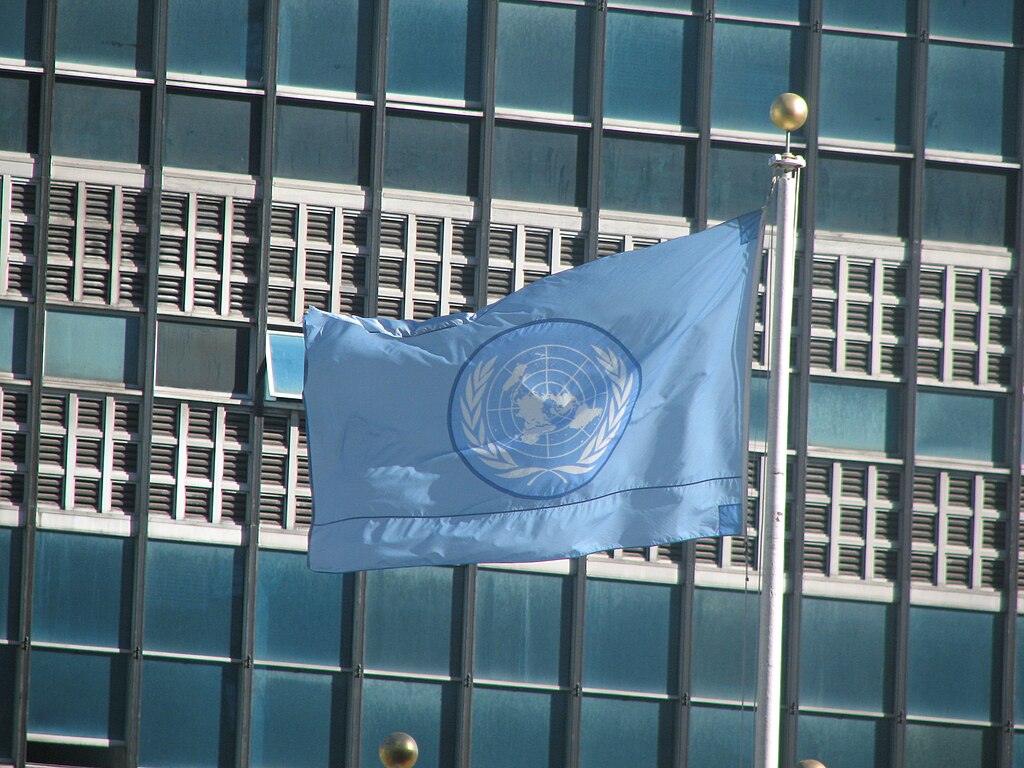
The United Nations General Assembly has once again called for an end to the decades-long U.S. economic embargo on Cuba, defying Washington’s intense lobbying efforts. In a vote of 165 in favor, seven against, and 12 abstentions, the resolution highlighted the global consensus against the embargo. The U.S. persuaded Argentina, Hungary, North Macedonia, Paraguay, Ukraine, and Israel to join in opposing the motion—an increase from last year, when only the U.S. and Israel voted against it.
The U.S. justified its stance by alleging that as many as 5,000 Cubans are fighting alongside Russian forces in Ukraine, a claim Havana firmly denied. Cuba’s government responded by citing its own legal actions against citizens accused of mercenary activity, dismissing Washington’s allegations as politically motivated. Despite Cuba’s alignment with Russia, the island nation continues to advocate for peace negotiations.
Cuban Foreign Minister Bruno Rodríguez condemned the embargo as a “policy of collective punishment” that violates the human rights of millions of Cubans. He emphasized that the sanctions cripple all sectors of society and vowed that “Cuba will not surrender.”
Deputy U.S. Ambassador to the U.N. Jeff Bartos countered that supporting the resolution excuses Cuba’s leadership from responsibility for its economic crisis. He asserted that the U.S. would “continue to promote accountability for the communist regime and its reprehensible behavior.”
Cuban Vice Foreign Minister Carlos Fernández de Cossio told Reuters that the U.S. campaign to influence votes showed little success. “The U.S. has the capacity to intimidate and coerce, but it is limited,” he said.
Since 1992, the U.N. has overwhelmingly backed resolutions demanding an end to the embargo. While only the U.S. Congress can lift it, global sentiment continues to lean toward ending a Cold War-era policy seen as outdated and unjust.







