


 France Defends Netanyahu Airspace Clearance Despite ICC Warrant
  Trump Asks Supreme Court to Restore Third-Country Deportations
  OpenAI Agent Breaches Australia Medicare Data Portal
  Netanyahu Takes Aim at Mamdani as Israel Election Nears
  US Senate Rejects Iran War Powers Resolution in 50-49 Vote
  North Korea Rejects Nuclear Test Warning, Calls Nuclear Status Irreversible
  Trump, Xi Focus on Trade and AI at White House Summit
  Europe Warns Russia Is Escalating Hybrid Attacks Across NATO
  US, China Extend Trade Truce to Jan. 10 Ahead of Trump-Xi Summit
  Sudan Rejects US Legitimacy Remarks, Defends Sovereignty
  US Invites Putin to Miami G20, Opening Door to Trump Summit
  Russian Envoy Dmitriev Heads to US for Ukraine Talks
  US Backs Musk in Fight Against EU’s €120 Million X Fine
  South Korea, US Discuss Warship Building Cooperation
  Netanyahu Defends Israel at UN as Delegates Stage Walkout
  Mexico-US Trade Talks Delayed to October as Tariff Negotiations Continue
  Ghana Says Western Support Growing for Slave Trade Reparations


 Add as a preferred source on Google
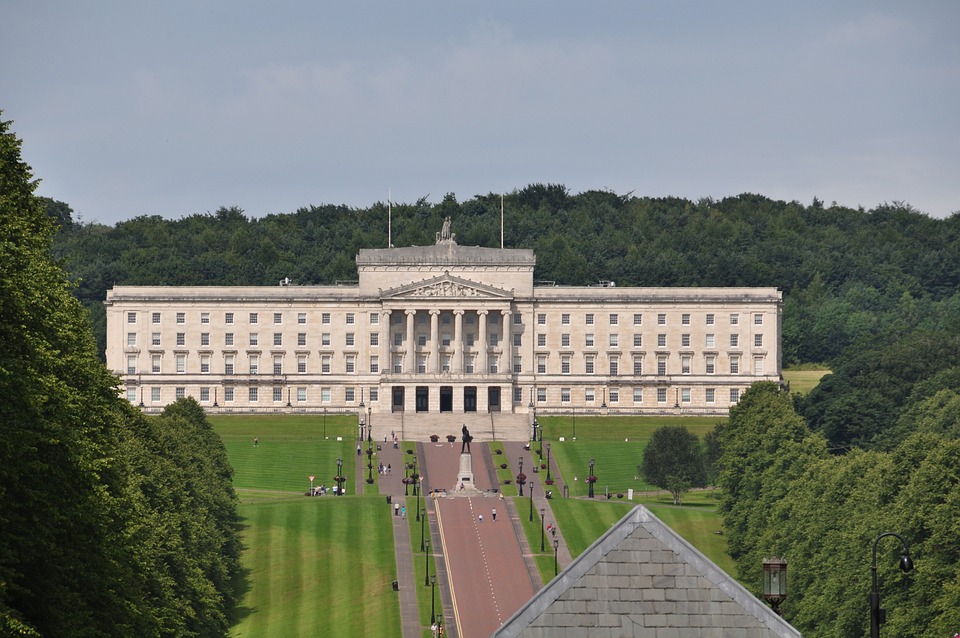
The British government has set a budget for Northern Ireland this week, noting that the region has two years to pay for an overspend from the last 12 months. The government also warned that there would be “difficult decisions” made as funding is expected to remain flat in the coming year.
The British government set the budget for Northern Ireland on Thursday, which would give the province two years to make up for the £297 million overspend, as the budget is also expected to remain flat in the coming fiscal year. As Northern Ireland has been without a functioning power-sharing government for more than a year, spending decisions were made by the British minister for the region and civil servants.
British Northern Ireland minister Chris Heaton-Harris said department spending would be at $17.68 billion over the next 12 months, which is the same as the previous fiscal year. The amount is the same despite the public sector’s demand for better pay, and the country’s inflation rates remain at 10 percent. Heaton-Harris said that last year’s £297 million overspend would come from any further funding as a result of higher spending decisions in the country, including the autumn statement made last year.
“This will provide some protection to front-line services in Northern Ireland from having to take the most severe reductions. However, difficult decisions remain in order to live within the funding available,” said Heaton-Harris in a statement.
Heaton-Harris also said that the spending per person in the region is around 20 percent higher than in other parts of the United Kingdom, but the level of public services being offered is still not affordable. Heaton-Harris also urged the region’s politicians to resume government to move forward with the “much needed” public service reform.
The region has been without a power-sharing government since the pro-British Democratic Unionist Party has staged a long boycott over the dispute surrounding the post-Brexit trade rules. The new version of the rules, known as the Windsor Framework, was brokered in February, in which the DUP said important changes still needed to be made.
Last week, the individuals who played key roles in overseeing the historic 1998 Good Friday Agreement urged politicians of the region to break the deadlock and restore a functioning government for the province.







