


 Gaza Faces Evacuation Crisis as War-Damaged Buildings Risk Collapse
  Judge Orders Trump to Restore White House Access for CNN, MS NOW and Politico
  Taiwan Thanks US for Support Ahead of Trump-Xi Summit
  North Korea Warns South Korea Over US-Led Defense Role
  Netanyahu Takes Aim at Mamdani as Israel Election Nears
  Pezeshkian Says US Must Choose When Iran War Ends
  Russian Missile and Drone Attack on Kyiv Kills Two, Damages Maternity Hospital
  North Korea Rejects Nuclear Test Warning, Calls Nuclear Status Irreversible
  Russian Envoy Dmitriev Heads to US for Ukraine Talks
  Mexico-US Trade Talks Delayed to October as Tariff Negotiations Continue
  NATO Boosts Intelligence Sharing Amid Russia Hybrid Threats
  OpenAI Agent Breaches Australia Medicare Data Portal
  Yemen Violence Displaces 130,000 as Civilian Toll Rises
  Ghana Says Western Support Growing for Slave Trade Reparations
  Sudan Rejects US Legitimacy Remarks, Defends Sovereignty
  France Defends Netanyahu Airspace Clearance Despite ICC Warrant
  Trump Asks Supreme Court to Restore Third-Country Deportations


 Add as a preferred source on Google
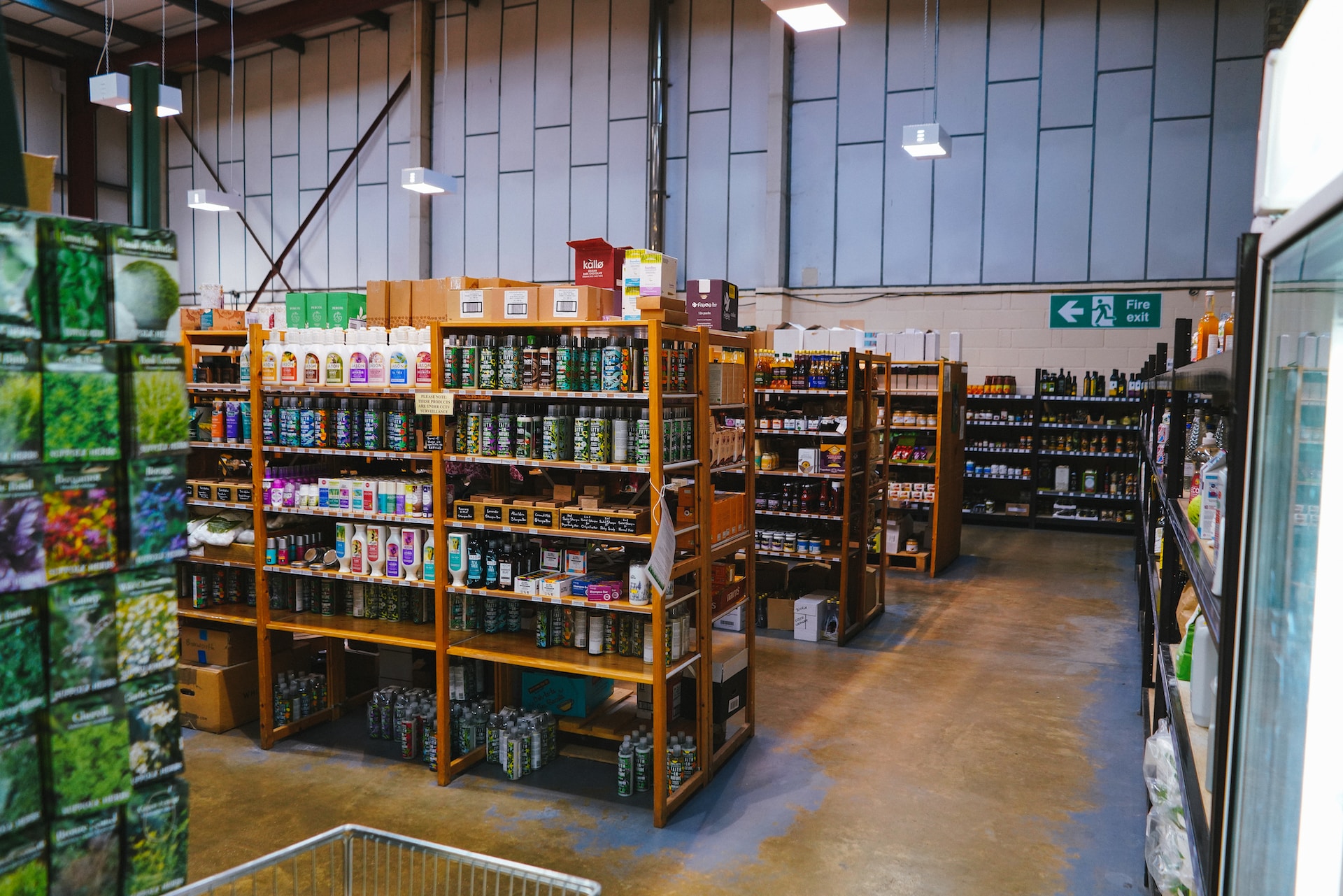
The British government will reportedly ask supermarkets in the country to cap the prices of basic food items. The reported plan comes at a time when the cost of such items was skyrocketing.
The Telegraph reported over the weekend that the government is considering plans to ask supermarkets in the United Kingdom to cap the prices of basic food items like bread and milk as the prices of such items were rising. When pressed about the reported measure, however, British health minister Steve Barclay told BBC TV it “was not my understanding.”
“My understanding is that the government is working constructively with supermarkets as to how we address the very real concerns around food inflation and the cost of living and doing so in a way that is also very mindful to the impact on suppliers,” said Barclay.
The Telegraph’s report on Saturday said British Prime Minister Rishi Sunak’s office is holding discussions with the country’s retailers on a deal similar to that in France, where major retailers are charging “the lowest possible amount.”
The UK has the highest inflation rate for food in Western Europe, with prices having increased by 19 percent in the past year, the worst since the 1970s. Budgets in households have also experienced strain due to the rising energy prices partly fueled by the ongoing war in Ukraine. Major supermarkets in the UK like Tesco’s and Sainsbury’s have announced price cuts on certain food items in recent weeks.
On Tuesday, a survey by the British Retail Consortium showed that shop price inflation in the UK went up its highest rate this month since industry records started in 2005, even as growth in food prices slowed down. The BRC said that prices in supermarkets and retail chains went up by nine percent in May, following an 8.8 percent increase back in April.
The survey also said that food price inflation slowed from 15.7 percent to 15.4 percent. The latest data followed last month’s numbers that showed annual consumer price inflation slowed down in April from 10.1 percent to 8.7 percent. Official food price inflation went from 19.2 percent to 19.1 percent.
Photo: Phil Hearing/Unsplash







