


 Marco Rubio to Meet Russia’s Lavrov in New York
  Russian Strikes Kill Eight Across Ukraine as Energy Sites Hit
  Iran Vows ‘Crushing’ Response as US Talks Continue
  Europe Warns Russia Is Escalating Hybrid Attacks Across NATO
  Gaza Faces Evacuation Crisis as War-Damaged Buildings Risk Collapse
  Trump to Press Xi on Release of US Nuclear Expert Held in China
  China Tightens Fentanyl Rules Ahead of Trump-Xi Summit
  Burnham Eyes UK Leadership Role in AI Ahead of Trump Meeting
  Scott Bessent Eyed as Trump’s New AI Czar
  Taiwan Vows to Advance US Arms Sales Ahead of Trump-Xi Meeting
  Trump Meets Venezuela’s Delcy Rodriguez at UN Assembly
  Trump Says ‘Freedom’ Is Coming to Cuba
  US Officials Split Over Response to Israeli West Bank Settlements
  Trump Board of Peace Unveils $2.45 Billion Gaza Recovery Plan
  Sudan Rejects US Legitimacy Remarks, Defends Sovereignty
  Russian Envoy Dmitriev Heads to US for Ukraine Talks
  Trump Says U.S.-Iran Peace Deal Near After UN Talks


 Add as a preferred source on Google
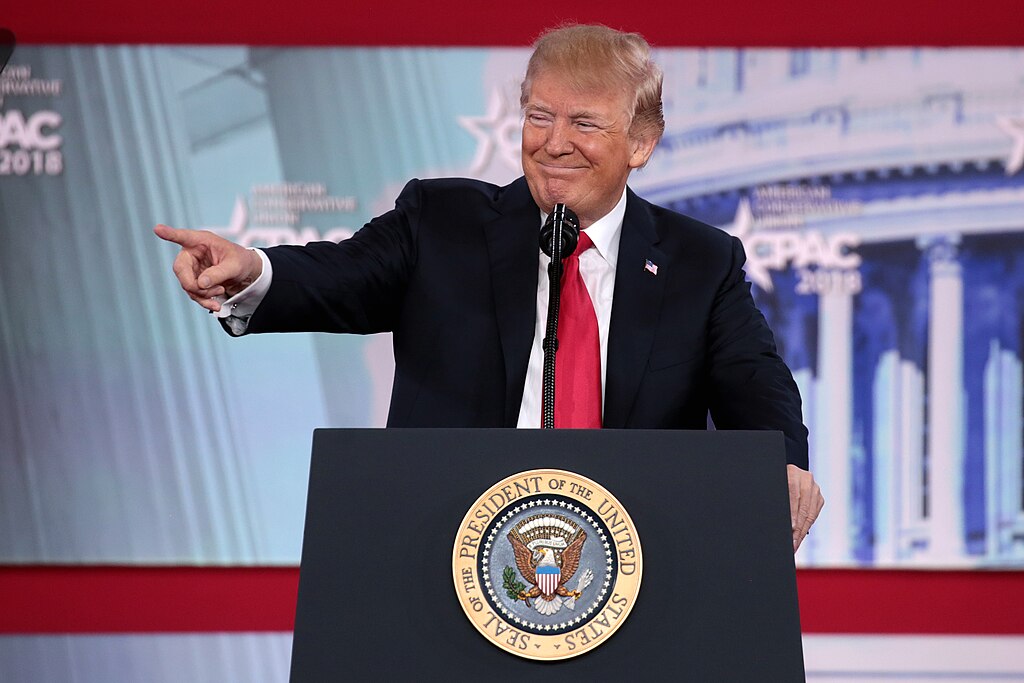
Following the sentencing of José Ibarra, an undocumented immigrant convicted of murdering 22-year-old nursing student Laken Riley, ABC News correspondent Ike Ejiochi's coverage has ignited a firestorm of criticism. Ejiochi's reporting, which some perceive as attributing the tragedy to former President Donald Trump's policies, has been met with vehement opposition from various quarters.
The Controversial Coverage
In his segment, Ejiochi referred to the case as a "political lightning rod," suggesting that the incident has been politicized by different factions. Critics argue that this framing deflects responsibility from current immigration policies and unfairly implicates the previous administration.
Public Outcry
The response on social media has been swift and intense:
-
@JusticeForLaken: "Blaming Trump for this heinous act is absurd. The current administration's lax policies are to blame."
-
@MediaWatchdog: "Ejiochi's biased reporting is a disservice to journalism. Hold the right people accountable."
-
@ConcernedCitizen: "This tragedy should not be politicized. Focus on justice for Laken, not partisan blame games."
Political Reactions
Conservative commentators have seized upon Ejiochi's coverage as evidence of media bias. They contend that the focus should be on the current administration's immigration policies, which they believe allowed Ibarra to remain in the country. Supporters of former President Trump argue that stricter enforcement during his tenure would have prevented such incidents.
ABC News' Position
ABC News has stood by Ejiochi's reporting, emphasizing the importance of examining all factors contributing to the tragedy. The network maintains that understanding the broader political context is essential for comprehensive journalism.
Broader Implications
This controversy underscores the challenges media outlets face in covering sensitive issues involving crime and immigration. Balancing factual reporting with sensitivity to public sentiment remains a delicate task. The incident also highlights the ongoing debate over immigration policies and their real-world consequences.
Conclusion
The backlash against Ike Ejiochi's coverage of the Laken Riley case reflects deep-seated tensions in the national discourse on immigration and media responsibility. As the debate continues, it serves as a reminder of the complexities inherent in reporting on tragedies that intersect with political issues.







