


 Russian Strikes Kill Eight Across Ukraine as Energy Sites Hit
  Macron Challenges Trump’s Gaza Peace Claims at UN
  US Officials Split Over Response to Israeli West Bank Settlements
  Trump Says U.S.-Iran Peace Deal Near After UN Talks
  Venezuela Promises Elections as Delcy Rodriguez Pledges Democratic Transition
  Burnham Eyes UK Leadership Role in AI Ahead of Trump Meeting
  Lula and Flavio Bolsonaro Tied in Brazil Runoff Poll
  Gaza Faces Evacuation Crisis as War-Damaged Buildings Risk Collapse
  Scott Bessent Eyed as Trump’s New AI Czar
  Vietnam, US Trade Deal Could Be Signed Soon, To Lam Says
  Ghana Says Western Support Growing for Slave Trade Reparations
  Kremlin Says No Grounds Yet for Ukraine Peace Talks
  Taiwan Vows to Advance US Arms Sales Ahead of Trump-Xi Meeting
  Zelenskiy Warns Russia Preparing Major Attack on Ukraine
  Sudan Rejects US Legitimacy Remarks, Defends Sovereignty
  US Invites Putin to Miami G20, Opening Door to Trump Summit
  Trump Administration Plans Faster FDA Reviews for Smoke-Free Nicotine Products


 Add as a preferred source on Google
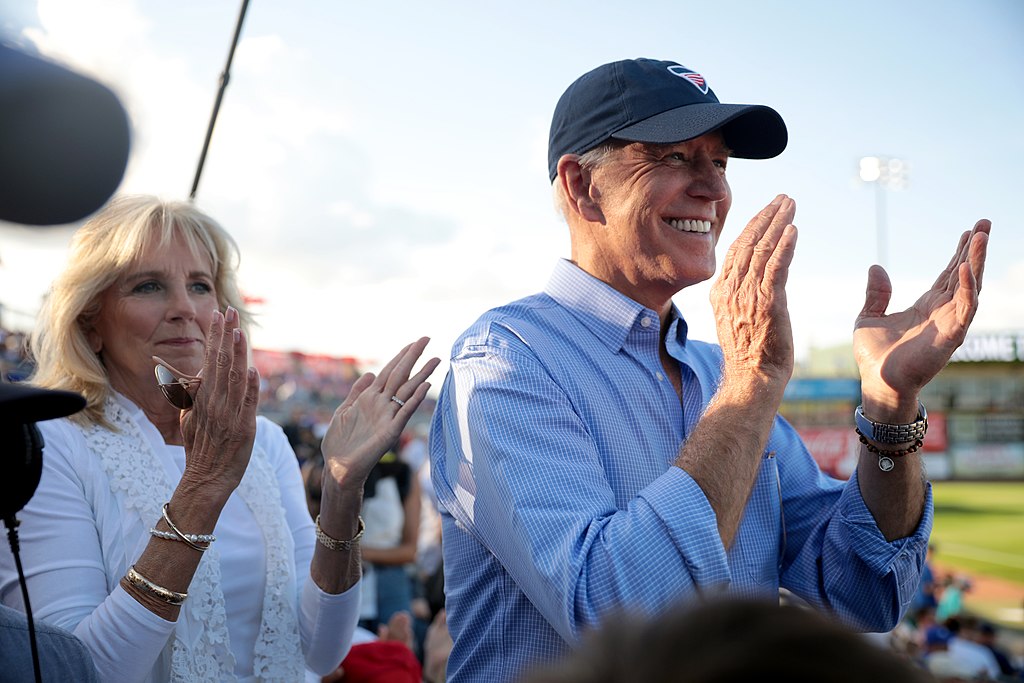
In a recent Newsweek op-ed, Ukrainian-American journalist Lev Golinkin criticized Washington's inconsistent reactions to U.S. presidents engaging with authoritarian leaders. Golinkin highlighted the contrasting responses to former President Donald Trump's and President Joe Biden's meetings with Saudi officials, suggesting a partisan bias in the perception of such diplomatic interactions.
Golinkin's Perspective
Golinkin argues that the U.S. political establishment exhibits selective outrage based on partisan affiliations. He points out that Trump's meetings with Saudi leaders were widely condemned, while similar engagements by Biden received comparatively muted criticism. This discrepancy, Golinkin contends, reflects a double standard in how political actions are judged.
Historical Context
During his tenure, Trump faced backlash for his close ties with Saudi Arabia, especially following the murder of journalist Jamal Khashoggi. Critics accused him of overlooking human rights abuses for strategic alliances. Conversely, Biden, who had previously vowed to make Saudi Arabia a "pariah," met with Saudi Crown Prince Mohammed bin Salman in 2022, a move that drew criticism but lacked the intensity directed at Trump's interactions.
Public Reaction
Golinkin's op-ed has sparked discussions on social media:
-
@PoliticalObserver: "Golinkin makes a valid point about the hypocrisy in political outrage."
-
@HumanRightsAdvocate: "Regardless of who is in office, we should consistently condemn engagements with oppressive regimes."
-
@NeutralAnalyst: "It's important to hold all leaders accountable, irrespective of party lines."
Implications
Golinkin's critique raises questions about the consistency of U.S. foreign policy and the influence of domestic politics on international relations. It suggests a need for a more uniform standard in evaluating presidential actions, especially concerning engagements with authoritarian regimes.
Conclusion
Lev Golinkin's op-ed challenges readers to reflect on the potential biases in political discourse and the importance of consistent standards when assessing diplomatic actions. His observations contribute to the ongoing debate about the role of partisanship in shaping public perception and policy decisions.







