


 China Tightens Fentanyl Rules Ahead of Trump-Xi Summit
  Gaza Faces Evacuation Crisis as War-Damaged Buildings Risk Collapse
  Marco Rubio to Meet Russia’s Lavrov in New York
  Trump Board of Peace Unveils $2.45 Billion Gaza Recovery Plan
  Trump Says ‘Freedom’ Is Coming to Cuba
  Kremlin Says No Grounds Yet for Ukraine Peace Talks
  Taiwan Thanks US for Support Ahead of Trump-Xi Summit
  Lula and Flavio Bolsonaro Tied in Brazil Runoff Poll
  Kremlin Says No Decision Yet on Putin-Trump December Summit
  Sudan Rejects US Legitimacy Remarks, Defends Sovereignty
  South Korea, US Discuss Warship Building Cooperation
  Europe Warns Russia Is Escalating Hybrid Attacks Across NATO
  Trump Administration Plans Faster FDA Reviews for Smoke-Free Nicotine Products
  Mexico-US Trade Talks Delayed to October as Tariff Negotiations Continue
  Taiwan Vows to Advance US Arms Sales Ahead of Trump-Xi Meeting
  OpenAI Agent Breaches Australia Medicare Data Portal
  Judge Orders Trump to Restore White House Access for CNN, MS NOW and Politico


 Add as a preferred source on Google
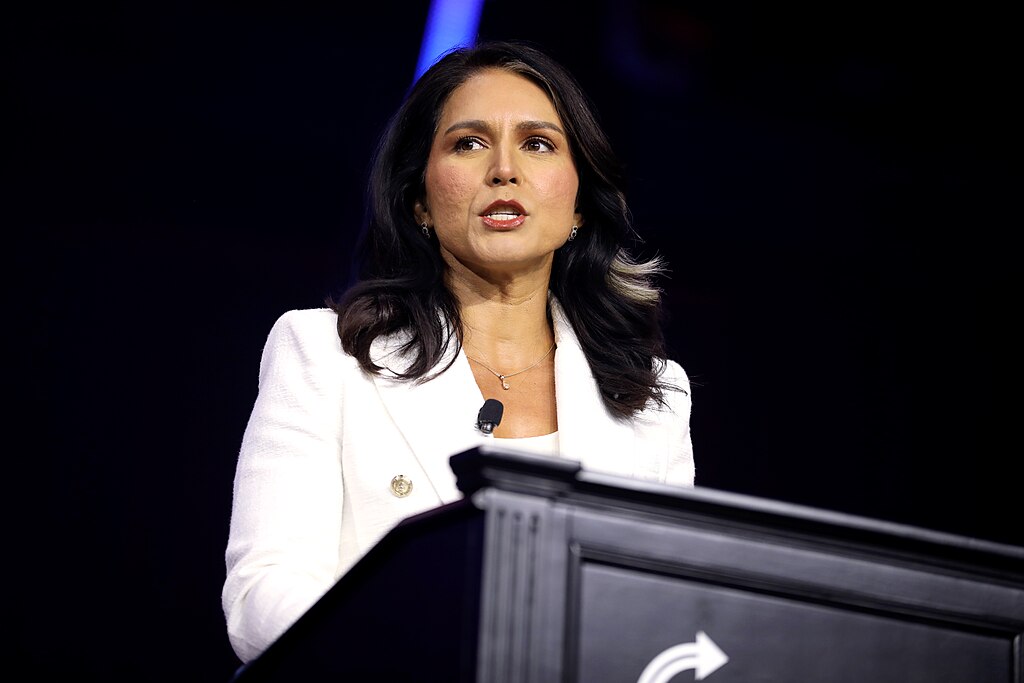
Former U.S. Representative Tulsi Gabbard, President Donald Trump's nominee for director of national intelligence, faced bipartisan scrutiny during her Senate confirmation hearing. Lawmakers challenged her past defense of NSA whistleblower Edward Snowden and comments perceived as favorable to Russia.
Gabbard, a former Democrat and combat veteran with limited intelligence experience, was pressed on her stance regarding Russia’s invasion of Ukraine, U.S. involvement in Syria, and her 2017 meeting with Syrian leader Bashar al-Assad. Senator Mark Warner confronted her about statements blaming NATO for Russia’s actions, while Republican Jerry Moran questioned whether she would hold Russia accountable. Gabbard firmly denied giving any country or individual a "pass."
Her past legislative efforts to drop charges against Snowden fueled further debate. When asked if she considered Snowden a traitor, she avoided a direct answer, stating her focus was on preventing future leaks. This drew criticism from both parties, particularly Democrat Michael Bennett. Gabbard acknowledged Snowden broke the law but argued his revelations exposed illegal government surveillance, leading to reforms.
Despite concerns, Republican Senator Tom Cotton supported her nomination, calling her views "unconventional" but necessary in Washington. However, with a divided Intelligence Committee, even one Republican defection could complicate her confirmation.
Gabbard’s opposition to Section 702 of the Foreign Intelligence Surveillance Act, which enables government surveillance, has also raised concerns. Though she later reversed her stance, her past positions continue to face scrutiny.
Trump’s nominee faces an uphill battle, needing near-unanimous Republican support to secure the role. The committee’s classified session with Gabbard could be pivotal, as Cotton aims for a swift vote.







