


 Philippines Confident in U.S. Defense Commitment Despite Middle East Redeployment
  US, South Korea Cut Joint Military Drills as Trump Seeks North Korea Talks
  South Korea’s Lee Calls for Stronger Defence as US Eyes Reduced Joint Drills
  Israel, Syria Discuss Turkey’s Military Presence Before Airstrike
  Trump Administration Allocates $206 Million for Gaza Peacekeeping Force
  Trump Says Kim Jong Un Responded to Outreach After US Scales Back South Korea Military Drills
  Russia-Ukraine Drone Attacks Escalate as Strikes Hit Moscow, Kyiv and Romania
  Trump Says Iran Talks Halted as Strait of Hormuz Dispute Fuels Oil Concerns
  Trump Eyes Kim Jong Un Meeting, Cites North Korea’s 57 Nuclear Weapons
  Pentagon Weighs Permanent U.S. Military Drawdown in Persian Gulf
  Gérald Darmanin Backs Édouard Philippe for 2027 French Presidential Election
  Gaza Zoo Struggles to Save Animals Amid War
  Prince Harry and Meghan Markle Reportedly Plan UK Move With Children
  Ukraine Names Yevhenii Khmara Defence Minister Amid Election Row
  Israeli Airstrikes Kill 10 Palestinians in Gaza as Ceasefire Diplomacy Stalls
  Trump Pauses 50% Canada Tariffs for Three Days as U.S. Trade Deal Takes Shape
  Trump Eyes 15% Tariff on Canadian Auto Imports in New Trade Deal


 Add as a preferred source on Google
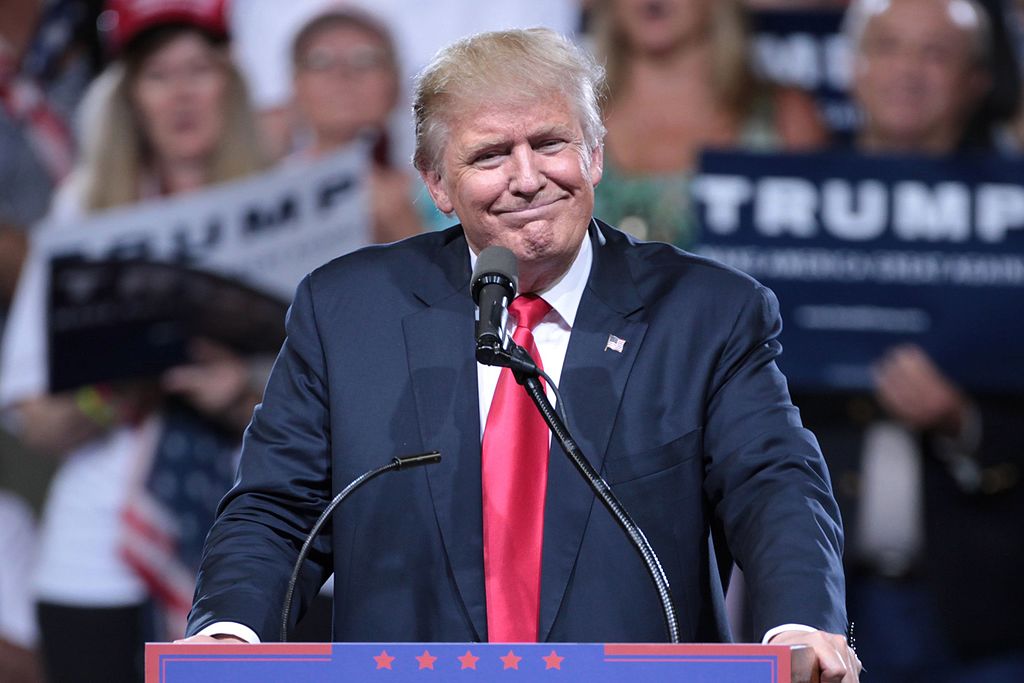
Claims surrounding U.S. deportation numbers under President-elect Donald Trump’s first term and President Joe Biden’s tenure have reignited a contentious debate over immigration policy. During a Senate Judiciary Committee hearing on Tuesday, Senator Lindsey Graham (R-S.C.) alleged that deportation rates “dropped like a rock” under Biden, contrasting with Trump’s purportedly robust efforts. However, data from the Department of Homeland Security (DHS) paints a more nuanced picture.
Graham’s remarks, backed by a chart illustrating a decline in removals during Biden’s first two years, fueled criticism of the current administration's immigration policies. Yet experts note discrepancies in Graham’s figures, highlighting the complexities of counting deportations and emphasizing the unparalleled numbers from President Barack Obama’s administration.
Obama’s “Deporter-in-Chief” Legacy Outpaces Trump and Biden
During his eight years in office, President Barack Obama oversaw nearly three million deportations, far surpassing both Trump and Biden. Official DHS figures show that Trump’s first term resulted in approximately two million removals, while Biden’s presidency has logged over 4.6 million deportations as of July 2024.
A critical distinction lies in the nature of deportations. Much of Biden’s high numbers stem from Title 42 expulsions, a pandemic-era policy that enabled swift removals at the border without formal immigration proceedings. In contrast, Obama’s record-breaking figures largely involved interior enforcement, targeting long-term undocumented residents.
Immigration analyst Austin Kocher from Syracuse University emphasized these differences, explaining, “The origins of deportations matter. Title 42 expulsions often involve immediate border removals, whereas interior enforcement reflects deeper systemic efforts.”
Challenges Ahead for Trump’s Mass Deportation Plan
President-elect Trump has pledged to launch the largest deportation initiative in U.S. history. However, logistical hurdles and resource constraints could undermine these ambitions. Experts warn that achieving higher deportation numbers requires significant international cooperation and financial investment.
Colleen Putzel-Kavanaugh, a policy analyst at the Migration Policy Institute, pointed out that deportations involve extensive diplomatic negotiations. “Some countries, like Venezuela, refuse to accept nationals, while others impose strict limits on deportation timetables,” she noted.
Recent deportation flights to China exemplify these challenges. Although over 38,000 Chinese nationals were apprehended at the southern border in 2024, repatriation flights have averaged only 100 individuals per trip.
Democrats have expressed concerns that Trump’s proposals could disproportionately affect non-criminal undocumented immigrants. Senator Alex Padilla (D-Calif.) criticized plans to include individuals without criminal records, calling for comprehensive immigration reform instead.
Public Reaction: Divided Views on Deportation Policy
Social media erupted with debate over the hearing and its implications:
- @ImmigrantRights: “Using fearmongering and manipulated data to justify mass deportations is shameful.”
- @PatriotFirst: “Finally, someone is taking illegal immigration seriously! Biden’s policies are destroying our borders.”
- @TruthMatters: “Fact-checking is crucial. Obama deported more people than Trump. Let’s stop rewriting history.”
- @JusticeForAll: “It’s not about numbers—it’s about fairness and protecting families.”
- @BorderSecurityNow: “Trump’s deportation plan is the bold action America needs. Enough with weak policies.”
- @HumanRightsWatch: “Deportation without reform exacerbates systemic failures. We need humane solutions, not political theater.”
Balancing Enforcement with Reform
The debate underscores broader systemic challenges in U.S. immigration policy. Experts argue that neither enforcement-focused strategies nor open-border approaches can address the complexities of today’s migration patterns. Without bipartisan congressional action, analysts predict continued strain on resources and mounting public frustration.
As the Biden administration prepares to transition power to President-elect Trump, the legacy of Obama’s deportation policies and the nuances of Biden’s Title 42 removals offer critical lessons for shaping immigration strategies moving forward.







