


 France Defends Netanyahu Airspace Clearance Despite ICC Warrant
  South Korea, US Discuss Warship Building Cooperation
  US Backs Musk in Fight Against EU’s €120 Million X Fine
  Abbas Reaffirms November 28 Palestinian Elections
  Russian Envoy Dmitriev Heads to US for Ukraine Talks
  Pezeshkian Says US Must Choose When Iran War Ends
  US Invites Putin to Miami G20, Opening Door to Trump Summit
  European Stocks Slip as Iran Tensions Offset Strong Eurozone Data
  Trump, Xi Focus on Trade and AI at White House Summit
  Judge Orders Trump to Restore White House Access for CNN, MS NOW and Politico
  RBI Uses $10 Billion Currency Swaps to Drain Excess Rupee Liquidity
  Netanyahu Defends Israel at UN as Delegates Stage Walkout
  Kremlin Says No Decision Yet on Putin-Trump December Summit
  NATO Boosts Intelligence Sharing Amid Russia Hybrid Threats
  Dollar Hits Two-Month High as Fed Rate Hike Bets Rise
  Oil Prices Jump 3% as Houthi Attack Revives Supply Fears


 Add as a preferred source on Google
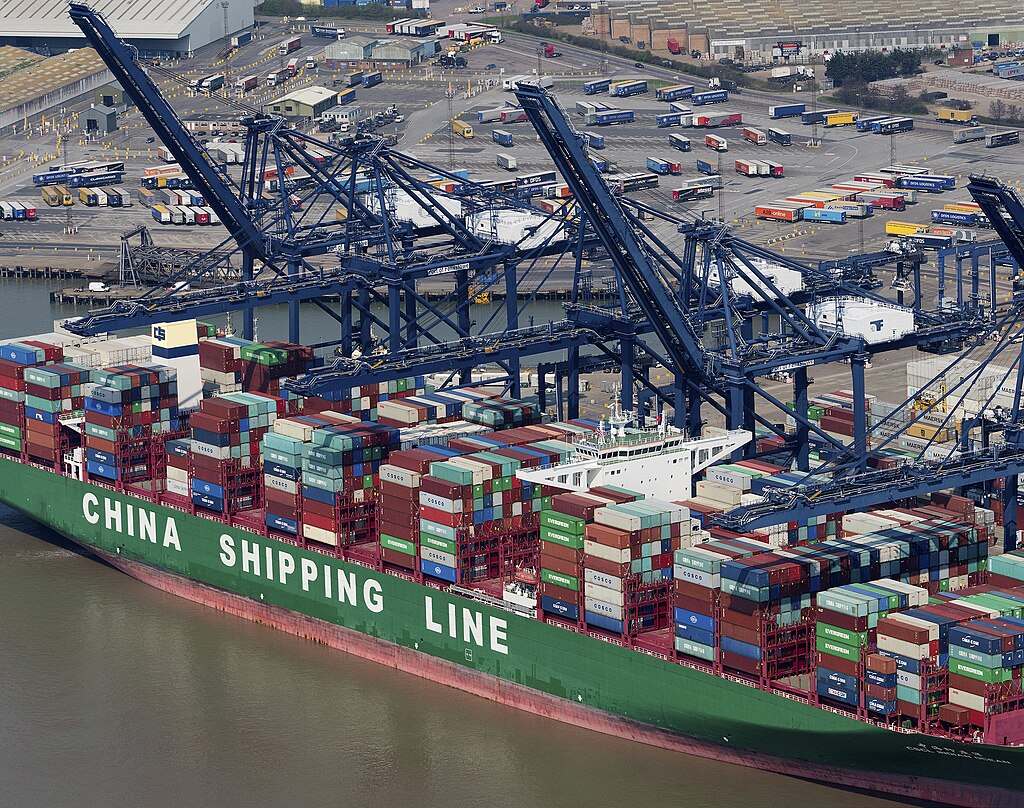
President Donald Trump’s plan to revive U.S. shipbuilding by imposing hefty fees on China-built vessels is facing fierce backlash from the American maritime industry. Industry leaders argue that the proposed port fees—potentially exceeding $3 million per call—would hurt U.S. ship operators, exporters, consumers, and critical jobs.
The Trump administration says the fees will reduce China's dominance in global shipbuilding, which now accounts for over 50% of the market, up from under 5% in 1999. While supported by steel unions and some lawmakers, critics warn that the policy could backfire by crippling American carriers that rely on Chinese-built ships due to the lack of domestic alternatives. U.S. shipyards currently produce fewer than 10 vessels per year compared to China’s 1,000.
Executives, including Edward Gonzalez of Seaboard Marine and Kathy Metcalf of the Chamber of Shipping of America, warn that penalizing China-linked vessels would force U.S. cargo to shift to foreign carriers or reroute through Canada and Mexico—disrupting trade, spiking costs, and straining infrastructure. Smaller ports would suffer from reduced traffic while major ports could face overwhelming congestion.
U.S. exporters, particularly in agriculture and coal, are already experiencing booking issues due to policy uncertainty. The American Soybean Association and other trade groups caution that the fees could slash U.S. exports by nearly 12% and shrink GDP by 0.25%, with rising prices hitting consumers hard.
Though supported by over 60 Democratic lawmakers, industry insiders urge the U.S. Trade Representative to reconsider, warning the plan could trigger job losses and supply chain disruptions reminiscent of early COVID-19 chaos. Final decisions are pending further hearings this week.







