


 Trump, Xi Focus on Trade and AI at White House Summit
  Netanyahu’s Brief US Trip Highlights Strains With Trump
  Pope Leo Backs Press Freedom After White House Media Ban
  Netanyahu Defends Israel at UN as Delegates Stage Walkout
  Putin Says Ukraine Peace Proposals Remain on Table
  NATO Boosts Intelligence Sharing Amid Russia Hybrid Threats
  Ukrainian Drone Attacks Hit Russian Regions, Injuring at Least 12
  Trump Warns China Against Supporting Iran in Xi Talks
  EU Agrees €6.6 Billion Military Aid Funding for Ukraine
  Abbas Reaffirms November 28 Palestinian Elections
  Xi Calls for Deeper U.S.-China AI Cooperation in Trump Talks
  Colombia Extradites FARC Dissident Leader ‘Spider’ to US
  North Korea Warns South Korea Over US-Led Defense Role
  Trump, Xi Visit US National Archives After White House Summit
  What ‘Taiwan Independence’ Means as Xi Presses Trump on US Policy
  Yemen Violence Displaces 130,000 as Civilian Toll Rises
  North Korea Rejects Nuclear Test Warning, Calls Nuclear Status Irreversible


 Add as a preferred source on Google
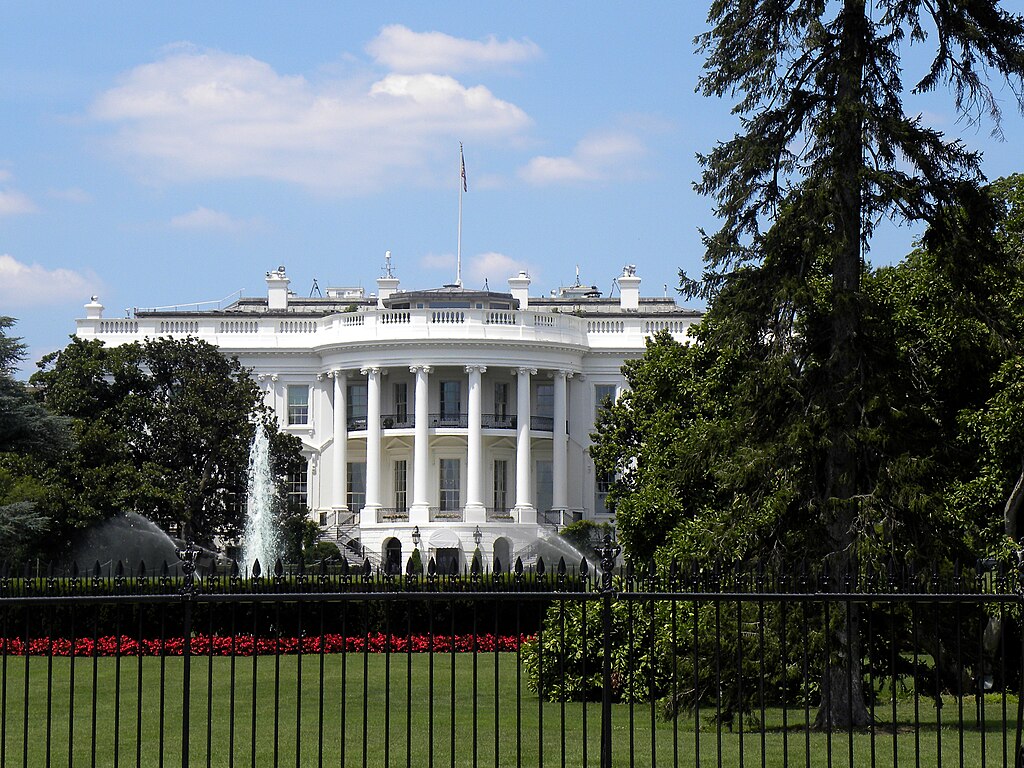
The White House confirmed Tuesday that it will soon submit plans for President Donald Trump’s proposed $250 million White House ballroom to the National Capital Planning Commission (NCPC), even as demolition on the East Wing began earlier this week. The new ballroom represents the first major alteration to the historic residence in decades, yet the timing and lack of prior review have stirred controversy among preservationists and political critics.
President Trump, who has previously overseen renovations to the Oval Office and Rose Garden, was reportedly pleased with the sound of demolition as he addressed Republican lawmakers in the Rose Garden, calling it “music to my ears.” However, critics argue that demolition began without proper review, violating best practices for projects impacting historic landmarks. Former NCPC commissioner Bryan Green noted that demolition “cannot be separated from the new construction that follows,” stressing that a formal review should have preceded the work.
The NCPC typically reviews federal construction projects in Washington, though the White House is exempt under the National Historic Preservation Act of 1966. Despite that exemption, experts like Priya Jain of the Society of Architectural Historians emphasized that transparency and consultation could have prevented the public backlash following surprise images of the demolition.
The project has also raised ethical and financial concerns. Trump claims the ballroom will be privately funded by himself and donors to avoid taxpayer costs, but critics question potential conflicts of interest. The U.S. Treasury has cautioned employees against sharing photos of the construction site due to security risks, as the East Wing sits atop the Presidential Emergency Operations Center, a secure bunker.
As construction noise echoed across the South Lawn, some tourists expressed dismay, calling the project “a total waste of money” and “disrespectful to history.” Still, the administration dismissed the criticism as “manufactured outrage,” framing the project as part of a long tradition of White House modernization.







