


 UK, Mauritius Seek Diego Garcia Base Deal
  Zelenskiy Warns Russia Preparing Major Attack on Ukraine
  Trump Says U.S.-Iran Peace Deal Near After UN Talks
  Marco Rubio to Meet Russia’s Lavrov in New York
  Macron, Trump Discuss Ukraine-Russia Energy Strike Moratorium
  Trump to Press Xi on Release of US Nuclear Expert Held in China
  Trump-Xi Summit Puts Trade Truce and Taiwan in Focus
  Carney Condemns Belleville Synagogue Shooting That Wounded Police Officer
  Trump Open to Pezeshkian Meeting as Iran Tensions Escalate
  South Korea to Brief Lawmakers on $350 Billion US Investment Package
  China Tightens Fentanyl Rules Ahead of Trump-Xi Summit
  US, Japan and South Korea Back Taiwan Ahead of Trump-Xi Summit
  Trump Says ‘Freedom’ Is Coming to Cuba
  Burnham Eyes UK Leadership Role in AI Ahead of Trump Meeting
  Paramount-Warner Bros $110 Billion Deal Draws Antitrust Backlash
  Canada Unveils Bill to Fast-Track Major Resource Projects
  Trump Scales Back Endangered Species Act Protections


 Add as a preferred source on Google
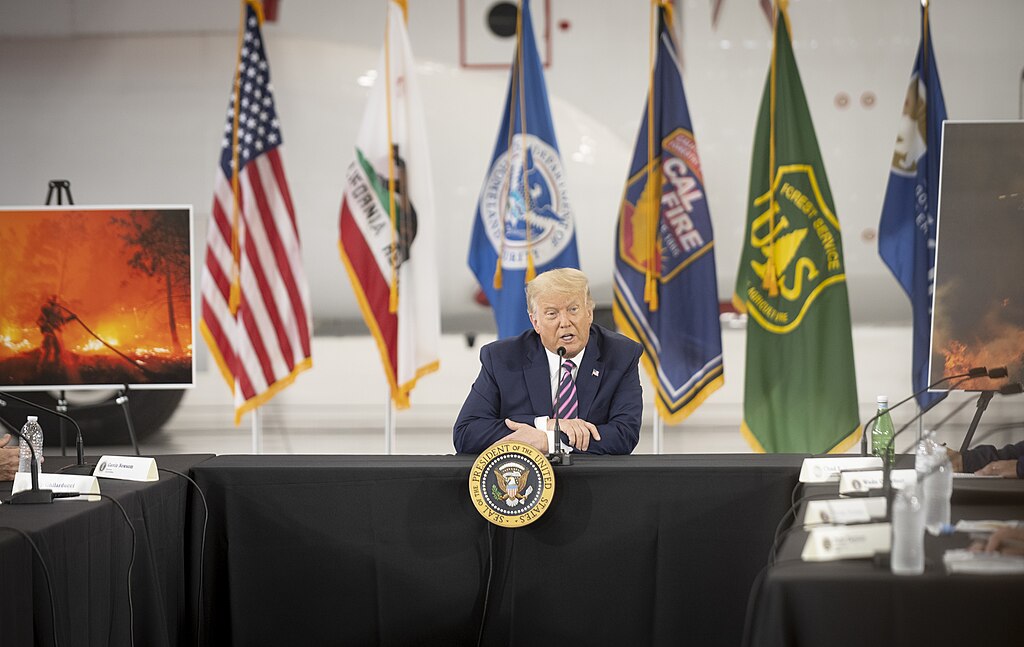
In a bold move that has already drawn sharp criticism and heated debate, President-elect Donald Trump confirmed plans to declare a national emergency on border security, a decision aimed at facilitating the mass deportation of undocumented migrants using the U.S. military. The announcement underscores Trump’s commitment to tackling immigration issues as a cornerstone of his administration, but the sweeping proposal is poised to ignite a political firestorm.
The strategy, which Trump revealed through his transition team, would leverage emergency powers to bypass certain legal and bureaucratic hurdles in addressing what he has described as an “unprecedented border crisis.” The plan includes deploying military personnel to assist with enforcement, detention, and transportation of individuals identified for removal.
Legal and Political Ramifications
Declaring a national emergency to address immigration is not without precedent; however, Trump’s proposal raises significant legal and ethical questions. Critics argue that utilizing the military for domestic law enforcement functions encroaches on the long-standing Posse Comitatus Act, which restricts military involvement in civilian affairs.
Civil rights organizations have already signaled intentions to challenge the move in court, describing the plan as unconstitutional and inhumane. “This is a misuse of national emergency powers that sets a dangerous precedent,” said a spokesperson for the American Civil Liberties Union (ACLU).
Republican lawmakers, while generally supportive of stricter border policies, appear divided on the militarization aspect. Some GOP leaders have expressed concerns about the long-term implications of such an aggressive strategy. Democratic leaders, meanwhile, have labeled the proposal as "an extreme overreach of executive power" and pledged to oppose it vigorously in Congress.
Key Components of the Plan
The Trump administration’s plan reportedly includes collaboration with Immigration and Customs Enforcement (ICE) to identify and process individuals for deportation more efficiently. Military units will provide logistical support, including transportation to border facilities and detention centers.
Sources within the transition team suggest the national emergency declaration would also unlock federal funding to build additional detention facilities and enhance surveillance technology at the southern border. However, no clear timeline for implementation has been provided, raising questions about the feasibility of such an ambitious endeavor.
Public Reactions
Reactions from the public have been as polarized as the political landscape itself. Supporters argue that the move is a long-overdue measure to restore order at the border and address the financial burden of illegal immigration. “This is the bold leadership we voted for,” said one Trump supporter at a rally.
Opponents, however, have taken to social media and public protests to voice their dissent, accusing the administration of weaponizing fear and disregarding basic human rights. Advocacy groups warn that the plan could tear families apart and lead to significant economic disruptions in industries reliant on undocumented labor.
Moving Forward
As the inauguration date approaches, the world watches closely to see whether Trump will follow through on his promise. If enacted, the national emergency declaration and military-backed deportation plan could become one of the most controversial and defining moments of his presidency.







