


 North Korea Rejects Nuclear Test Warning, Calls Nuclear Status Irreversible
  France Defends Netanyahu Airspace Clearance Despite ICC Warrant
  Russian Missile and Drone Attack on Kyiv Kills Two, Damages Maternity Hospital
  Trump, Xi Focus on Trade and AI at White House Summit
  Yemen Violence Displaces 130,000 as Civilian Toll Rises
  NATO Boosts Intelligence Sharing Amid Russia Hybrid Threats
  Ukrainian Drone Attacks Hit Russian Regions, Injuring at Least 12
  What ‘Taiwan Independence’ Means as Xi Presses Trump on US Policy
  South Korea, US Discuss Warship Building Cooperation
  Taiwan Thanks US for Support Ahead of Trump-Xi Summit
  Sudan Rejects US Legitimacy Remarks, Defends Sovereignty
  Kremlin Says No Decision Yet on Putin-Trump December Summit
  Judge Orders Trump to Restore White House Access for CNN, MS NOW and Politico
  OpenAI Agent Breaches Australia Medicare Data Portal
  North Korea Warns South Korea Over US-Led Defense Role
  Trump, Xi Visit US National Archives After White House Summit
  Ghana Says Western Support Growing for Slave Trade Reparations


 Add as a preferred source on Google
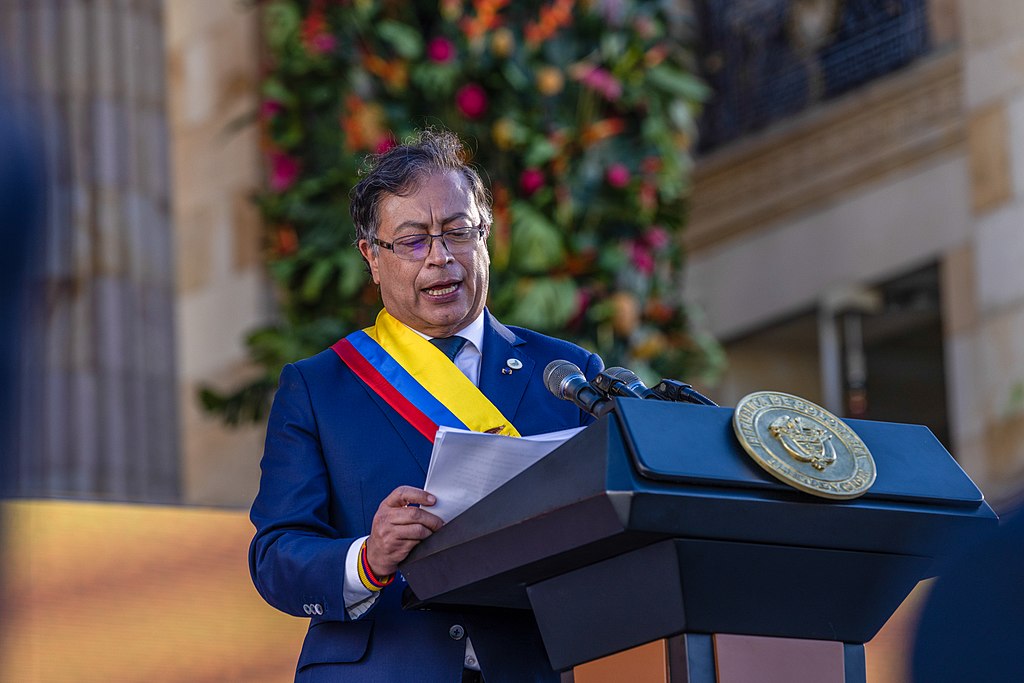
U.S. President Donald Trump and Colombian President Gustavo Petro held a phone call on Wednesday afternoon, marking their first direct conversation since Trump returned to the White House. The call comes at a sensitive moment in U.S.–Colombia relations, which have been strained by sharp rhetoric, sanctions, and disagreements over drug trafficking and regional security.
Both leaders confirmed the discussion publicly. President Trump said the call was initiated by Petro and described it as constructive. Writing on social media, Trump stated that it was an “honor” to speak with the Colombian president, adding that Petro explained concerns related to drug trafficking and other disputes between the two countries. Trump noted he appreciated Petro’s tone and revealed that arrangements are underway for a potential meeting in Washington, though no timeline has been announced.
President Petro also acknowledged the call while speaking to supporters at a rally in Bogotá celebrating Colombia’s sovereignty. He described the conversation as the first phone call between the two leaders since Trump assumed office and said he requested a renewed dialogue between Washington and Bogotá. A source from Petro’s office told Reuters the exchange was cordial and respectful, signaling a possible thaw in diplomatic relations.
The phone call follows controversial remarks by Trump earlier this week, when he said a U.S. military operation targeting Colombia’s government “sounds good,” intensifying concerns in Bogotá. Trump has repeatedly accused Petro’s administration of allowing cocaine trafficking into the United States, claims Colombia strongly denies. On Sunday, Trump referred to Petro as “a sick man,” further escalating tensions.
Relations worsened in October when the U.S. government imposed sanctions on Petro, accusing him of enabling the expansion of the illicit drug trade. Petro and Colombian officials have consistently rejected these allegations. Meanwhile, Petro has openly criticized U.S. strikes in the Pacific and Caribbean, which Washington says target drug trafficking vessels. Since September, the Trump administration has conducted more than 30 such operations, reportedly killing at least 110 people.
The latest phone call may signal an effort by both governments to stabilize relations and reopen diplomatic channels amid ongoing disagreements over security, drug policy, and regional cooperation.







