


 Trump Board of Peace Unveils $2.45 Billion Gaza Recovery Plan
  Kremlin Says No Decision Yet on Putin-Trump December Summit
  Macron Challenges Trump’s Gaza Peace Claims at UN
  US Stock Futures Rise as Meta Muse Fuels AI Rally
  European Stocks Slip as Iran Tensions Offset Strong Eurozone Data
  Russian Strikes Kill Eight Across Ukraine as Energy Sites Hit
  Netanyahu Takes Aim at Mamdani as Israel Election Nears
  Australia Unemployment Hits Five-Year High Despite Strong Jobs Growth
  South Korea, US Discuss Warship Building Cooperation
  Oil Prices Surge as U.S.-Iran Diplomacy Hopes Fade
  Asian Currencies Muted as Dollar Firms Ahead of Trump-Xi Summit
  China’s ‘Lipstick King’ Says AI Won’t Replace Livestream Hosts
  Zelenskiy Warns Russia Preparing Major Attack on Ukraine
  Trump Says ‘Freedom’ Is Coming to Cuba
  Venezuela Promises Elections as Delcy Rodriguez Pledges Democratic Transition
  Russian Missile and Drone Attack on Kyiv Kills Two, Damages Maternity Hospital
  Gold Prices Rise as Oil Slump Eases Fed Rate Hike Fears


 Add as a preferred source on Google
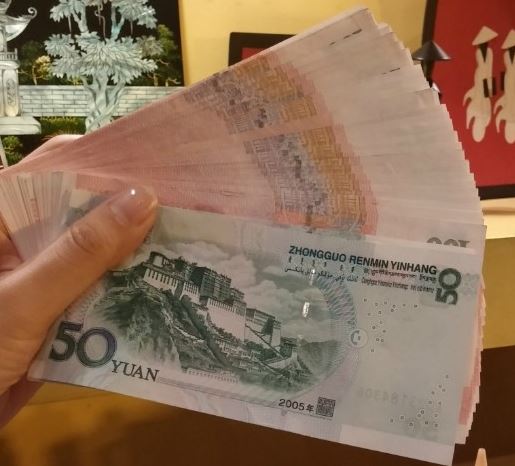
U.S. President Donald Trump criticized Japan and China for devaluing their currencies, calling it unfair to American manufacturers. Speaking at the White House on Monday, Trump said he had personally warned President Xi Jinping and Japanese leaders to stop weakening their currencies, which makes it harder for U.S. companies like Caterpillar (NYSE: CAT) to compete.
"You can’t continue to reduce and break down your currency because it’s unfair to us," Trump stated, adding that tariffs could be a solution to counteract the disadvantage faced by American manufacturers.
Following Trump's comments, Japan’s Nikkei share average dropped over 1% as the yen briefly surged to 149.11 per dollar, its strongest level since Feb. 28. The volatility highlighted Japan’s economic vulnerability to U.S. trade and currency policies.
Japanese Finance Minister Katsunobu Kato denied any direct policy aimed at weakening the yen, emphasizing Japan’s commitment to agreements with the G7 and U.S. Treasury Secretary Scott Bessent. Economy Minister Ryosei Akazawa added that Japan intervenes in currency markets only to curb speculative moves.
Prime Minister Shigeru Ishiba previously agreed with Trump to leave foreign exchange decisions to finance ministers. While a weak yen benefits exports, Japan has been working to prevent excessive depreciation, which raises import costs and dampens consumer spending.
Amid these developments, the Bank of Japan (BOJ) is navigating a delicate balance. With inflation above its 2% target for nearly three years, the central bank raised interest rates to 0.5% in January and is expected to hike again to 0.75% later this year. However, Trump's tariff threats and uncertainty over currency policy may complicate BOJ’s timing.
Market watchers remain cautious as Japan attempts to maintain economic stability while addressing external pressures from Washington.







