


 OpenAI Urges US-Led Global Standards for Frontier AI
  US Stock Futures Rise as Meta Muse Fuels AI Rally
  Oil Prices Tumble on U.S.-Iran Diplomacy Hopes, Supply Relief
  Nvidia CEO Jensen Huang Expected at Trump-Xi State Dinner
  France Urges Faster AI Push Despite Safety Risks
  Japan, U.S. Discuss $19 Billion GlobalFoundries Chip Plant
  MediaTek Unveils 2nm Dimensity 9600 Pro AI Chip
  Oil Prices Surge as U.S.-Iran Diplomacy Hopes Fade
  Anthropic’s Claude Discovers CRISPR-Like Enzyme System
  Russian Envoy Dmitriev Heads to US for Ukraine Talks
  NASA, Boeing Discuss Expanding Starliner Missions
  Trump Plans Federal AI Force and AI Czar
  Apple Pay Set for India Launch With Axis Bank
  Canada Unveils Bill to Fast-Track Major Resource Projects
  US, China Extend Trade Truce to Jan. 10 Ahead of Trump-Xi Summit
  Gold Drops Over 1% as Dollar, Treasury Yields Surge on Fed Rate Hike Bets
  Hyundai CEO Warns Chinese Automakers Could Disrupt US Market


 Add as a preferred source on Google
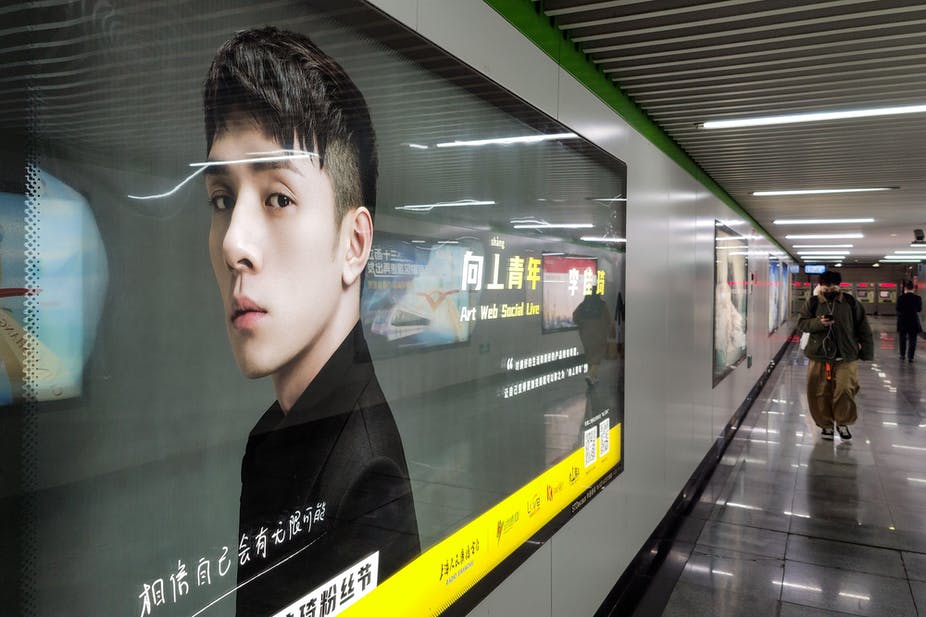
China’s livestream shopping industry is entering a slower phase, but Li Jiaqi, the influential presenter known as the “Lipstick King,” believes artificial intelligence will complement rather than replace human hosts.
Li, who began livestreaming in 2016 and has built an audience of more than 100 million followers, said the sector is no longer experiencing the explosive expansion seen several years ago. Still, he described China’s livestream e-commerce market as being in a more “stable and healthy phase.”
The shift comes as weak consumer spending pressures retailers. China’s retail sales increased just 0.4% year-on-year in August, slowing from 0.6% in July, while sales grew 1.1% during the first eight months of 2026.
Despite the slowdown, livestream commerce has transformed Chinese shopping. Online retail accounted for more than 36% of sales in 2025, compared with less than 18% in 2021.
Artificial intelligence is now changing the economics of livestreaming. E-commerce companies are introducing AI-powered digital hosts capable of broadcasting continuously at significantly lower costs. JD.com, which made its AI hosting service free to merchants in December 2025, estimates digital presenters can cut livestream operating expenses by 80% to 90%.
Li acknowledged AI’s growing importance and said his team is exploring ways to integrate the technology into livestream commerce. However, he argued that AI lacks the creativity, judgement and human connection needed to fully replace presenters.
He suggested AI avatars could handle overnight broadcasts while human hosts rest, improving efficiency without eliminating jobs entirely.
Industry participants also point to trust as a major advantage for human presenters. Livestream host Lu Lin said people can provide nuanced recommendations based on individual customer needs rather than simply generating standardized responses.
China has meanwhile tightened oversight of AI-generated content. Labelling requirements took effect in September 2025, while ByteDance-owned Douyin requires disclosure when digital hosts are used and prohibits fully AI-generated livestreams.
As competition intensifies and profit margins narrow, experts expect weaker livestream hosts to face growing pressure. Brands are increasingly emphasizing technology, scalable operations and profitability rather than relying solely on celebrity presenters, suggesting China’s livestream shopping market is evolving toward a hybrid model combining AI efficiency with human authenticity.







