


 RBA Says ASX Still Falls Short on Governance and Risk Controls
  China’s ‘Lipstick King’ Says AI Won’t Replace Livestream Hosts
  Russian Envoy Dmitriev Heads to US for Ukraine Talks
  US Dollar Hits Two-Month High as Fed Rate Hike Bets Rise
  South Korea, US Discuss Warship Building Cooperation
  Gold Drops Over 1% as Dollar, Treasury Yields Surge on Fed Rate Hike Bets
  Oil Prices Extend Losses as U.S.-Iran Talks Ease Supply Fears
  US, China Extend Trade Truce to Jan. 10 Ahead of Trump-Xi Summit
  US, Japan and South Korea Back Taiwan Ahead of Trump-Xi Summit
  Gold Prices Rise as Oil Slide Eases Fed Rate Hike Fears
  European Stocks Slip as Iran Tensions Offset Strong Eurozone Data
  Oil Prices Ease as Iran Tensions Clash With Diplomacy Hopes
  Gold Prices Slip as Strong Dollar and Hawkish Fed Pressure Bullion
  Asian Stocks Mixed Ahead of Trump-Xi Meeting
  Dollar Hits Two-Month High as Fed Rate Hike Bets Rise
  Wall Street Surges as Meta Leads AI Rally, Oil Prices Fall


 Add as a preferred source on Google
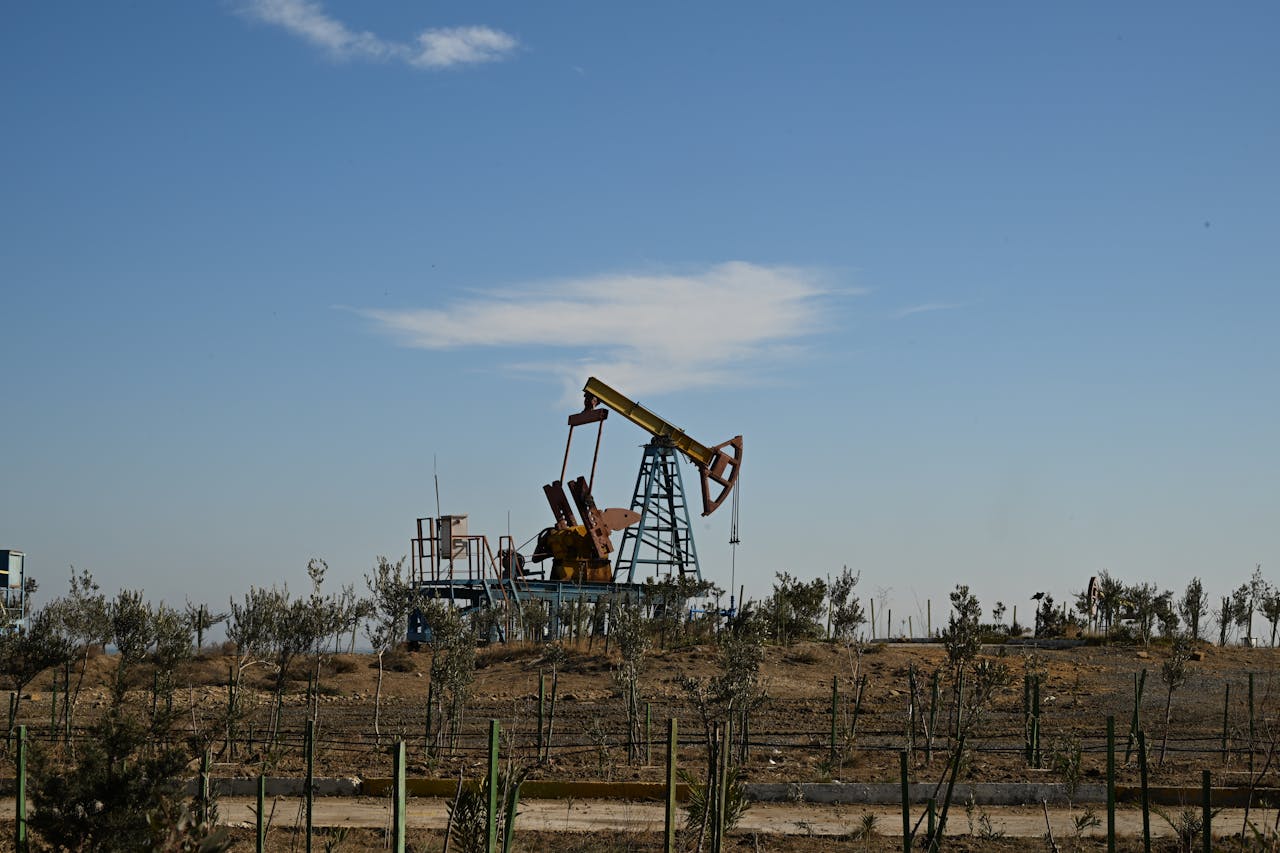
Oil prices rebounded sharply on Wednesday, snapping a five-session losing streak as renewed tensions between the United States and Iran reduced expectations for a diplomatic breakthrough.
Brent crude futures for November delivery jumped 4.2% to $103.37 a barrel, while U.S. West Texas Intermediate (WTI) crude futures climbed 2.4% to $92.71.
The rally followed comments from Iranian President Masoud Pezeshkian at the United Nations General Assembly, where he pushed back against President Donald Trump’s criticism of Tehran. Pezeshkian said Iran was prepared for diplomacy but would not negotiate under threats or pressure.
His remarks came after Trump said U.S. representatives had held three hours of talks with Iranian officials and described the discussions as “very good.” However, U.S. Secretary of State Marco Rubio later tempered expectations, saying he would not describe the negotiations as a major breakthrough.
Iran was also reviewing a U.S. response to Tehran’s proposal for ending hostilities, Reuters reported, citing a senior Iranian official. Discussions reportedly included reopening the Strait of Hormuz and lifting the U.S. naval blockade.
Oil had fallen for five consecutive sessions amid signs of possible diplomatic progress and improving Saudi supply conditions. Saudi Arabia reportedly restarted its East-West Pipeline after disruptions linked to the conflict with Iran-backed Houthis in Yemen, potentially allowing exports from the Red Sea port of Yanbu to resume.
Meanwhile, speculation over U.S. diesel export restrictions added uncertainty to energy markets. Politico reported that Washington was considering a 90-day export ban as diesel prices surged, although a White House official later dismissed the report as “fake news.”
U.S. crude inventories provided another bearish signal. Commercial crude stocks rose by roughly 3 million barrels in the week ending September 18 to 426.4 million barrels, ending three consecutive weekly declines. EIA data also showed crude inventories including the Strategic Petroleum Reserve rising to about 711 million barrels.
Despite the inventory build, geopolitical risks surrounding Iran, the Strait of Hormuz and Middle East energy supplies remained the dominant drivers of crude oil prices.







