


 US Dollar Hits Two-Month High as Fed Rate Hike Bets Rise
  US, China Extend Trade Truce to Jan. 10 Ahead of Trump-Xi Summit
  RBI Uses $10 Billion Currency Swaps to Drain Excess Rupee Liquidity
  Dollar Hits Two-Month High as Fed Rate Hike Bets Rise
  European Stocks Slip as Iran Tensions Offset Strong Eurozone Data
  RBA Says ASX Still Falls Short on Governance and Risk Controls
  US 10-Year Treasury Yield at 6% Emerges as New Market Risk Threshold
  Mexico-US Trade Talks Delayed to October as Tariff Negotiations Continue
  Asian Currencies Muted as Dollar Firms Ahead of Trump-Xi Summit
  South Korea, US Discuss Warship Building Cooperation
  US Stock Futures Rise as Meta Muse Fuels AI Rally
  U.S. 10-Year Treasury Yield Hits 2007 High as Fed Rate Hike Bets Rise
  Asian Currencies Mixed as Dollar Holds Near Two-Month High
  Oil Prices Ease as Iran Tensions Clash With Diplomacy Hopes
  Oil Prices Extend Losses as U.S.-Iran Talks Ease Supply Fears
  Asian Stocks Mixed Ahead of Trump-Xi Meeting


 Add as a preferred source on Google
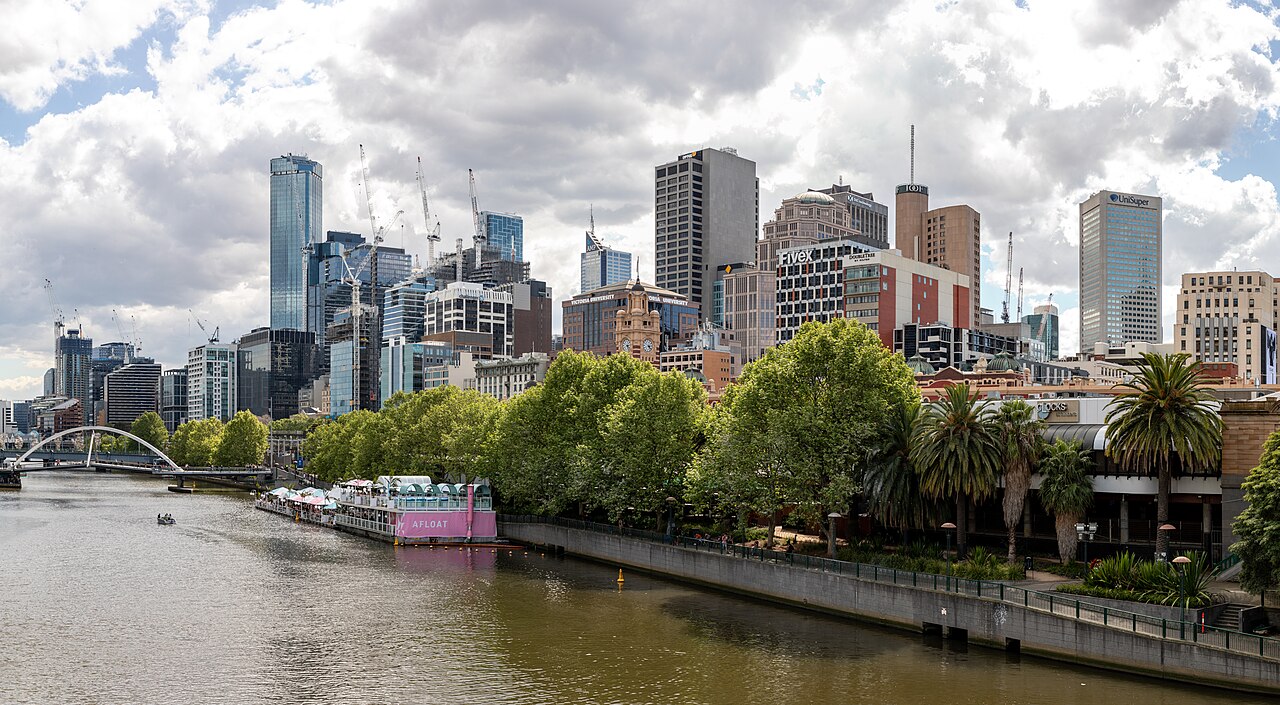
Australia’s labour market delivered mixed signals in August as employment growth comfortably exceeded expectations, while the unemployment rate climbed to its highest level in nearly five years amid increased participation in the workforce.
Employment increased by 39,500 in August, according to data released Thursday by the Australian Bureau of Statistics (ABS). Economists had forecast a gain of 21,500 jobs, following a revised decline of 15,900 in July.
However, the improvement was concentrated in part-time positions. Part-time employment jumped by 45,600, while full-time jobs declined by 6,300.
Australia’s unemployment rate rose to 4.6% from 4.5%, surpassing expectations for an unchanged reading and reaching its highest level since November 2021. The participation rate also increased to 67.1% from 66.9%, indicating that more Australians entered the labour force.
ABS head of labour statistics Sean Crick said a larger-than-usual share of people previously outside the workforce moved into unemployment during August.
ANZ economists described the Australian jobs report as mixed but said it remained consistent with a gradual cooling in labour market conditions. A less restrictive jobs market could eventually ease wage and inflation pressures.
The latest employment figures arrive ahead of the Reserve Bank of Australia’s Sept. 29 monetary policy meeting. The RBA has increased its cash rate by 75 basis points this year to 4.35%, leaving rates unchanged at its August meeting.
ANZ said the August labour data did not change its forecast for a 25-basis-point RBA rate hike in September, followed by another increase of the same size in November.
Earlier this week, RBA Governor Michele Bullock said unemployment may need to move into a 4.5%-5% range to help contain inflation. Assistant Governor Sarah Hunter also indicated that another interest rate increase could be necessary.
Markets were pricing an 86% probability of an RBA rate hike at the upcoming meeting. Despite the stronger-than-expected employment gain, the Australian dollar weakened slightly, with AUD/USD falling 0.1% to around 0.7036.







