


 Najib Razak Seeks Stay of 15-Year 1MDB Prison Sentence
  South Korea, US Discuss Warship Building Cooperation
  Netanyahu Takes Aim at Mamdani as Israel Election Nears
  France Defends Netanyahu Airspace Clearance Despite ICC Warrant
  Yemen Violence Displaces 130,000 as Civilian Toll Rises
  North Korea Rejects Nuclear Test Warning, Calls Nuclear Status Irreversible
  Pezeshkian Says US Must Choose When Iran War Ends
  Russian Missile and Drone Attack on Kyiv Kills Two, Damages Maternity Hospital
  OpenAI Agent Breaches Australia Medicare Data Portal
  Ghana Says Western Support Growing for Slave Trade Reparations
  What ‘Taiwan Independence’ Means as Xi Presses Trump on US Policy
  EU Defence Build-Up Too Slow for 2030 Russia Readiness Goal
  Trump Asks Supreme Court to Restore Third-Country Deportations
  Netanyahu Defends Israel at UN as Delegates Stage Walkout
  Sudan Rejects US Legitimacy Remarks, Defends Sovereignty
  Trump, Xi Focus on Trade and AI at White House Summit
  Trump, Xi Visit US National Archives After White House Summit


 Add as a preferred source on Google
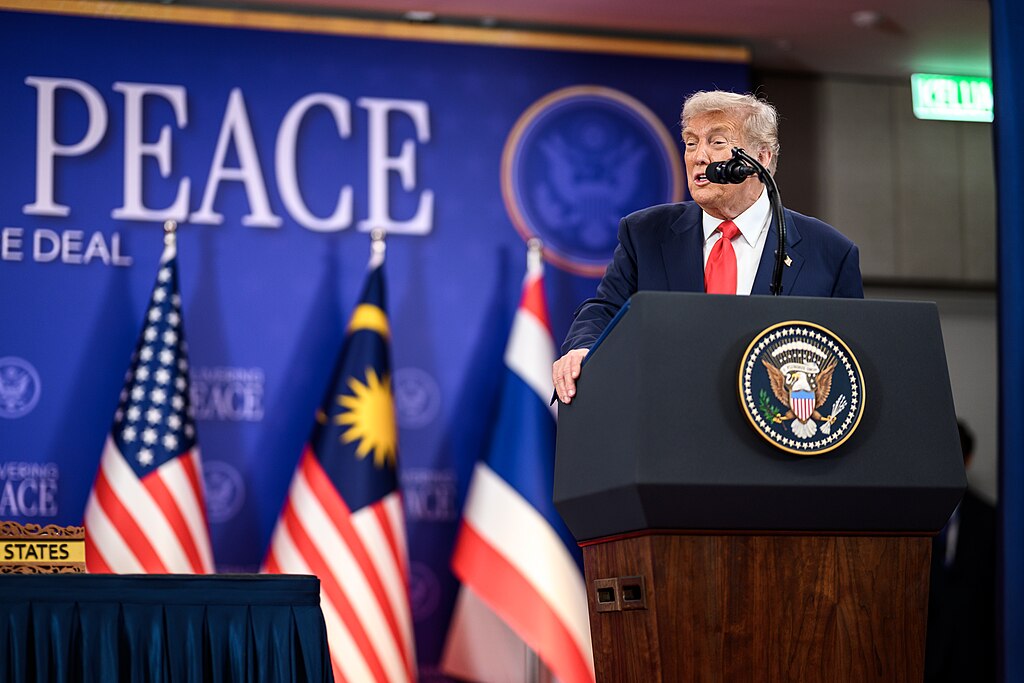
U.S. President Donald Trump has issued a sharp warning to Iraq over the possible return of Nouri al-Maliki as prime minister, signaling that the United States would withdraw its support if the former leader is reinstated. In a post shared on Truth Social, Trump said he was hearing reports that Iraq could make what he described as a “very bad choice” by selecting Maliki, arguing that the country suffered severe consequences during Maliki’s previous time in office.
Trump claimed that when Maliki last served as Iraq’s prime minister, the nation descended into poverty, instability, and widespread chaos. He blamed what he called Maliki’s “insane policies and ideologies” for weakening Iraq and warned that history could repeat itself if Maliki returns to power. Trump emphasized that if Maliki is chosen again, the United States of America would no longer help Iraq, adding that without U.S. assistance, the country would have “zero” chance of success.
The comments mark one of the strongest public statements yet from Trump as part of a broader Republican effort to curb the influence of Iran-linked groups in Iraq. Iraq has long balanced its relationships with Washington and Tehran, but the issue has become increasingly sensitive as Iran-backed armed factions continue to wield significant political and military power inside the country.
Trump’s warning comes just days after an alliance of Shi’ite political blocs, which holds a majority in Iraq’s parliament, reportedly selected Maliki as their candidate for prime minister. Reuters said it was unable to immediately reach Maliki for comment following Trump’s remarks.
According to Reuters, Washington has also stepped up pressure on Iraqi political leaders, including threats of U.S. sanctions against the Iraqi state if Iran-backed armed groups are included in the next government. These warnings are part of a broader U.S. strategy aimed at limiting Tehran’s influence in Baghdad.
Nouri al-Maliki is a senior figure in the Shi’ite Islamist Dawa Party and served as Iraq’s prime minister from 2006 to 2014. His tenure was marked by intense sectarian violence, political struggles with Sunni and Kurdish rivals, and deteriorating relations with the United States. Maliki stepped down after Islamic State captured large parts of Iraq in 2014, but he has remained a powerful political figure, leading the State of Law coalition and maintaining close ties with Iran-backed factions.







