


 Netanyahu Takes Aim at Mamdani as Israel Election Nears
  Trump Asks Supreme Court to Restore Third-Country Deportations
  Yemen Violence Displaces 130,000 as Civilian Toll Rises
  Netanyahu’s Brief US Trip Highlights Strains With Trump
  Trump, Xi Focus on Trade and AI at White House Summit
  US Backs Musk in Fight Against EU’s €120 Million X Fine
  Ukrainian Drone Attacks Hit Russian Regions, Injuring at Least 12
  Judge Orders Trump to Restore White House Access for CNN, MS NOW and Politico
  Pezeshkian Says US Must Choose When Iran War Ends
  North Korea Rejects Nuclear Test Warning, Calls Nuclear Status Irreversible
  South Korea, US Discuss Warship Building Cooperation
  Najib Razak Seeks Stay of 15-Year 1MDB Prison Sentence
  Saudi Arabia, Turkey and Pakistan Plan Urgent Defence Talks Over Houthi Attacks
  NATO Boosts Intelligence Sharing Amid Russia Hybrid Threats
  What ‘Taiwan Independence’ Means as Xi Presses Trump on US Policy
  France Defends Netanyahu Airspace Clearance Despite ICC Warrant
  Sudan Rejects US Legitimacy Remarks, Defends Sovereignty


 Add as a preferred source on Google
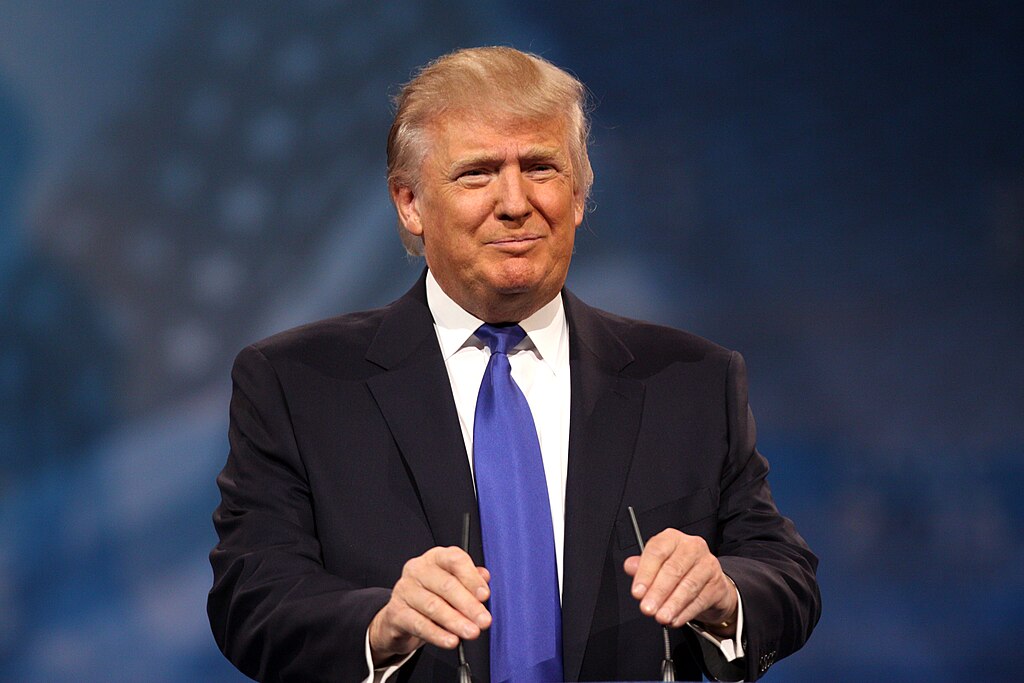
Former President Donald Trump has renewed his commitment to cut the corporate tax rate to 15% for businesses that manufacture their products in the United States. The pledge, which he highlighted in a recent address, reinforces Trump’s “America First” economic agenda and aims to incentivize domestic production, create jobs, and revitalize American industries.
The announcement has reignited debate among political leaders, business owners, and voters, with supporters praising it as a pro-growth strategy and critics questioning its economic feasibility.
Incentivizing Businesses to Bring Production Home
Trump’s plan to lower the corporate tax rate is aimed squarely at encouraging companies to shift their manufacturing operations back to the U.S. “I will keep my promise to pass historic tax cuts for American families, workers, and businesses that create jobs in America,” Trump declared, reaffirming his economic priorities.
The proposed 15% tax rate marks a significant reduction from the current 21%, which was established during Trump’s first term through the Tax Cuts and Jobs Act. Proponents argue the move would make the U.S. more competitive on a global scale while addressing long-standing concerns about outsourcing.
Many businesses have applauded Trump’s proposal, saying it would boost domestic investments. “This could help bring manufacturing jobs back to towns that have suffered for decades,” commented an industry leader.
However, critics caution that such a drastic tax cut could widen the deficit and strain federal resources. “The numbers just don’t add up,” said a policy analyst. “A balanced approach is needed to achieve sustainable growth.”
Impact on American Workers and Economy
Trump’s tax plan places heavy emphasis on job creation, positioning it as a solution to economic challenges faced by working-class Americans. Supporters believe the reduced tax rate would stimulate business expansions, drive innovation, and increase wages for workers across various industries.
“It’s simple: when businesses pay less in taxes, they can hire more people,” said a Trump supporter on social media.
Detractors, however, argue that past corporate tax cuts have not always led to widespread benefits for workers. Critics point to concerns that companies may prioritize shareholder profits over investments in job creation. “We’ve seen this play out before—workers don’t always see the benefits,” remarked an economist.
Social Media Reacts to Trump’s Tax Cut Pledge
Trump’s announcement has sparked lively discussions on social media, with users divided over the plan’s potential impact. Here are six notable reactions from Twitter users:
- @RedWavePatriot: “Finally! Trump is fighting for American businesses and workers—time to bring jobs home!”
- @EconomicTruths: “Another tax cut for corporations? We need policies that help workers, not just CEOs.”
- @MAGA2024: “Trump is the only one who understands how to rebuild America’s economy. 15% tax rate? Yes!”
- @BlueFutureNow: “This is reckless. Tax cuts like this will balloon the deficit and leave working families behind.”
- @JobCreatorUSA: “Smart move. Lower taxes will encourage companies to invest in America again.”
- @FairTaxWatch: “Promises, promises. We’ve heard this before—let’s see if it actually helps the middle class.”
The mixed responses highlight the ongoing divide over Trump’s economic agenda and its implications for the nation’s future.







