


 Marco Rubio to Meet Russia’s Lavrov in New York
  Carney Condemns Belleville Synagogue Shooting That Wounded Police Officer
  Kremlin Says No Grounds Yet for Ukraine Peace Talks
  Paramount-Warner Bros $110 Billion Deal Draws Antitrust Backlash
  Macron Challenges Trump’s Gaza Peace Claims at UN
  US, Japan and South Korea Back Taiwan Ahead of Trump-Xi Summit
  Trump Meets Venezuela’s Delcy Rodriguez at UN Assembly
  Scott Bessent Eyed as Trump’s New AI Czar
  Lula and Flavio Bolsonaro Tied in Brazil Runoff Poll
  Trump Scales Back Endangered Species Act Protections
  Lula Meets Mamdani in New York as Elections Approach
  Russian Strikes Kill Eight Across Ukraine as Energy Sites Hit
  Trump to Press Xi on Release of US Nuclear Expert Held in China
  CNN, MS NOW and Politico Sue Trump Over White House Media Ban
  Canada Unveils Bill to Fast-Track Major Resource Projects
  Burnham Eyes UK Leadership Role in AI Ahead of Trump Meeting
  Macron, Trump Discuss Ukraine-Russia Energy Strike Moratorium


 Add as a preferred source on Google
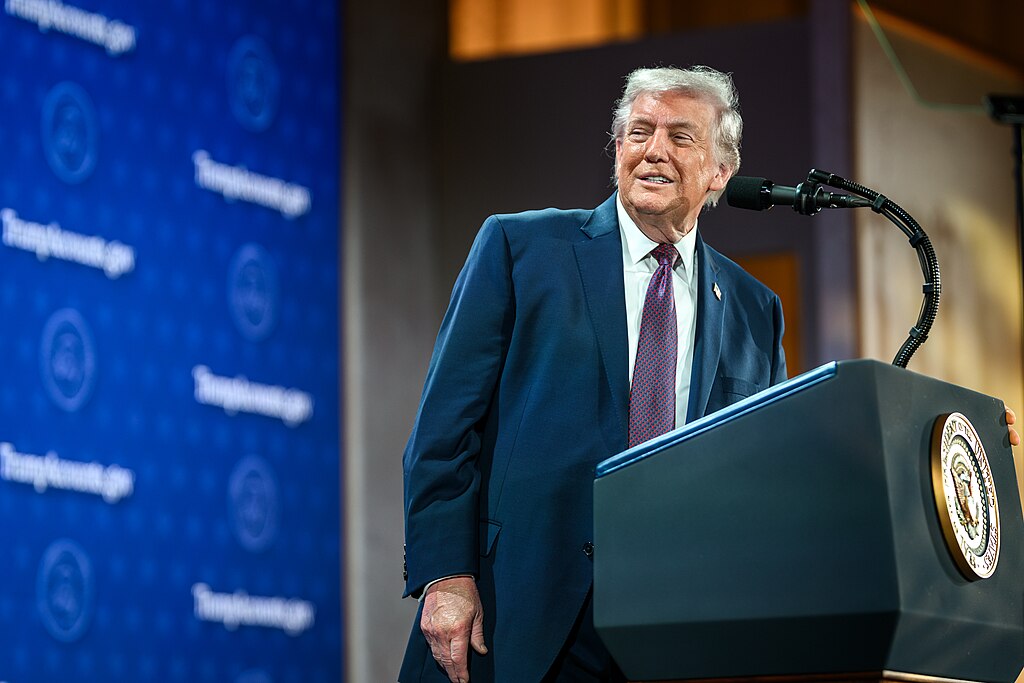
U.S. President Donald Trump has reportedly urged Israeli Prime Minister Benjamin Netanyahu not to launch a retaliatory strike against Iran following a new missile exchange that threatens ongoing efforts to secure a broader Middle East peace agreement.
According to reports, Trump told Netanyahu that further military action could jeopardize sensitive negotiations between Washington and Tehran. The warning came after Iran launched missiles toward Israeli targets in response to Israeli airstrikes near Beirut, Lebanon. Iranian officials said the attack targeted Israel’s Ramat David Air Base, while the Israeli military stated that its air defense systems intercepted the incoming missiles.
The latest escalation has raised concerns about the future of U.S.-Iran peace talks. Iran has consistently maintained that any agreement with the United States must include a lasting ceasefire in Lebanon. Tehran argues that Israel’s military operations against Hezbollah in Lebanon undermine diplomatic efforts and increase regional instability.
Trump reportedly emphasized that both sides had already exchanged attacks and should avoid further escalation. He stated that the United States is close to reaching a final agreement with Iran and warned that renewed hostilities could derail months of diplomatic progress. Despite these comments, Israeli sources indicated that retaliation remains under consideration.
The conflict remains closely tied to Israel’s military campaign against Hezbollah, the Iran-backed group operating in Lebanon. Although the United States recently announced a truce proposal aimed at reducing violence in Lebanon, Israeli forces conducted strikes near Beirut’s southern suburbs, an area long associated with Hezbollah activity. Netanyahu defended the operation, saying it was a response to attacks launched from Lebanon into Israel.
The broader regional conflict has remained largely deadlocked since April, when U.S. and Israeli attacks on Iran were paused. Meanwhile, tensions continue to affect global energy markets, with disruptions linked to the Strait of Hormuz, a vital shipping route for Middle Eastern oil exports.
As negotiations continue, Trump faces growing pressure to secure a deal that prevents Iran from developing nuclear weapons while addressing sanctions relief and regional security concerns. With both sides exchanging threats and military actions, the success of any future agreement remains uncertain.







