


 Trump Asks Supreme Court to Restore Third-Country Deportations
  Russian Missile and Drone Attack on Kyiv Kills Two, Damages Maternity Hospital
  Trump, Xi Focus on Trade and AI at White House Summit
  Pezeshkian Says US Must Choose When Iran War Ends
  Saudi Arabia, Turkey and Pakistan Plan Urgent Defence Talks Over Houthi Attacks
  US Backs Musk in Fight Against EU’s €120 Million X Fine
  North Korea Warns South Korea Over US-Led Defense Role
  Xi Calls for Deeper U.S.-China AI Cooperation in Trump Talks
  US Senate Rejects Iran War Powers Resolution in 50-49 Vote
  North Korea Rejects Nuclear Test Warning, Calls Nuclear Status Irreversible
  France Defends Netanyahu Airspace Clearance Despite ICC Warrant
  Netanyahu Takes Aim at Mamdani as Israel Election Nears
  Netanyahu’s Brief US Trip Highlights Strains With Trump
  Abbas Reaffirms November 28 Palestinian Elections
  OpenAI Agent Breaches Australia Medicare Data Portal
  What ‘Taiwan Independence’ Means as Xi Presses Trump on US Policy
  Kremlin Says No Decision Yet on Putin-Trump December Summit


 Add as a preferred source on Google
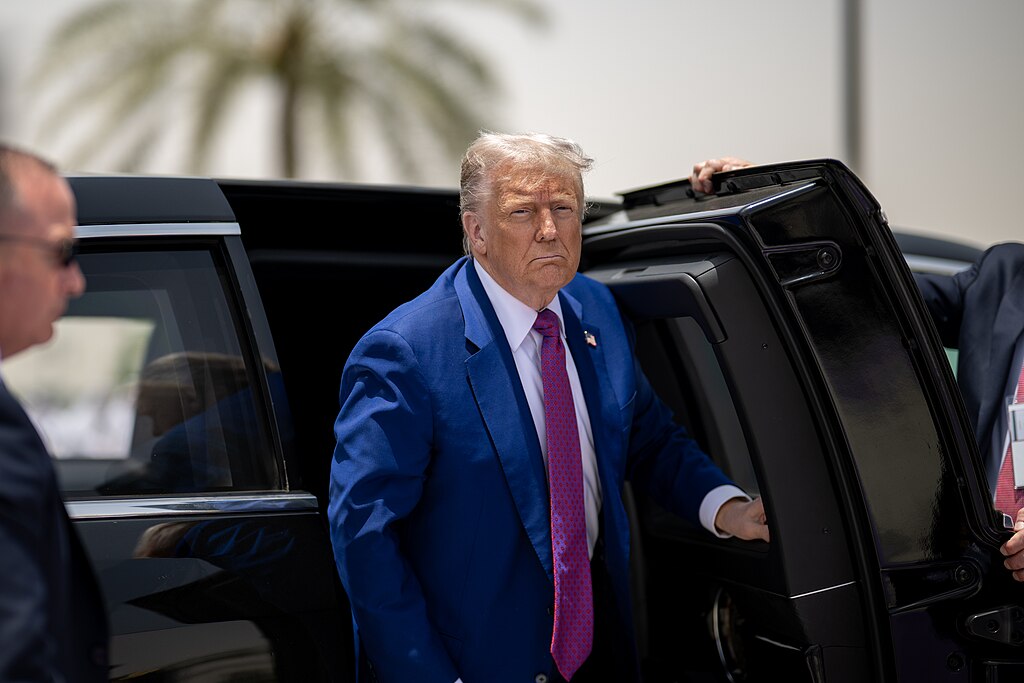
Supporters of U.S. President Donald Trump have largely welcomed the capture of Venezuelan leader Nicolas Maduro, framing it as a swift and low-cost victory that reinforces American strength abroad. Many within the Republican base view the operation as decisive and unlikely to spiral into a prolonged conflict, even as political analysts caution that public approval could fade if the situation in Venezuela drags on or mirrors past U.S. foreign interventions.
Despite some criticism from conservative voices who argue the move contradicts Trump’s long-standing “America First” promise to avoid foreign entanglements, most Republican allies and influential MAGA figures have rallied behind the president. Trump’s remarks that the United States would temporarily “run” Venezuela and tap its oil reserves raised concerns about an open-ended commitment, but for now, his base appears confident the intervention will not resemble long wars such as those in Afghanistan or Iraq.
Analysts note that the timing is significant, as the action comes amid a downturn in Trump’s approval ratings, with recent polls showing dissatisfaction largely tied to economic issues. Historically, military actions tend to provide only short-lived political boosts, and experts warn that a prolonged or costly involvement in Venezuela could become a liability for Trump and Republicans ahead of the midterm elections.
Democrats have sharply criticized the operation, arguing it may be unlawful due to the lack of congressional approval and warning of the risk of another expensive foreign conflict. A small number of Republicans, including outspoken conservatives and libertarian-leaning lawmakers, have echoed concerns about regime change and potential long-term costs. However, prominent MAGA figures and right-wing commentators have praised the move as bold, emphasizing U.S. dominance in the Western Hemisphere and the strategic importance of Venezuela’s oil reserves.
Political scientists emphasize that the MAGA movement has never been strictly isolationist and often takes cues directly from Trump’s leadership. While early support remains strong, experts agree that a prolonged intervention or deployment of U.S. troops would test Trump’s influence over his party and base, making Venezuela a critical measure of his political grip moving forward.







