


 Judge Orders Trump to Restore White House Access for CNN, MS NOW and Politico
  Netanyahu’s Brief US Trip Highlights Strains With Trump
  North Korea Warns South Korea Over US-Led Defense Role
  Najib Razak Seeks Stay of 15-Year 1MDB Prison Sentence
  Xi Calls for Deeper U.S.-China AI Cooperation in Trump Talks
  Netanyahu Defends Israel at UN as Delegates Stage Walkout
  Saudi Arabia, Turkey and Pakistan Plan Urgent Defence Talks Over Houthi Attacks
  What ‘Taiwan Independence’ Means as Xi Presses Trump on US Policy
  Sudan Rejects US Legitimacy Remarks, Defends Sovereignty
  Russian Missile and Drone Attack on Kyiv Kills Two, Damages Maternity Hospital
  Trump, Xi Focus on Trade and AI at White House Summit
  Trump, Xi Visit US National Archives After White House Summit
  NATO Boosts Intelligence Sharing Amid Russia Hybrid Threats
  Yemen Violence Displaces 130,000 as Civilian Toll Rises
  South Korea, US Discuss Warship Building Cooperation
  North Korea Rejects Nuclear Test Warning, Calls Nuclear Status Irreversible
  US Backs Musk in Fight Against EU’s €120 Million X Fine


 Add as a preferred source on Google
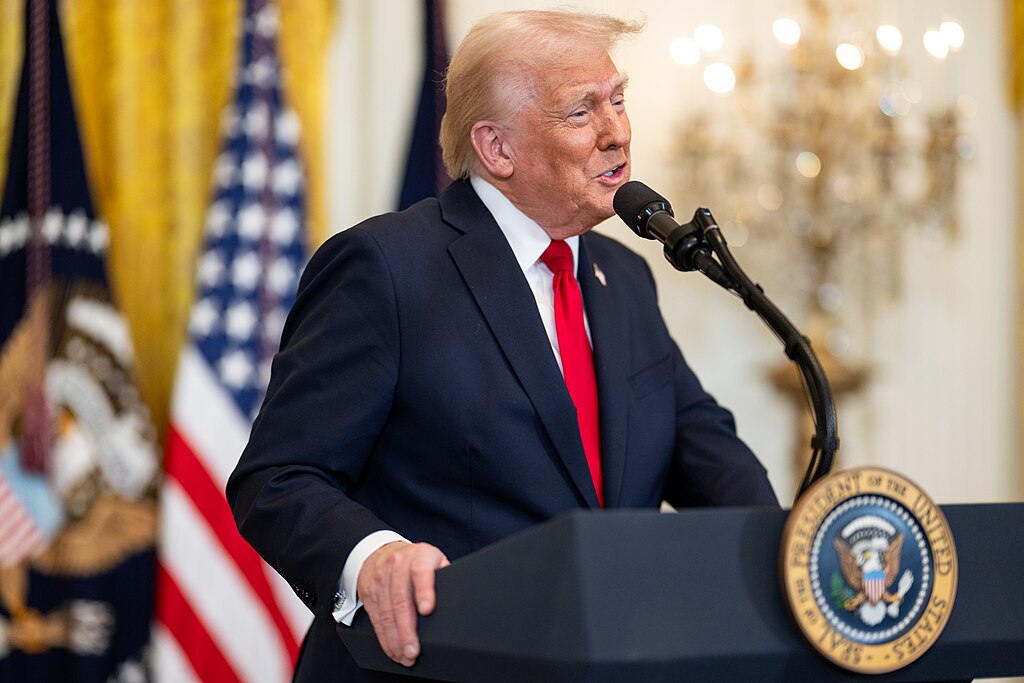
U.S. President Donald Trump proposed an 80% tariff on Chinese imports, signaling a potential shift from the current 145% rate as trade talks between the U.S. and China kick off in Switzerland. The announcement marks Trump’s first specific tariff proposal amid escalating trade tensions that have disrupted global supply chains.
U.S. Treasury Secretary Scott Bessent and chief negotiator Jamieson Greer are set to meet Chinese economic chief He Lifeng, with expectations of a limited agreement. Trump, speaking in the Oval Office, said, “I put out a number today, 80%, so we’ll see how that all works out,” adding that any tariff changes depend on Chinese concessions. White House spokesperson Karoline Leavitt emphasized that Trump would not lower tariffs unilaterally.
China’s involvement in the talks, including the participation of a senior public security official, underscores the importance of fentanyl trafficking as a sticking point. Trump had earlier cited fentanyl as a justification for tariffs on China, Canada, and Mexico.
While Trump secured a limited trade pact with the UK earlier this week, economists remain skeptical about major breakthroughs in Geneva. Oxford Economics noted that even an 80% tariff would leave U.S. import tax levels far above pre-Trump norms.
China has retaliated with export curbs on rare earths and raised tariffs on U.S. goods to 125%. Meanwhile, American consumers face rising prices on essential goods, and Chinese manufacturers continue to battle economic fallout from reduced U.S. market access.
Swiss Vice President Guy Parmelin expressed cautious optimism, saying, “The two sides are talking. If a roadmap emerges, tensions may ease.”
The outcome of this weekend’s talks could redefine U.S.-China trade relations and impact global economic stability.







