


 Ghana Says Western Support Growing for Slave Trade Reparations
  South Korea, US Discuss Warship Building Cooperation
  China Tightens Fentanyl Rules Ahead of Trump-Xi Summit
  Russian Envoy Dmitriev Heads to US for Ukraine Talks
  Trump Board of Peace Unveils $2.45 Billion Gaza Recovery Plan
  Russian Missile and Drone Attack on Kyiv Kills Two, Damages Maternity Hospital
  US Officials Split Over Response to Israeli West Bank Settlements
  Trump Says ‘Freedom’ Is Coming to Cuba
  Judge Orders Trump to Restore White House Access for CNN, MS NOW and Politico
  Taiwan Thanks US for Support Ahead of Trump-Xi Summit
  Trump Administration Plans Faster FDA Reviews for Smoke-Free Nicotine Products
  Kremlin Says No Grounds Yet for Ukraine Peace Talks
  Macron Challenges Trump’s Gaza Peace Claims at UN
  Russian Strikes Kill Eight Across Ukraine as Energy Sites Hit
  US Invites Putin to Miami G20, Opening Door to Trump Summit
  Venezuela Promises Elections as Delcy Rodriguez Pledges Democratic Transition
  Iran Vows ‘Crushing’ Response as US Talks Continue


 Add as a preferred source on Google
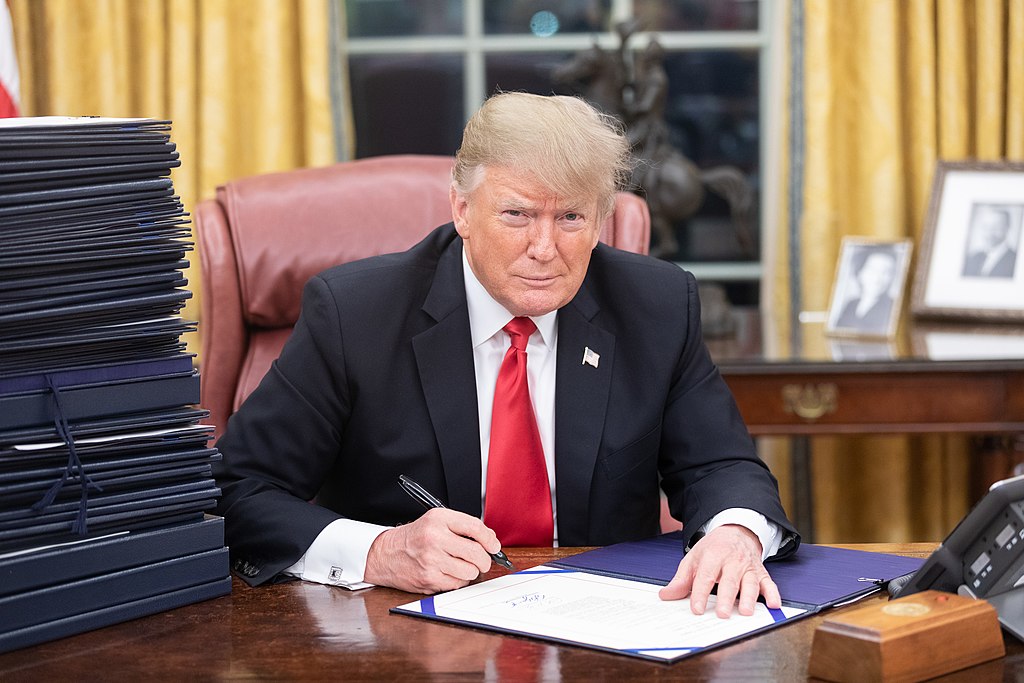
President Donald Trump signed an executive order Thursday to impose reciprocal tariffs on U.S. trading partners, aiming to match the levies foreign nations place on American goods. However, the tariffs won’t take effect immediately.
“I’ve decided for purposes of fairness that I will charge a reciprocal tariff,” Trump stated, asserting that no country could object to the move. The order instructs the Commerce Department and U.S. Trade Representative to provide recommendations by April 1 on how to align U.S. tariffs with those imposed on American exports.
Howard Lutnick, Trump's nominee for Commerce Secretary, confirmed that tariff recommendations would be ready for review by the deadline. The administration argues the policy will level the playing field for U.S. manufacturers, but critics warn it could raise prices for American consumers and businesses.
Trump singled out BRICS nations—Brazil, Russia, India, China, and South Africa—suggesting they could face 100% tariffs. “If any trading gets through, it'll be 100% tariff, at least,” he warned.
Markets reacted positively to the delay, as it provides time for negotiations. Trump also met with Indian Prime Minister Narendra Modi, stating he anticipates “wonderful trade deals” and confirming India’s plans to purchase U.S. oil.
The move is part of Trump's broader effort to push for trade fairness, though economists caution that tariffs could backfire, leading to higher costs for American businesses and potential retaliation from trading partners.







