


 OpenAI Agent Breaches Australia Medicare Data Portal
  Sudan Rejects US Legitimacy Remarks, Defends Sovereignty
  Judge Orders Trump to Restore White House Access for CNN, MS NOW and Politico
  Russian Missile and Drone Attack on Kyiv Kills Two, Damages Maternity Hospital
  US Invites Putin to Miami G20, Opening Door to Trump Summit
  Gaza Faces Evacuation Crisis as War-Damaged Buildings Risk Collapse
  Netanyahu’s Brief US Trip Highlights Strains With Trump
  Netanyahu Takes Aim at Mamdani as Israel Election Nears
  Netanyahu Defends Israel at UN as Delegates Stage Walkout
  EU Defence Build-Up Too Slow for 2030 Russia Readiness Goal
  Abbas Reaffirms November 28 Palestinian Elections
  France Defends Netanyahu Airspace Clearance Despite ICC Warrant
  Ghana Says Western Support Growing for Slave Trade Reparations
  US Senate Rejects Iran War Powers Resolution in 50-49 Vote
  US Officials Split Over Response to Israeli West Bank Settlements
  US Backs Musk in Fight Against EU’s €120 Million X Fine
  NATO Boosts Intelligence Sharing Amid Russia Hybrid Threats


 Add as a preferred source on Google
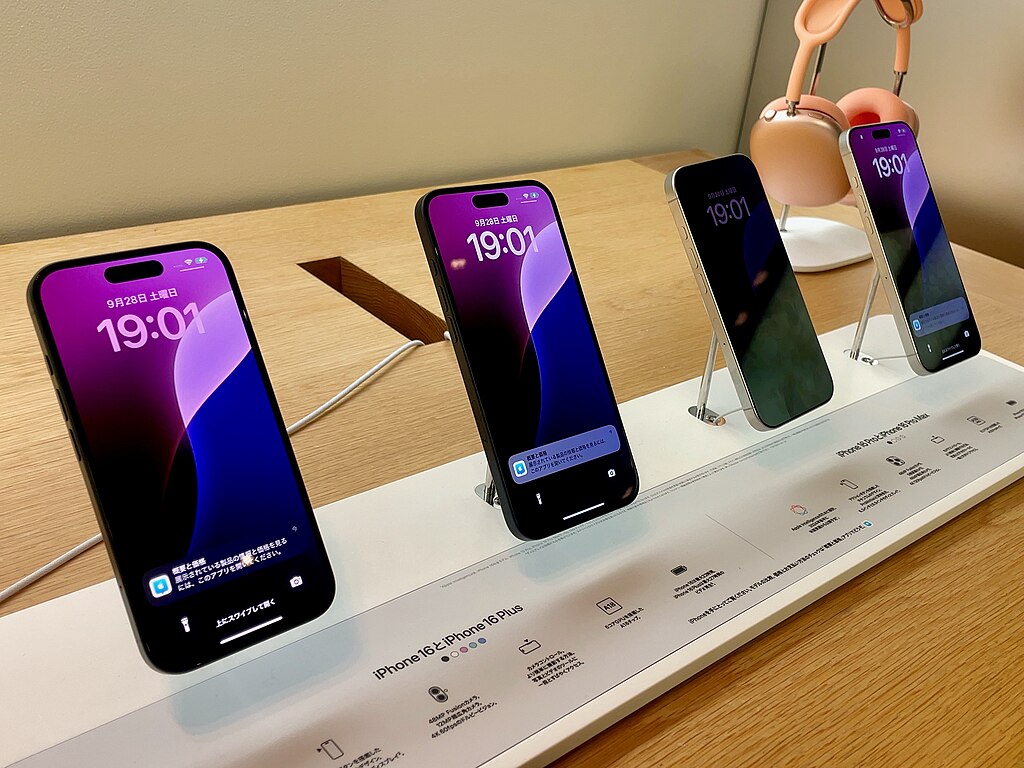
U.S. President Donald Trump confirmed Sunday that recent exclusions of smartphones and computers from his steep reciprocal tariffs on China will be short-lived. In a social media post, Trump said those products are being reassigned to a different “tariff bucket” as the administration launches a national security investigation into semiconductors and the broader electronics supply chain.
Commerce Secretary Howard Lutnick clarified that while these electronics are temporarily excluded, they will be subject to new targeted duties within two months. The new tariffs will focus on semiconductors, pharmaceuticals, and critical technology imports from China, separate from the reciprocal tariffs that hit 125% last week. Tech giants like Apple and Dell, who depend on Chinese imports, had seen Friday’s exclusions as a relief—though now short-lived.
Lutnick emphasized the goal of bringing electronics manufacturing back to the U.S. for national security. Trump’s shifting tariff strategy sparked significant volatility on Wall Street, with the S&P 500 now down over 10% since he took office.
China, in response, raised tariffs on U.S. imports to 125% and is evaluating the impact of Friday’s exclusions. Critics including Senator Elizabeth Warren and market strategist Sven Henrich slammed the administration’s inconsistent messaging. Billionaire Bill Ackman urged Trump to pause tariffs for 90 days to avoid supply chain disruption.
U.S. Customs published a list of exempted electronics, including semiconductors and flat-panel displays. Despite ongoing tensions, U.S. officials expressed hope for trade deals with non-Chinese partners, while hedge fund manager Ray Dalio warned that mishandling the situation could lead to a recession or worse.
The back-and-forth signals heightened uncertainty for global markets and U.S.-China trade relations as the administration moves to reframe tech imports as national security issues.







