


 South Korea, US Discuss Warship Building Cooperation
  NATO Boosts Intelligence Sharing Amid Russia Hybrid Threats
  US Officials Split Over Response to Israeli West Bank Settlements
  Mexico-US Trade Talks Delayed to October as Tariff Negotiations Continue
  US Senate Rejects Iran War Powers Resolution in 50-49 Vote
  North Korea Rejects Nuclear Test Warning, Calls Nuclear Status Irreversible
  Ghana Says Western Support Growing for Slave Trade Reparations
  Gaza Faces Evacuation Crisis as War-Damaged Buildings Risk Collapse
  France Defends Netanyahu Airspace Clearance Despite ICC Warrant
  Pezeshkian Says US Must Choose When Iran War Ends
  Netanyahu’s Brief US Trip Highlights Strains With Trump
  Russian Missile and Drone Attack on Kyiv Kills Two, Damages Maternity Hospital
  Abbas Reaffirms November 28 Palestinian Elections
  US Invites Putin to Miami G20, Opening Door to Trump Summit
  Sudan Rejects US Legitimacy Remarks, Defends Sovereignty
  EU Defence Build-Up Too Slow for 2030 Russia Readiness Goal
  Taiwan Thanks US for Support Ahead of Trump-Xi Summit


 Add as a preferred source on Google
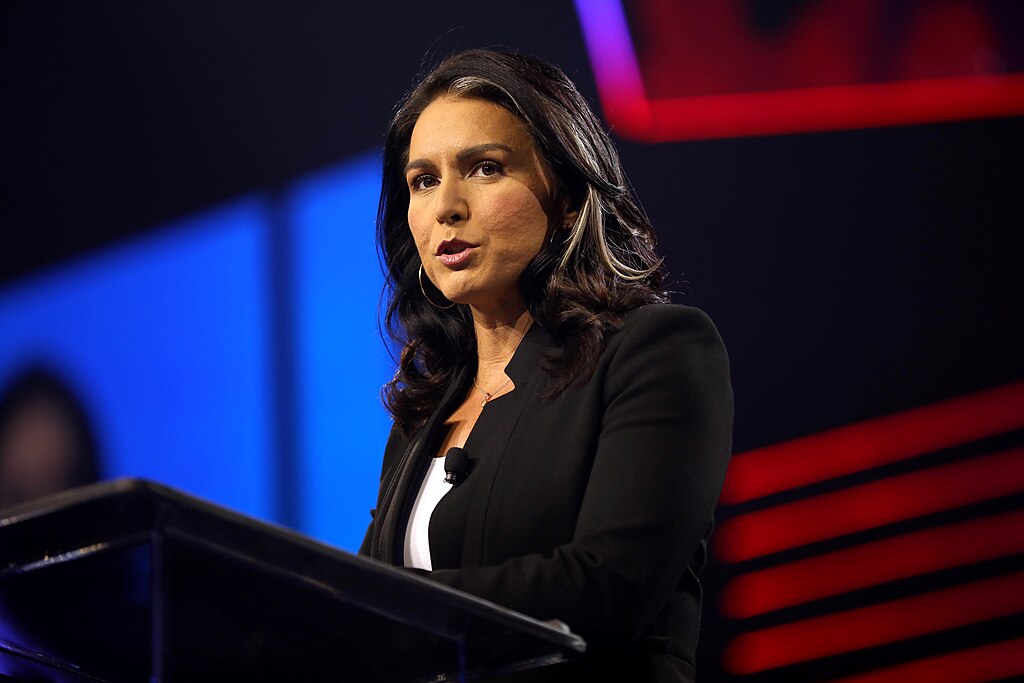
President Donald Trump publicly acknowledged a rare internal disagreement within his administration on Sunday, suggesting that Director of National Intelligence Tulsi Gabbard holds a softer stance on Iran's nuclear program than he does. The comments, made aboard Air Force One as Trump returned from Mar-a-Lago, came amid ongoing U.S.-Israeli military operations against Tehran now entering their second month.
When pressed by reporters about his confidence in Gabbard, Trump confirmed he still supported her role, but noted a clear difference in thinking. He emphasized his firm opposition to Iran acquiring nuclear weapons, warning that Tehran would deploy them immediately if obtained, while characterizing Gabbard's position as comparatively lenient. Despite the contrast, Trump indicated the divergence was not disqualifying.
The admission is notable given that Trump rarely acknowledges internal debate over the joint campaign against Iran. Vice President JD Vance has also signaled a more cautious approach to the conflict, and several senior Republicans have quietly raised concerns over its economic and political implications at home.
Adding to the complexity, the administration has sent mixed signals about the actual state of Iran's nuclear capabilities. Prior to the military campaign, certain officials claimed Iran was within weeks of producing a nuclear weapon, while others — including Trump himself — argued that previous U.S.-Israeli strikes had already dismantled the program. Iran has consistently maintained that its nuclear ambitions are strictly peaceful.
Gabbard recently told Congress that the U.S. intelligence community had strong confidence regarding the location of Iran's highly enriched uranium stockpile, though she stopped short of confirming whether the U.S. possessed the means to eliminate it. Shortly after, Joe Kent, a Gabbard ally who led the National Counterterrorism Center, resigned in protest of the war, asserting that Iran posed no direct threat to American security.







