


 U.S. 10-Year Treasury Yield Hits 2007 High as Fed Rate Hike Bets Rise
  US 10-Year Treasury Yield at 6% Emerges as New Market Risk Threshold
  Mexico-US Trade Talks Delayed to October as Tariff Negotiations Continue
  Oil Prices Ease as Iran Tensions Clash With Diplomacy Hopes
  Australia Unemployment Hits Five-Year High Despite Strong Jobs Growth
  European Stocks Fall as Bond Yields and Geopolitical Risks Weigh
  Soybean Futures Slip as Traders Await Trump-Xi Trade Signals
  Wall Street Falls as Treasury Yields Surge, Oil Rebounds on Iran Tensions
  Trump, Xi Focus on Trade and AI at White House Summit
  Fed Unveils Stablecoin Rules Under GENIUS Act
  Asian Stocks Fall as Bond Yields Surge Ahead of Trump-Xi Summit
  Japanese Bank Stocks Surge as Bond Yields Fuel Rate Hike Bets
  Japan Private-Sector Growth Slows as Domestic Demand Weakens
  Gold Prices Fall as Treasury Yields Rise on Fed Rate Hike Bets
  China’s ‘Lipstick King’ Says AI Won’t Replace Livestream Hosts
  Oil Prices Jump 3% as Houthi Attack Revives Supply Fears
  South Korea, US Discuss Warship Building Cooperation


 Add as a preferred source on Google
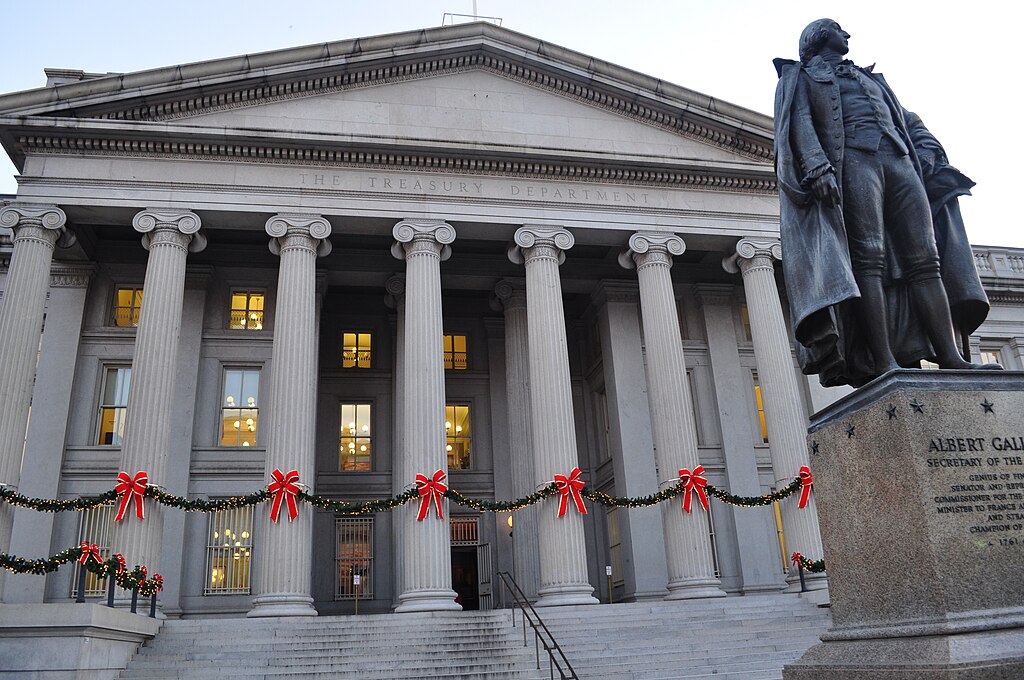
The U.S. Treasury Department is preparing to hold a series of meetings with domestic and international insurance regulators in the coming weeks, focusing on growing concerns within the $2 trillion private credit market. According to sources familiar with the matter, Treasury Secretary Scott Bessent has been planning since January to launch regular consultations with insurance regulators starting in the second quarter of this year, with the first meeting potentially announced as early as this week.
The discussions come as liquidity concerns, transparency gaps, and lending discipline issues have unsettled investor confidence in the non-bank lending sector. While the Treasury holds no direct regulatory authority over the insurance industry, Bessent aims to position the department as a central convening force and resource for all 50 U.S. state insurance regulators. Key topics on the agenda include fund-level leverage, private credit ratings consistency, offshore reinsurance practices, and investment liquidity within private credit markets. Any policy recommendations are expected to follow only after multiple rounds of consultation.
Bessent, a former hedge fund manager, has publicly expressed concern about how private credit assets flow into regulated financial institutions such as pension funds, banks, and captive insurance companies. Speaking at the Economic Club of Dallas in February, he acknowledged that private credit lending played a valuable role in filling financing gaps after the 2008 financial crisis and during the COVID-19 pandemic. However, he stressed the importance of ensuring lenders have maintained sound and prudent loan portfolios.
The Treasury is also focused on protecting everyday Americans, emphasizing that individual retirement and investment accounts — including pensions and 401(k)s — should not become vehicles for offloading poor-quality assets. Bessent made clear the administration intends to prevent any financial contagion from spreading into the broader regulated economy through unchecked private credit exposure.







