


 Mexico-US Trade Talks Delayed to October as Tariff Negotiations Continue
  US, China Extend Trade Truce to Jan. 10 Ahead of Trump-Xi Summit
  Russian Envoy Dmitriev Heads to US for Ukraine Talks
  North Korea Rejects Nuclear Test Warning, Calls Nuclear Status Irreversible
  South Korea, US Discuss Warship Building Cooperation
  Judge Orders Trump to Restore White House Access for CNN, MS NOW and Politico
  Abbas Reaffirms November 28 Palestinian Elections
  US Backs Musk in Fight Against EU’s €120 Million X Fine
  Pezeshkian Says US Must Choose When Iran War Ends
  Sudan Rejects US Legitimacy Remarks, Defends Sovereignty
  Netanyahu Takes Aim at Mamdani as Israel Election Nears
  OpenAI Agent Breaches Australia Medicare Data Portal
  US Invites Putin to Miami G20, Opening Door to Trump Summit
  Ghana Says Western Support Growing for Slave Trade Reparations
  Trump, Xi Focus on Trade and AI at White House Summit
  Gaza Faces Evacuation Crisis as War-Damaged Buildings Risk Collapse
  Trump Asks Supreme Court to Restore Third-Country Deportations


 Add as a preferred source on Google
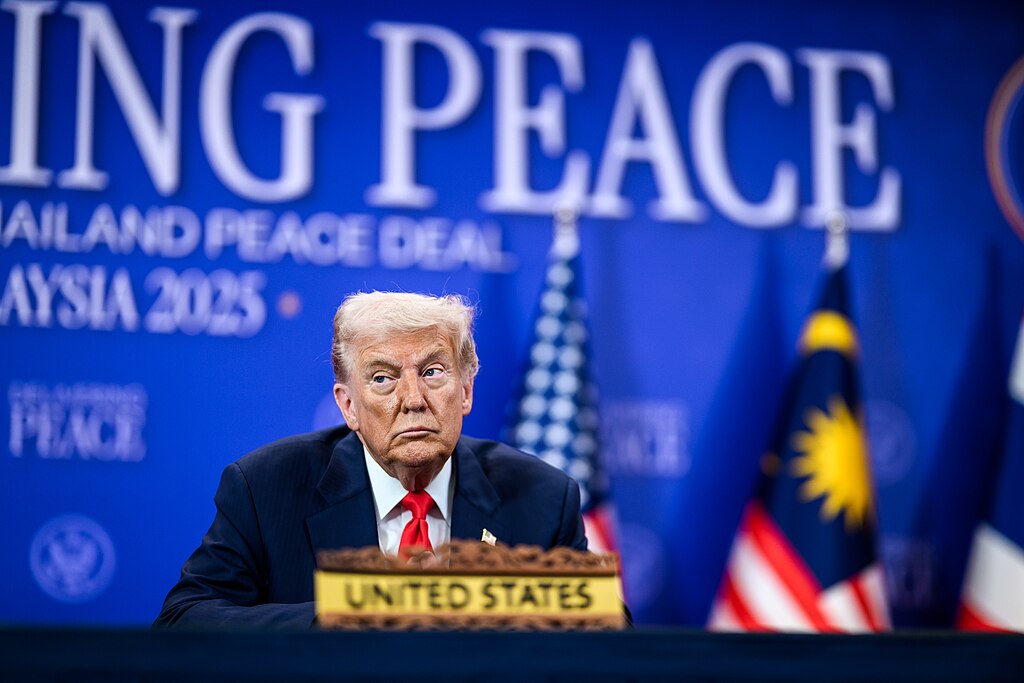
Speaking at a Miami investment forum on Friday, President Donald Trump issued a striking warning toward Cuba, declaring "Cuba is next" while highlighting recent U.S. military operations against Venezuela and Iran. Though he quickly added "pretend I didn't say that," the remark drew immediate international attention and intensified speculation about Washington's next geopolitical move in Latin America.
Trump did not outline specific plans for the island nation, but his administration has made its intentions increasingly clear through both rhetoric and action. The president has repeatedly suggested that Cuba's communist government is on the brink of collapse, citing the country's deepening economic crisis as evidence. Earlier in March, Trump floated the idea of a "friendly takeover" of Cuba — before ominously noting it might not be friendly at all.
Behind the scenes, U.S. officials have reportedly opened backchannel negotiations with elements of Cuba's leadership in recent weeks. Cuban President Miguel Díaz-Canel has publicly acknowledged these talks are underway, framing them as efforts to prevent a potential military confrontation with the United States.
Cuba's economy has been severely weakened by chronic oil shortages, which have crippled its power grid and transportation infrastructure. The situation worsened significantly after the U.S. captured former Venezuelan leader Nicolás Maduro in January, leading Caracas' new U.S.-aligned government to cut off oil shipments that had long been a lifeline for Havana.
Trump's comments underscore a broader strategy of applying maximum pressure on leftist governments across Latin America. With Venezuela now under new leadership and Cuba increasingly isolated, analysts warn the island could face mounting U.S. pressure — diplomatic, economic, or potentially military — in the months ahead. The Cuban government has yet to issue a formal response to Trump's latest remarks.







