


 US Judge Dismisses Imran Ahmed Deportation Lawsuit
  FAA Allows Boeing to Sell 35 More 777F Freighters Beyond 2028
  Saudi Arabia Shuts East-West Oil Pipeline After Drone Attack
  Australia Plans New Rules Giving Users Control Over Social Media Feeds
  Trump-Xi Summit Puts Trade Truce and Taiwan in Focus
  Who should own the knowledge that underpins AI technology?
  Paramount-Warner Bros $110 Billion Deal Draws Antitrust Backlash
  Nvidia-Groq AI Chip Deal Faces U.S. Antitrust Probe
  AfD Wins German State Election as Merz’s CDU Hits Historic Low
  US Bans Canadian Alcohol, Motorcycles as Trade War Escalates
  US-China Talks Target AI, Tariffs Ahead of Trump-Xi Summit
  Michelle Bachelet Withdraws From UN Secretary-General Race
  Russian Drone Attacks Kill Four in Kyiv Region, Including Three Children
  FDA Names Permanent Drug and Biologics Center Chiefs
  ICE Officer Shoots Man in Austin, Sparking Calls for Independent Probe
  Canada Unveils Bill to Fast-Track Major Resource Projects
  Trump Bans CNN, MS NOW and Politico From White House


 Add as a preferred source on Google
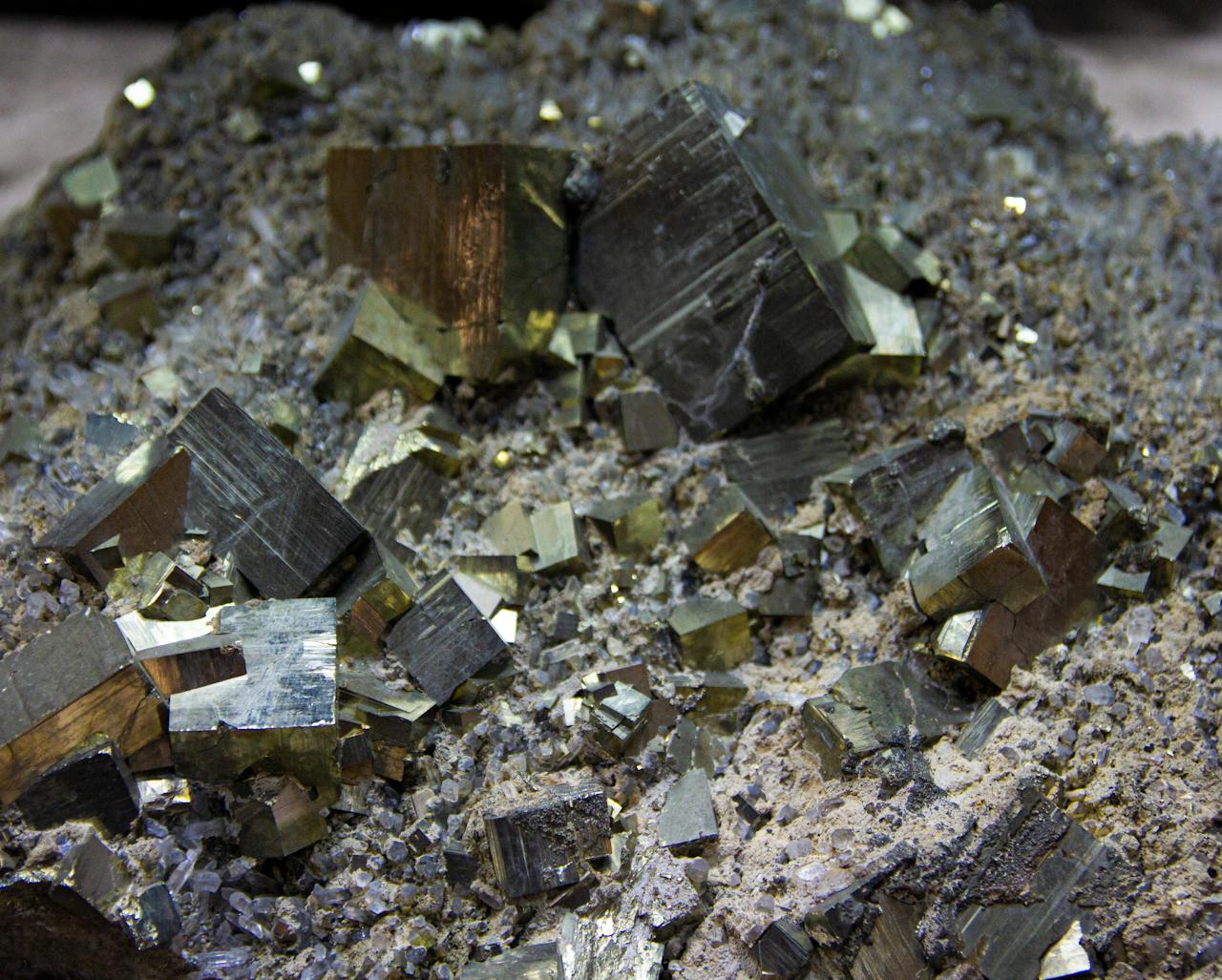
The United States government has taken a significant step toward revitalizing economic ties with Venezuela by issuing new general licenses related to the country's critical minerals sector. The U.S. Treasury Department announced the move on Friday, signaling a broader effort to reorient foreign investment in ways that benefit both American and Venezuelan interests.
The newly issued licenses cover two key areas of activity. The first authorizes the supply of specific goods and services needed to support mineral operations within Venezuela. The second permits companies to negotiate and enter into contingent contracts tied to investments in Venezuela's growing minerals sector. Together, these licenses open the door for U.S.-linked businesses to participate more actively in one of South America's most resource-rich economies.
In an official statement shared on X, the Treasury Department framed the decision as part of a larger strategy aimed at bringing the Venezuelan economy back online. Officials emphasized that the goal is to channel investment in a direction that creates tangible benefits for people on both sides of the relationship — fostering economic recovery in Venezuela while expanding opportunities for American stakeholders in the global critical minerals market.
The timing of this announcement is particularly noteworthy given the intensifying global race to secure critical mineral supply chains. Nations worldwide are competing for access to raw materials essential for clean energy technologies, electronics, and national defense infrastructure. Venezuela, which sits on vast reserves of minerals including gold, coltan, and bauxite, represents a potentially significant player in meeting that demand.
This latest licensing action reflects a careful but deliberate shift in U.S. economic policy toward Venezuela, prioritizing strategic resource access and economic engagement over prolonged isolation. As negotiations and investments begin to take shape under the new framework, the global mining and energy industries will be watching closely.







